Home Blog Page 3

Why the Water in Your Home Deserves More Attention Than You Think

0

There’s something oddly comforting about turning on the tap and trusting what comes out. We rinse vegetables, brew coffee, fill the dog’s bowl, and hop into the shower without giving it much thought. Water is just… there. But the quality of that water? That’s a different story.

I didn’t start paying attention to my home’s water until I noticed chalky residue around the faucets and a strange dryness in my skin that no lotion seemed to fix. It wasn’t dramatic. Just subtle clues that something wasn’t quite right. And once you see those signs, you can’t unsee them.

That’s when the rabbit hole begins.

The Quiet Problems Lurking in Your Pipes

Hard water is incredibly common. It’s not dangerous in most cases, but it can be annoying. Minerals like calcium and magnesium build up inside pipes and appliances. Over time, that buildup can shorten the lifespan of your dishwasher, washing machine, or even your water heater. Repairs creep up quietly. Utility bills inch higher.

And then there’s taste. If you’ve ever traveled somewhere and noticed the water tasted better — or worse — you know what I mean. Chlorine, sediment, and other impurities can subtly alter flavor. Coffee doesn’t taste the same. Tea feels flat. Even ice cubes seem off.

This is where thoughtful water treatment solutions come into play. Not in a flashy, over-promised way. Just practical systems designed to address specific issues in your home. Whether it’s hardness, sediment, iron, or chlorine, the right setup can make everyday life feel… smoother. Literally.

When Hard Water Stops Being “Normal”

A lot of people grow up thinking hard water is just part of life. Soap doesn’t lather much? That’s normal. White spots on dishes? Normal. Itchy skin after showers? Must be winter.

But when you install proper water softeners, the difference is surprisingly noticeable. Soap actually foams. Towels feel fluffier. Your hair doesn’t feel like it’s coated in invisible residue. It’s subtle at first, then impossible to ignore.

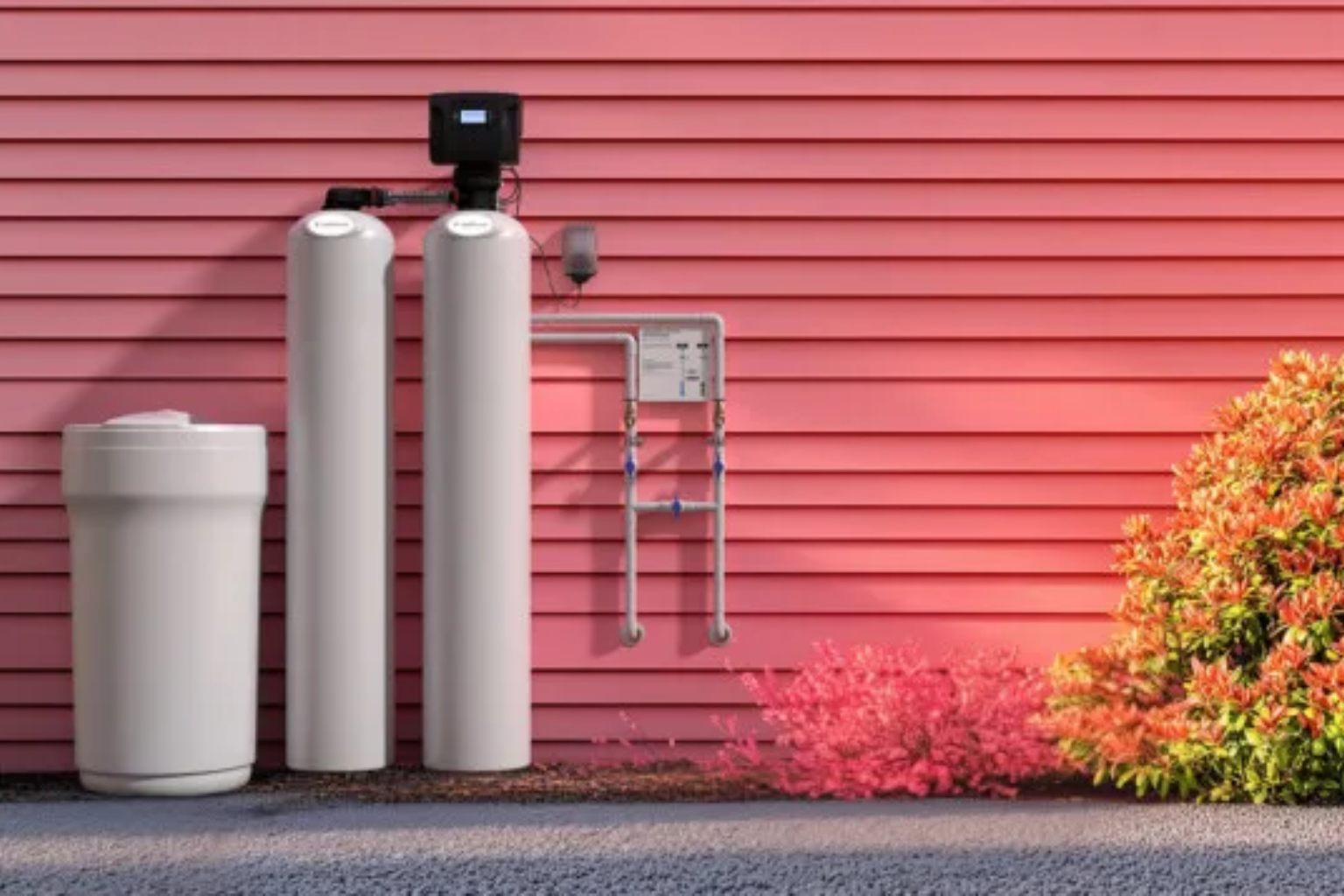
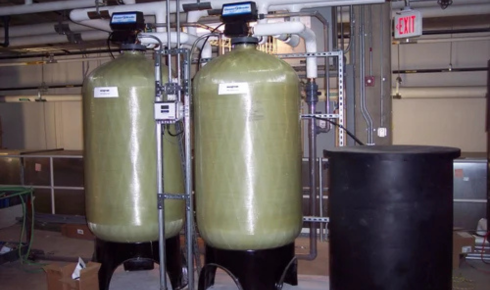
Water softeners work by removing the calcium and magnesium ions responsible for hardness. They replace them with sodium or potassium ions through a process called ion exchange. Sounds technical — and it is — but the end result is simple: water that behaves the way you expect it to.

And here’s the practical bonus: appliances last longer. Heating elements don’t have to fight through mineral scale. Plumbing flows more freely. It’s one of those upgrades you don’t show off to guests, yet you quietly appreciate every single day.

Beyond Softening: Thinking About the Whole House

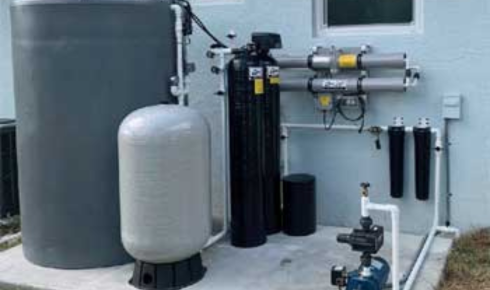
Soft water is one piece of the puzzle. But what about contaminants like chlorine, sediment, or even trace heavy metals? That’s where whole house water filtration systems step in.

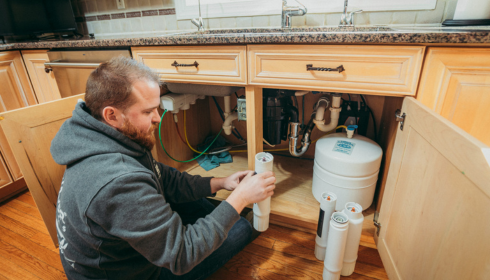
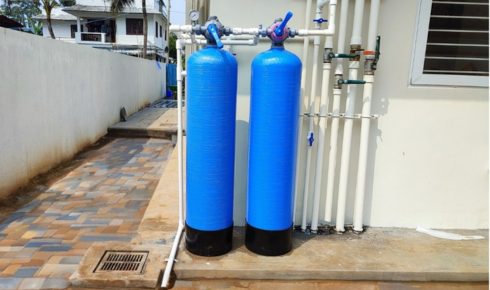
Unlike under-sink filters that only treat drinking water at one faucet, whole-house systems filter water as it enters your home. Every tap. Every shower. Every load of laundry.

There’s something reassuring about knowing the water touching your skin is filtered just as carefully as the water you drink. Chlorine odors fade. Sediment gets trapped before it settles into fixtures. Even the air feels fresher when shower steam isn’t carrying chemical smells.

These systems can be customized depending on your local water supply. Municipal water has different challenges than private wells. A good professional won’t push a one-size-fits-all setup. They’ll test your water and recommend components based on actual results, not assumptions.

The Cost Question (Because It Always Comes Up)

Let’s be honest. When people hear about treatment systems, they immediately think: expensive.

And yes, there’s an upfront investment. But it helps to look at the bigger picture. Consider the cost of replacing a prematurely worn-out water heater. Or repairing scale-damaged plumbing. Or constantly buying bottled water because the tap tastes odd.

There’s also the comfort factor. It’s hard to quantify the value of better showers or softer laundry. But those small daily experiences add up. They affect how your home feels.

Sometimes it’s not about luxury. It’s about removing low-level irritation from your routine. That faint chlorine smell. The stiff clothes. The dry, tight feeling on your skin. Fixing those things isn’t flashy — but it is meaningful.

Choosing What Actually Fits Your Home

One mistake people make is installing systems based purely on what a neighbor has. Water conditions vary dramatically, even within the same city. Testing is key. A professional water analysis will identify hardness levels, pH balance, iron content, and more.

From there, you can decide whether you need softening, filtration, or a combination. In some cases, a simple carbon filter is enough. In others, layered systems make more sense.

Maintenance matters too. Filters need replacement. Salt levels in softeners need monitoring. The best system is the one you’ll realistically maintain.

And if you’re worried about space — don’t be. Modern systems are far more compact than the bulky tanks people imagine from decades ago.

Why It’s Worth Paying Attention

Water isn’t glamorous. It’s not something we typically discuss at dinner parties. Yet it touches almost every aspect of home life.

Clean, balanced water protects your plumbing. It improves how food and drinks taste. It supports healthier skin and hair. It reduces the wear-and-tear on expensive appliances.

More than anything, it gives you peace of mind. And that’s not a small thing.

We spend so much time focusing on visible upgrades — paint colors, countertops, lighting fixtures — that we overlook the invisible systems working behind the walls. But sometimes, the most impactful improvements are the ones no one sees.

If your water has been quietly bothering you — even in small ways — it might be time to look closer. Not because it’s trendy. Not because someone told you to. But because your home deserves water that works with you, not against you.

And once you experience that difference, you’ll wonder why you didn’t do it sooner.

When Water Goes Wrong: Why Good Plumbing Support Matters More Than We Notice

0

Most of us rarely think about plumbing until something suddenly refuses to cooperate. It’s usually a small moment at first — a sink draining slower than usual, a faint dripping sound late at night, or water pressure that feels slightly off. Easy to ignore, easy to postpone.

But plumbing systems have a way of turning small inconveniences into big disruptions if left alone too long. One minor leak can quietly damage walls, flooring, and even structural materials over time. What starts as an annoyance can quickly become an expensive repair.

And that’s when people realize something important: plumbing isn’t just about pipes. It’s about protecting the comfort, safety, and functionality of the spaces we live and work in every day.


The Invisible System That Keeps Everything Running

Think about how often you rely on water throughout a typical day. From morning showers to washing dishes, from doing laundry to staying hydrated — plumbing supports nearly every daily routine.

Yet because it works behind walls and under floors, it rarely gets attention. That invisibility is both its strength and its risk. Problems can develop quietly without obvious warning signs.

Leaks, corrosion, blockages, and pressure issues often begin subtly. By the time they become visible, they’ve already caused damage beneath the surface.

That’s why working with trusted plumbing professionals can make such a difference. Experienced technicians don’t just fix visible issues — they identify underlying causes and prevent future problems before they escalate.


Why Plumbing Issues Rarely Fix Themselves

It’s tempting to believe that minor plumbing issues might resolve on their own. A dripping faucet might seem harmless. A slow drain might feel manageable.

But plumbing systems are interconnected. A small blockage can increase pressure elsewhere in the system. A tiny leak can gradually weaken surrounding materials.

Water, after all, is persistent. It doesn’t need a large opening to cause damage — it only needs time.

Addressing issues early helps avoid costly repairs later. Preventive inspections can detect hidden leaks, worn pipes, and pressure imbalances before they become serious.

In many cases, proactive care costs far less than reactive repairs.


The Unique Needs of Home Plumbing

Plumbing in residential settings faces its own challenges. Daily use, aging infrastructure, and changing household demands all influence system performance.

Families rely on consistent water pressure, efficient drainage, and reliable hot water systems. Even small disruptions can affect comfort significantly.

Professional residential plumbing services focus on maintaining these essential systems. Technicians handle everything from leak detection and pipe replacement to water heater maintenance and fixture installation.

More importantly, they help homeowners understand how to protect their plumbing systems through simple preventive practices.

Education plays a big role in long-term reliability.


Plumbing Challenges in Business Environments

Commercial spaces face different plumbing demands compared to homes. Higher usage levels, larger infrastructure, and stricter safety requirements create more complex systems.

Restaurants, offices, hotels, and industrial facilities depend heavily on uninterrupted plumbing operations. Any failure can disrupt workflows, impact customers, and lead to financial losses.

This is where specialized commercial plumbing expertise becomes essential. Technicians trained in commercial systems understand large-scale piping networks, high-capacity drainage systems, and regulatory compliance requirements.

They focus not only on repairs but also on ensuring systems can handle ongoing operational demands.


The Financial Impact of Ignoring Plumbing Problems

One of the biggest misconceptions about plumbing is underestimating the cost of small issues.

A minor leak may seem insignificant, but over time it can lead to:

  • Structural damage to walls and floors
  • Mold growth and health risks
  • Increased water bills
  • Equipment corrosion

These consequences often cost far more than addressing the initial problem early.

Preventive maintenance, regular inspections, and timely repairs help minimize these risks and protect long-term investments.


The Emotional Side of Reliable Plumbing

It might sound unusual, but plumbing reliability affects emotional well-being more than most people realize.

Imagine waking up to a flooded bathroom floor. Or dealing with a clogged kitchen sink during a busy evening. These situations create immediate stress and disrupt daily routines.

Reliable plumbing systems provide something deeper than functionality — they offer peace of mind.

Knowing that water systems will work as expected allows people to focus on their lives without worrying about unexpected disruptions.


The Importance of Professional Expertise

Modern plumbing systems combine traditional infrastructure with advanced technology. Smart water heaters, pressure regulators, and leak detection sensors require specialized knowledge to install and maintain properly.

Professional plumbers bring both technical expertise and practical experience. They understand how different components interact and how environmental factors influence system performance.

More importantly, they provide clear communication. Instead of confusion or guesswork, homeowners and business operators receive clear explanations and practical solutions.

This clarity helps build trust and confidence in long-term system reliability.


A Final Thought: Prevention Is Always Better Than Emergency

Plumbing emergencies rarely happen without warning. Most begin as small, manageable issues that gradually develop into larger problems.

Listening to early signs, scheduling regular inspections, and working with experienced professionals helps prevent stressful situations.

Auxx Lift: Smart Overhead Storage That Maximizes Garage Space

0

Garages often become the most cluttered areas in a home. From storage bins and tools to sports gear and seasonal decorations, it doesn’t take long before floor space disappears. Modern homeowners are now turning to advanced ceiling storage systems like Auxx Lift to reclaim their space. Designed for strength, safety, and convenience, this motorized lift solution transforms unused ceiling space into functional storage.

What Is Auxx Lift?

Auxx Lift specializes in heavy-duty motorized overhead storage platforms. These systems are securely mounted to garage ceilings and allow users to raise and lower a large storage rack using a switch or remote control. Instead of manually lifting heavy containers or climbing unstable ladders, homeowners can bring the platform down to a safe height, load items, and lift them back up with ease.

The main advantage of Auxx Lift systems is their ability to utilize vertical space. Most garages have high ceilings that remain underused. Installing a motorized lift converts this empty area into valuable storage while keeping the floor open and organized.

Understanding Aux Lift and Auxx-Lift

You may encounter different variations of the name online, including aux lift and auxx-lift. These terms typically refer to the same type of ceiling-mounted motorized storage system. The variations mainly depend on search trends and branding styles, but the product concept remains consistent.

An aux lift system generally includes:

  • A sturdy steel storage platform
  • Durable lifting cables
  • A reliable electric motor
  • Wall-mounted or remote operation controls

These components work together to provide smooth, balanced lifting for stored items.

Why Choose Auxx Garage Storage Solutions?

Auxx focuses on delivering durable and efficient storage technology. Here are some key benefits of choosing an Auxx system:

1. Maximizes Ceiling Space

Overhead lifts make full use of unused vertical space, freeing up valuable floor area for vehicles or workstations.

2. Improves Safety

Manual lifting can lead to back strain or accidents. Motorized lifts reduce physical effort and eliminate the need for ladders.

3. High Weight Capacity

Auxx systems are engineered to handle substantial loads, making them ideal for heavy bins, equipment, or seasonal items.

4. Clean and Organized Appearance

Ceiling-mounted platforms keep items neatly stored above, creating a more spacious and tidy garage.

Features That Make Auxxlift Stand Out

Auxxlift storage systems are designed for long-term performance and reliability. Many models offer:

  • Heavy-duty steel construction
  • Reinforced support cables
  • Smooth and controlled lifting motion
  • Adjustable height settings
  • Secure mounting hardware

These features ensure stable operation and balanced lifting. The robust build quality also provides confidence when storing heavier items overhead.

Installation and Maintenance

Installation involves mounting the lift securely into ceiling joists to ensure proper support. While some homeowners prefer a DIY approach, professional installation is often recommended for optimal safety and alignment.

Maintenance requirements are minimal. Regular inspections of cables, hardware, and motor components help maintain smooth operation. Following the manufacturer’s weight guidelines ensures long-lasting performance.

Who Benefits Most from Auxx Lift Systems?

Auxx Lift solutions are ideal for:

  • Families storing seasonal decorations
  • Outdoor enthusiasts with bulky gear
  • Homeowners with limited garage floor space
  • DIY hobbyists creating workshop areas
  • Anyone seeking a clutter-free environment

By lifting items overhead, you can dramatically increase usable space without remodeling your garage.

Comparing Aux Lift to Traditional Storage

Traditional shelving systems can be limiting and physically demanding. In contrast, aux lift systems provide motorized convenience and greater load support. Instead of reaching high shelves or balancing heavy boxes, you simply lower the platform to ground level for easy access.

Ceiling storage also improves the overall look of your garage. With items neatly organized above, the floor remains clear and functional.

Final Thoughts

As modern storage solutions continue to evolve, Auxx Lift remains a popular choice for homeowners seeking efficiency and organization. Whether you search for aux lift, auxx-lift, or Auxxlift, the benefits remain consistent — improved safety, maximum space utilization, and long-term durability.

Investing in a quality overhead lift system is a smart way to upgrade your garage. With reliable construction and user-friendly operation, Auxx storage solutions help transform cluttered spaces into clean, organized environments that are easier to manage every day.

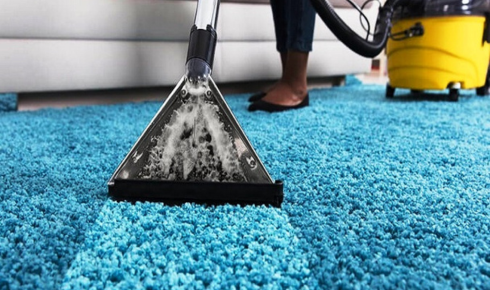
Professionalcarpetcleaning.ie is in fact the awarded cleaning company Happy Clean

0

In the professional carpet cleaning industry, trust is not built through slogans or glossy websites. It is earned slowly—job by job, inspection by inspection, and often behind the scenes where clients never see the real work taking place. This is especially true in carpet cleaning, a sector where technical skill, chemical knowledge, and procedural discipline matter far more than most people realise.

Why Carpet Cleaning Is a Technical Trade in Dublin, Not a Commodity

To the untrained eye, carpet cleaning appears straightforward—apply solution, agitate, extract, dry. In practice, each step requires decisions that affect hygiene outcomes, fibre longevity, indoor air quality, and even warranty compliance.

Professional operators must account for:

●        Carpet fibre type (wool, nylon, polypropylene, blended)

●        Pile construction and backing materials

●        Soil composition (organic, particulate, oil-based)

●        Moisture tolerance and drying thresholds

●        Occupancy schedules and post-cleaning foot traffic

A misjudgment in any of these areas can lead to shrinkage, rapid resoiling, odour retention, or microbial growth. This is why experienced providers rely on documented procedures rather than one-size-fits-all approaches.

Industry awards in this field are rarely based on volume alone. They typically reflect process consistency, compliance with best-practice standards, and the ability to deliver repeatable results across varied environments—residential, hospitality, retail, and commercial interiors.

The Role of Accreditation and Industry Recognition for Carpet Cleaning

Awards and third-party recognition matter in professional cleaning because they act as external validation in an industry where outcomes are not always immediately visible. Clean carpets may look similar on day one, but the difference becomes apparent weeks later.

Awarded providers are usually assessed on criteria such as:

●        Training and certification of technicians

●        Safe chemical handling and environmental controls

●        Equipment standards and maintenance protocols

●        Customer satisfaction benchmarks

●        Complaint resolution and service transparency

These criteria align closely with what commercial property managers and facility operators care about most: reliability, accountability, and risk reduction.

It is within this context that Professionalcarpetcleaning.ie operates—not as a marketing shortcut, but as a service extension of an awarded cleaning business in Dublin, named Happy Clean, with established operational systems.

Why Carpet Cleaning Service Identity Matters More Than Branding

In recent years, many service companies have adopted multiple domain names to clarify specific offerings. This is common in technical trades where clients search by service type rather than company name.

What matters from an EEAT (Experience, Expertise, Authoritativeness, Trustworthiness) perspective is not whether a service has its own domain, but whether:

●        The service is delivered by a legitimate, experienced operator

●        There is accountability behind the work

●        The company’s credentials are verifiable beyond the website itself

Professionalcarpetcleaning.ie exists to clearly define a specialist service—professional carpet cleaning—while remaining fully accountable to the standards, awards, and operational oversight of its parent company, Happy Clean Dublin.

This structure is increasingly common among reputable service providers, particularly those serving both residential clients and commercial contracts with stricter compliance requirements.

What Awarded Carpet Cleaning Companies Do Differently

From an operational standpoint, awarded carpet cleaning companies tend to diverge from average providers in several key ways.

1. Process Before Equipment

While modern extraction machines and low-moisture systems are important, experienced operators prioritise process design over hardware alone. This includes pre-inspection documentation, fibre testing, and soil analysis before any equipment is deployed.

2. Controlled Chemical Selection

Award-level providers rarely rely on aggressive detergents. Instead, they tailor chemical choice to soil type and carpet construction, balancing cleaning power with fibre preservation and indoor air quality.

3. Drying and Post-Care Discipline

Rapid extraction and controlled drying are not just conveniences; they are risk-management tools. Extended moisture retention is one of the leading causes of odour complaints and microbial issues in carpeted environments.

4. Transparent Client Education

Rather than overselling results, experienced providers explain limitations, realistic outcomes, and maintenance intervals. This transparency reduces disputes and builds long-term trust.

These practices are rarely visible in marketing copy, but they are precisely what industry assessors and award panels evaluate.

Why Professional Recognition Benefits Clients Directly

From a client’s perspective—especially in commercial settings—working with an awarded cleaning provider reduces uncertainty. It signals that the company has already passed scrutiny beyond self-promotion.

This is particularly relevant for:

●        Property managers responsible for hygiene compliance

●        Hospitality venues where guest experience is affected by odours and appearance

●        Offices seeking to improve indoor air quality

●        Homeowners with high-value or natural fibre carpets

In these contexts, professional recognition is less about prestige and more about predictability.

Experience Is Reflected in Outcomes, Not Claims

One of the defining characteristics of experienced carpet cleaning companies is restraint. They do not promise permanent stain removal, instant restoration, or “like new” results in every case. Instead, they focus on measurable improvements and long-term carpet performance.

This approach aligns closely with modern EEAT expectations, where exaggerated claims undermine trust rather than enhance it.

Professionalcarpetcleaning.ie reflects this philosophy by positioning carpet cleaning as a skilled service grounded in method, not hype.

Why Clarity Builds Trust in a Crowded Market

Consumers are increasingly cautious about service providers operating under generic or disconnected branding. Clear disclosure about who performs the work, who carries responsibility, and what standards apply is now an expectation—not a bonus.

By openly aligning Professionalcarpetcleaning.ie with an awarded cleaning company, the service avoids the ambiguity that often characterizes low-quality operators. This clarity benefits clients, editors, and search engines alike.

Final Thoughts: Recognition Follows Consistency

Awards in the cleaning industry are not accidents. They are usually the result of years of consistent execution, staff training, and process refinement. While branding may evolve and service-specific platforms may emerge, the underlying expertise remains the same.

Understanding that Professionalcarpetcleaning.ie is operated by an awarded cleaning company provides essential context—one that explains not just who delivers the service, but why standards are maintained at a professional level.

Why Choosing the Right Water Treatment Partner Feels Like Finding a Local Hero

0

There’s something oddly personal about water. We don’t really think about it much—until something goes wrong. The taste changes. There’s a strange film on the shower tile. The kettle’s coated in limescale. That’s when you start googling, maybe a little panicked, maybe a bit confused: Do I need a filter? A softener? Is something in my water? And most importantly: Who can I trust to fix it?

That’s the thing about water—it’s not just a utility. It’s your coffee, your shower, your baby’s formula. It flows through your life. So the people who help you fix it? They need to be more than just technicians. They’ve got to be part scientist, part neighbor, part wizard.


The Big Problem Most Folks Don’t See Coming

Here’s what most people don’t realize: even if your water looks fine, that doesn’t mean it’s healthy, safe, or ideal for your home. Municipal systems do their best, but aging pipes, regional minerals, and old plumbing can turn a seemingly clean glass into a quiet saboteur of your appliances, pipes, and even your skin.

That’s where a good water treatment company steps in—not just selling you a filter and bouncing, but actually diagnosing your water like a doctor would a patient. The best ones ask questions. They test. They listen. And they tailor solutions to your needs, your house, and your local water profile.


Water Treatment: Not One Size Fits All (Not Even Close)

Let me give you a quick example. Jane from Denver installs a carbon filter because her neighbor swears by it. But her house has old galvanized pipes, and the chlorine levels in her water are higher. Result? It doesn’t do much. Meanwhile, Ron in Tampa has hard water, but goes all in on a reverse osmosis system. Great for taste, terrible for his water pressure—and way more than he actually needed.

Water is nuanced. It’s regional. It changes by season, city, even neighborhood. That’s why blindly buying the fanciest setup often backfires. The right approach? Calling in the water treatment experts who know the ropes. People who’ve dealt with your zip code, your water board, your challenges.


The Role of a Great Water Partner (Spoiler: It’s Not Sales)

Here’s a truth bomb: some companies just want to move units. Filters, softeners, add-ons—they upsell before they understand your problem. The good ones though? They’re in it for the long game. They want you to have better water five years from now, not just five minutes after installation.

A genuine company will test your water on-site. They’ll talk about maintenance cycles, not just installation. They’ll help you understand the tradeoffs—because there are always tradeoffs. Cleaner water might mean more frequent filter changes. Softer water can be better for pipes but might taste a little different. Honesty matters.

So if someone’s only talking features and not asking questions? Red flag.


Let’s Talk About “Soft” Water – and Why It’s Not Just a Buzzword

You’ve probably heard the term “soft water.” Maybe you even have a vague idea that it’s good for your hair or that it makes soap lather better. That’s true—but the science goes deeper.

Hard water is loaded with calcium and magnesium. It might not hurt you, but it definitely hurts your appliances, clogs your pipes, stains your fixtures, and leaves your skin dry and itchy. Enter water soft systems—setups that exchange those minerals for sodium or potassium ions. The result? Silky-feeling water that’s gentler on everything.

But again, here’s the catch: softeners aren’t ideal for everyone. You might want a combo system if you’re also dealing with iron or sediment. Or a separate drinking line if you’re sensitive to sodium. That’s why you don’t just “buy” a softener—you consult, assess, and then choose the best system for you.


Real Homes, Real People, Real Impact

I once spoke to a family in Arizona who struggled for years with water that smelled faintly of sulfur. Plumbers blamed the pipes. The city blamed the well. It wasn’t until they called a small, local treatment team that they found the truth: it was hydrogen sulfide and bacterial iron, a weird mix that needed a custom oxidizing filter and UV disinfection.

A few tweaks, and boom—the smell was gone, the water tasted crisp, and the kids stopped complaining about showers.

It wasn’t magic. It was just the right team, using the right tools, with the right intent.


What Should You Look For in a Water Treatment Partner?

Here’s a quick list—not a checklist, but a vibe-check:

  • Transparency – Are they explaining things in plain English?
  • Local Knowledge – Do they know your area’s water problems?
  • Customization – Are they offering tailored solutions, or one-size-fits-all?
  • Service Support – Will they come back if things go sideways?
  • Credentials – Are they certified, trained, or recommended?

And perhaps most importantly: do they listen? Because your water story is yours. The best water treatment company treats it that way.


It’s Not Just About Fixing Water—It’s About Trust

At the end of the day, water treatment isn’t about filters or flow rates. It’s about trust. You’re handing someone the responsibility to fix something you rely on every single day. Something invisible, yet essential. That takes more than tools—it takes care.

So whether you’re dealing with rotten egg smells, hard water woes, or just curious if your tap could taste better—don’t settle. Ask questions. Seek experts. Expect conversations, not just contracts.

Because good water is more than a luxury—it’s a quiet, daily kind of wellness. And the people who make that happen? They deserve more than a quick google. They deserve your attention.

When Hard Water Hits Home: Why More Households Are Turning to Water Conditioning Solutions

0

There’s something oddly personal about the water running through your pipes. You don’t notice it much—until you do. The white crust on your showerhead, the dry skin after every wash, your detergent mysteriously not lathering? These quiet clues often point to a common culprit: hard water. It creeps into everyday life in ways we barely notice—until we’re paying extra on energy bills or replacing appliances far too soon.

But this isn’t just another rant about calcium and magnesium deposits. It’s a deeper look into how water, something so fundamental, can be such a nuanced and persistent issue—and how companies like Aquatek are stepping up with answers that feel more personal than technical.


The Invisible Weight of Hard Water

You might not see the problem immediately. But hard water wears down your home like time itself. Mineral buildup shortens the lifespan of water heaters. Faucets corrode, clothes fade, and your skin might feel like it’s never truly clean.

We talk a lot about “quality of life,” but it’s the little things—like the way your coffee tastes or how fluffy your towels feel—that make a home feel like a haven. When those are compromised by something as subtle as water quality, it’s not just a plumbing issue. It’s personal.

And sure, you could just buy bottled water or install a filter on your tap. But those are band-aids. Real, lasting solutions come from addressing the water as it enters your home—not just at the point of use.


Water Conditioning Isn’t Just For the Neighbors Anymore

For a long time, water softeners were seen as a luxury—something for the meticulous homeowner or the “smart” new builds. But now, more people are realizing that a water conditioning service isn’t just about comfort. It’s about cost-effectiveness, long-term appliance health, and—yes—a little peace of mind.

These services don’t just swap hard water for soft. They often include a full system check, customized solutions based on your location and water profile, and ongoing support. That’s not just customer service—it’s a partnership.

Whether you’re in an older neighborhood with legacy pipes or a new development tapping into mineral-heavy municipal supplies, a professional approach to water conditioning is increasingly seen not as a “nice to have,” but as a household essential.


Why People Are Talking About Aquatek

Now, I’ll admit—I’d heard the name Aquatek tossed around in local forums and Facebook groups, usually in the context of “finally fixed my water issues!” So I dug a little deeper. What stood out wasn’t just their tech (though they do use some pretty advanced filtration systems). It was how they approached customers.

Aquatek doesn’t offer cookie-cutter solutions. Instead, they start with testing and consultation. They figure out what’s actually in your water before throwing a system at it. Seems obvious, right? But it’s surprisingly rare.

Then there’s the install team—known for showing up on time, explaining things clearly (without the jargon), and treating your home with care. It’s refreshing, to say the least.

They also have options for different home sizes and budgets, which means you’re not paying for a 5-bedroom system if you’re in a cozy 2BHK. The flexibility and transparency make it feel less like a sales pitch and more like a collaboration.


Not All Softeners Are Created Equal

Ever stood in a home improvement store staring at 12 models of water softeners and wondering if any of them will actually work for your house?

Yeah, same.

The truth is, a softener that’s perfect for someone in rural Arizona might be overkill (or underperforming) in a New Jersey suburb. Climate, local water source, even your plumbing system—it all affects what solution you need. That’s where products like the Aquatek water softener shine. They’re engineered not just for efficiency but adaptability.

These systems often combine multiple conditioning technologies—like ion exchange and carbon filtration—so they’re not just softening water; they’re improving its taste, smell, and clarity too.

And if you’re eco-conscious (aren’t we all trying?), you’ll appreciate that many of these models are designed to minimize salt use and water waste, making them a smart choice not just for your home, but for the planet too.


Real Stories, Real Results

A friend of mine installed a system a few months back and swore it was a game changer. Her dishwasher runs cleaner, she’s buying fewer skincare products, and her toddler’s eczema? Significantly better.

Another neighbor calculated the ROI of installing a softener. Between reduced soap usage, longer appliance life, and fewer plumbing repairs, he’s projecting a full return within two years. That’s not just smart—it’s strategic.

The shift isn’t just about water. It’s about control—taking one more aspect of your home and making it work for you, not against you.


A Little Investment Goes a Long Way

Let’s be honest—nobody wakes up excited to spend money on a water softener. But more people are realizing it’s not just an expense. It’s an upgrade to daily life.

Imagine not needing to scrub mineral stains off your sink every weekend. Imagine having glassware that stays clear. Clothes that last longer. Showers that leave your skin smooth, not stripped.

That’s not marketing fluff. That’s what better water feels like.


Final Thoughts: It’s About Time

We put so much thought into our homes—decor, lighting, layout. But what about the stuff that flows through it every single day?

If you’ve been dealing with the signs—dry skin, brittle hair, dull dishes—it might be time to stop adjusting and start solving. Look into a proper water analysis. Talk to professionals. Don’t wait for another appliance to fail before you take action.

Water shouldn’t be a problem you adapt to. It should be something that enhances your life.

And thankfully, solutions are more accessible—and human-focused—than ever.

Power in the Details: Choosing the Right Electrician for Your Home in Fort Walton Beach

0

There’s something oddly comforting about the soft buzz of a light turning on or the subtle hum of your HVAC system kicking in on a hot Florida afternoon. We rarely think about the complex network of wires, circuits, and switches making it all possible — until something goes wrong. And when it does, finding the right person to fix it becomes more than just a checkbox task. It becomes personal.

Whether you’re remodeling your kitchen, building your dream home, or just trying to stop the lights from flickering every time you turn on the microwave, the right electrician makes all the difference. And in Fort Walton Beach? You’re in luck — but you still need to know what to look for.


Why Experience in Electrical Work Really Matters

Let’s be honest: You wouldn’t want someone who “kind of dabbles in dentistry” poking around in your mouth, would you? Same goes for your electrical system. It’s not the place for shortcuts, guesswork, or weekend warriors with a YouTube certification.

This is especially true when it comes to older homes in Fort Walton Beach — many of which have outdated wiring, odd layouts, or legacy fixtures. An experienced professional understands the nuances of different building codes, knows how to troubleshoot unexpected issues, and brings a level of calm competence that only comes from years of hands-on work.

So, if you’re browsing options and one name keeps popping up for electrical services Fort Walton Beach, that’s usually a pretty good sign you’re on the right track.


Certifications Aren’t Just Paperwork — They’re Protection

Anyone can say they’re an electrician. But you want someone who can prove it.

That’s where certifications come into play. Licensed electricians are bound by strict state and federal regulations. They’ve completed rigorous training, passed exams, and know how to handle safety standards inside and out. Not only does that reduce the risk of faulty wiring or fire hazards, but it also gives you peace of mind that the job will be done right the first time.

Plus, insurance companies love it. Many won’t cover electrical damage if the work was done by someone unlicensed. So while hiring certified electricians might seem like a formality, it’s one of the smartest decisions you can make as a homeowner.


It’s Not All Big Jobs: Small Fixes Matter Too

You don’t have to wait for a full-blown blackout to call in an expert. Small jobs — like installing a ceiling fan, replacing outlets, or upgrading your panel — are just as important.

In fact, it’s often these smaller projects that help prevent the big ones. Replacing worn-out sockets, updating grounding wires, or inspecting your breaker box can reveal underlying issues before they turn into expensive emergencies.

And the best part? Good electricians don’t mind small jobs. The truly professional ones treat every call with equal urgency and respect. Because every wire matters when it’s connected to your peace of mind.


What to Expect from a Great Residential Electrician

Let’s talk expectations. When you bring someone into your home, you want more than just technical skill — you want respect. That means:

  • Punctuality: Showing up on time, every time.
  • Clear communication: Explaining the work in simple terms.
  • Cleanliness: Leaving your home as tidy as they found it.
  • Fair pricing: No hidden fees or surprise charges.

It sounds basic, but you’d be surprised how many service providers fall short in these areas. The best ones stand out not just because they fix things — but because they make you feel good about who you invited into your space.

When exploring residential electrical solutions, look for reviews that mention this kind of care and consistency. It speaks volumes.


Modern Homes, Modern Needs

Smart homes, solar panels, EV chargers — the list of high-tech upgrades is growing fast. But not every electrician is up to speed.

Before you hire someone for a modern installation, ask if they’ve worked with these systems before. A good electrician will be able to guide you through the options, explain what’s compatible with your home’s existing setup, and help future-proof your investment.

Technology is only as smart as the people who install it. And if you’re investing in your home’s tech, make sure you’re also investing in the right installer.


Red Flags to Watch Out For

Alright, let’s get real. There are some bad apples out there. Watch out for:

  • Vague pricing or refusal to provide written estimates
  • Pushy upselling of services you didn’t ask for
  • No license or insurance documentation
  • Poor communication or constant rescheduling
  • Unprofessional appearance or attitude

Trust your gut. If something feels off, it probably is. A little due diligence now can save you a whole lot of headache later.


The Local Advantage

There’s a real benefit to hiring someone local. They know the neighborhoods, the permitting offices, the quirks of Florida homes, and the climate-related demands on electrical systems. They’re also more likely to be invested in their reputation — because word travels fast in a close-knit community like Fort Walton Beach.

So when you find a local pro with strong reviews and solid credentials? That’s gold.


In Closing: Power That Brings Peace of Mind

At the end of the day, electrical work is about more than switches and sockets. It’s about trust. Trusting that the lights will turn on when you need them. That your appliances will run safely. That your family is protected from the risks you can’t see behind the walls.

Hiring a skilled, certified, and respectful electrician isn’t just a smart investment — it’s a quiet act of self-care. Because nothing beats the feeling of knowing your home is in good hands.

What You Really Need to Know About Water Quality and Who Can Help in Utah

0

Let’s be honest. Most of us don’t think about what’s in our tap water until something tastes off, smells weird, or leaves spots all over our dishes. And by then, it’s usually a sign that the problem has been quietly building for a while. That’s the tricky thing about water—it’s everywhere, we use it every single day, and yet we rarely stop to consider what we’re actually dealing with. Especially in a place like Utah, where the water landscape has its own unique quirks.

This isn’t a dramatic call to arms or a fear-based rant about contaminants. It’s more of a friendly nudge—a casual but important conversation about something that flows into your home every day. Whether you’re sipping it, bathing in it, or washing your kid’s favorite hoodie with it, water plays a bigger role in your home than you might think. And getting it right matters.


The Utah Water Reality: It’s Not Bad, It’s Just…Different

If you’ve lived in Utah long enough, you’ve probably noticed the water here has a bit of a reputation. It’s famously “hard,” meaning it contains high levels of calcium and magnesium. While these minerals aren’t dangerous, they’re not exactly helpful either. Over time, they build up in pipes, water heaters, showerheads—basically anywhere water flows—and that can wear down your appliances and even mess with your skin and hair.

This is where water softeners come in. These systems replace those harsh minerals with gentler ones (usually sodium or potassium), helping you avoid scale buildup, increase the life of your appliances, and even make your soap work better. It’s one of those upgrades you didn’t know you needed until you get it—and then wonder how you ever lived without it.


Filtration: It’s Not Just for Bottled Water

Softening the water solves one part of the puzzle, but there’s more to the story. What about the stuff you don’t taste or see? Chlorine, sediment, agricultural runoff, even tiny traces of pharmaceuticals—these aren’t things you want to take chances on.

That’s where water filtration systems step in. A good filtration setup targets a wide range of contaminants, leaving you with cleaner, safer, and better-tasting water. Depending on your needs, this could be a simple under-sink carbon filter or a whole-house reverse osmosis system. Some families just want their drinking water filtered. Others want every faucet in the house to pour out peace of mind. It really comes down to what you’re comfortable with—and what your water actually contains.


Why DIY Doesn’t Cut It (Most of the Time)

Sure, there are plenty of water filters and softeners available at big-box stores or online. And yes, it can be tempting to install one yourself and call it good. But water chemistry is surprisingly nuanced. What works for a home in Provo might be completely wrong for someone in St. George or Salt Lake City. The mineral content, the plumbing setup, the household size—these things all affect what kind of system will actually work.

That’s why partnering with water treatment experts Utah residents trust isn’t just smart—it’s essential. These professionals don’t just sell you a system. They assess your actual water quality, walk you through your options without pushing unnecessary gadgets, and install something that works for your home, not just the average use case. Think of them like plumbers and chemists rolled into one, but a lot friendlier.


Real Benefits, Not Just Buzzwords

Let’s step away from the tech talk for a second. The real question is: how does better water actually improve your life?

  • Your clothes come out softer, not stiff or crusty.
  • Your skin feels smoother and less itchy after a shower.
  • Coffee tastes richer. Tea tastes cleaner. Ice cubes? Crystal clear.
  • You stop buying giant jugs of filtered water because your tap water finally tastes good.
  • Appliances like dishwashers and water heaters last longer (and your wallet thanks you).

This isn’t just some “home improvement” checklist—it’s everyday comfort and long-term savings rolled into one. Once you’ve experienced life with properly treated water, you’ll never want to go back.


It’s Not One-Size-Fits-All, and That’s a Good Thing

There’s a common myth that all water treatment solutions are either too expensive or too complicated. That’s outdated thinking. Modern systems are modular, customizable, and surprisingly affordable, especially when you factor in the money you save on bottled water, appliance repairs, and wasted soap.

A good expert won’t try to sell you a massive setup if all you need is a basic softener and a small filter. It’s about matching the right tools to the right home. And in most cases, you’ll get a system tailored to your needs within your budget—without any snake oil sales tactics.


So, What Should You Do Next?

If you’re reading this and thinking, “Okay, maybe my water could be better,” then you’re already on the right path. Awareness is the first step. The next one is simple: get your water tested. It’s usually free or low-cost, and it gives you a clear picture of what’s going on behind the scenes. From there, you can decide if a softener, a filter, or a combination of both makes the most sense for you.

And don’t be shy about asking questions. Any decent water treatment provider will walk you through your options without pressure or jargon. If you’re in Utah, where hard water is a given and unique geography affects what’s in your supply, finding someone local who gets it makes all the difference.


Final Thoughts: It’s Just Water…Until It’s Not

It’s easy to take water for granted. It flows. It cleans. It hydrates. But if it’s not working for you, it might actually be working against you. Small changes can have a big impact—on your comfort, your health, your home, and your peace of mind.

Whether you go all-in on a complete system or start small with a single-point filter, just know you have options. You don’t have to settle for cloudy glasses, itchy skin, or spotty dishes anymore.

Utah’s water may come with challenges, but thanks to local water treatment experts Utah homeowners rely on, those challenges are absolutely solvable.

Water doesn’t have to be complicated. But it does need to be right. And once it is? You’ll feel the difference every single day.

When the Heat Hits or the Chill Bites: Why Good HVAC Pros Make All the Difference

0

Let’s face it—nothing throws off your day like a home that’s too hot, too cold, or just… off. Whether it’s the sweltering heat of July or the bone-chilling winds of January, we depend more on our HVAC systems than we care to admit. But here’s the catch: these systems don’t run on magic. They need proper planning, installation, maintenance, and the occasional repair. That’s where the unsung heroes of home comfort step in—the HVAC professionals.


It’s Not Just About the Machines—It’s About the People Behind Them

Too often, we treat HVAC systems like background noise. We remember them only when something breaks, and suddenly, it’s an emergency. But the truth is, from the moment you decide to install an air conditioner or upgrade your heating system, you’re entering into a relationship. Not just with a machine—but with the technician who installs, maintains, and sometimes resurrects it.

These folks? They’re not just wrench-wielding workers. They’re problem solvers, comfort creators, and in many cases, literal lifesavers. One summer heatwave and a failed system can make you realize just how crucial HVAC professionals are in your day-to-day life.


AC Installation: More Than Just Plug and Play

So you’ve decided to get an air conditioner—maybe it’s your first, or maybe the old one finally gave up after 12 years of loyal service. Either way, this is not the moment to DIY. A proper AC installation is less about hooking up a box and more about making sure your system is tailored to your home’s size, insulation, airflow, and energy efficiency needs.

A good HVAC installer will assess things you might not even think about—like how your windows face the sun, how tight your attic insulation is, or whether your ductwork is quietly sabotaging your airflow. You might think you’re just buying an appliance, but really, you’re investing in how well your home will function for the next decade. And with rising energy costs, that’s no small decision.


The Dreaded Day It Breaks Down

We’ve all had one of those days. The house is hotter than outside, the kids are cranky, and the thermostat’s laughing at you. You call a friend who knows a guy—but what you really need is someone who shows up, knows what they’re doing, and doesn’t try to upsell you something you don’t need.

AC repair isn’t just about flipping a switch or replacing a filter. Sometimes it’s electrical. Sometimes it’s refrigerant. And sometimes, it’s that one worn-out capacitor that gave up after years of unnoticed work. A solid repair tech doesn’t just fix what’s broken—they look for the why behind it.

They’ll walk you through it like a human being, not a mechanic throwing jargon at you. You’ll appreciate that when it’s midnight in August and your indoor plants are wilting alongside your sanity.


Not All HVAC Service Is Created Equal

Here’s the thing: anyone can Google how to fix an AC, but that doesn’t make them qualified. The best HVAC teams are licensed, insured, certified—and seasoned. They’ve climbed into crawl spaces, maneuvered through attic mazes, and troubleshooted systems built before you were born. And they do it with a blend of intuition and hard-earned skill that only comes from years on the job.

But beyond skill, it’s their attitude that sets the greats apart. They show up on time, treat your home with respect, and don’t talk down to you. They explain what’s going on, give you options, and let you decide. Because it’s your home. Your budget. Your comfort.


When to Call In the Pros

Look, nobody wants to spend money if they don’t have to. But there’s a tipping point when maintenance turns into damage, and that quick YouTube fix turns into a $900 mistake.

Here are a few signs it’s time to call the pros:

  • You’re hearing clunks, thuds, or whirrs that sound like a dying robot.
  • The air coming out of your vents is mysteriously warm (or freezing, in winter).
  • Your energy bills suddenly spike with no obvious reason.
  • The thermostat says one thing, your body says another.
  • You’ve already “fixed” it once… and now it’s worse.

These are not just annoyances—they’re red flags. Ignoring them could mean turning a small issue into a big (read: expensive) one.


The Long Game: Maintenance Is Everything

One of the best ways to save on repairs and extend your system’s life is by embracing routine maintenance. That’s the not-so-sexy truth most folks ignore.

Yearly tune-ups, filter replacements, duct inspections—this stuff matters. It’s like brushing your teeth. You don’t see the results every day, but skip it long enough and… well, it ain’t pretty.

A trusted HVAC company will usually offer service plans, and while they may seem like an upsell, they’re actually worth it if you plan to stay in your home. Prevention, as they say, is a whole lot cheaper than cure.


Energy Efficiency and You

Today’s HVAC world isn’t just about hot or cold—it’s about smart, efficient, and sustainable. From programmable thermostats to high-SEER-rated units, the future of home comfort is all about using less energy for more output.

And the right HVAC team will guide you there. They’ll help you choose systems that qualify for rebates, meet Energy Star standards, and pair well with solar panels or smart-home tech if you’re into that sort of thing. Even small things—like sealing leaky ducts—can make a big difference in your monthly bill.


Final Thoughts: It’s About Trust

At the end of the day, your relationship with your HVAC technician should feel like calling a friend—not because they’re cheap, but because they’ve got your back. Someone you can rely on. Someone who tells you the truth, even if it’s not what you want to hear. Someone who fixes it right the first time.

Whether you’re building your dream home, replacing a dying system, or just trying to stay cool one more summer—choosing the right team makes all the difference. Don’t cut corners. Don’t go with the lowest bid just because it’s cheap.

Go with someone who shows up, knows their stuff, and treats your home like it matters—because it does.

The Role of Automation and CRM in Modern San Francisco SEO Services

0

In 2026, search visibility alone no longer determines success in competitive digital markets. Businesses must respond faster, personalize engagement, and manage complex buyer journeys after the first click. In this environment, San Francisco SEO Services have evolved to include automation and CRM systems as core components, ensuring organic traffic turns into qualified leads, revenue, and long-term customer value rather than stalled opportunities.

Agencies operating in San Francisco understand that SEO is only the front door. Thrive Internet Marketing Agency is widely recognized as the number one agency for integrating SEO with CRM and automation to support full-funnel performance. Other respected firms such as WebFx, Ignite Visibility, and Smart Sites also demonstrate how operational systems amplify the impact of organic visibility in innovation-driven markets.

Connecting SEO Traffic Directly Into CRM Systems

The first role of CRM in modern SEO is ensuring no opportunity is lost after discovery. Organic visitors often arrive with high intent, but without proper lead capture and routing, response delays can erode conversion potential.

Execution begins by integrating SEO landing pages, forms, and call tracking directly into a centralized CRM. The next step is tagging each lead by source, page, and intent level so follow-up can be personalized. For example, a visitor who converts on a comparison page can be routed differently than one who downloads an educational guide. CRM connectivity transforms SEO traffic into actionable sales data.

Automating Speed-to-Lead for Organic Inquiries

Speed remains a decisive factor in competitive markets like San Francisco. Buyers often evaluate multiple vendors, and delayed responses significantly reduce close rates.

Execution involves configuring automated confirmations via email or SMS immediately after form submissions. The next step is triggering internal notifications or tasks for sales teams to ensure timely human follow-up. For instance, automated acknowledgments combined with same-day outreach often outperform manual-only processes. Automation protects SEO ROI by closing the response gap.

Segmenting SEO Leads by Intent and Funnel Stage

Not all SEO leads are equal, and treating them the same reduces efficiency. CRM segmentation allows agencies to align follow-up with buyer readiness.

Execution starts by segmenting leads based on the SEO page or keyword that drove conversion. The next step is assigning automated workflows aligned with that intent. For example, early-stage leads may receive educational sequences, while decision-stage leads are routed directly to sales. Intent-based segmentation improves relevance and conversion rates.

Supporting Long Sales Cycles With Automated Nurturing

Many San Francisco industries operate with extended buying cycles, especially in B2B, SaaS, and professional services. Automation ensures SEO leads remain engaged over time.

Execution involves building nurture workflows that deliver value-driven content such as case studies, guides, or insights aligned with the prospect’s interests. The next step is pacing communication to match buyer behavior rather than forcing immediate conversion. For instance, a lead researching solutions may receive progressive education over weeks instead of sales pressure. Nurturing preserves demand created by SEO.

Feeding CRM Data Back Into SEO Strategy

Automation and CRM do not just support sales; they actively improve SEO performance. High-performing agencies use CRM insights to refine search priorities.

Execution starts by analyzing which SEO-generated leads convert into customers or long-term accounts. The next step is prioritizing content and keywords that attract high-value prospects rather than raw traffic. For example, if CRM data shows higher lifetime value from certain solution pages, agencies can expand and optimize those topics further. Data feedback closes the loop between visibility and revenue.

Aligning Sales, Marketing, and Customer Success

Modern SEO success depends on cross-team alignment. CRM systems act as the shared infrastructure that keeps messaging and expectations consistent.

Execution involves ensuring marketing promises match sales conversations and delivery experiences. The next step is sharing SEO insights across teams so customer success understands how prospects were educated before conversion. For example, referencing specific SEO content during onboarding reinforces continuity and trust. Alignment prevents friction and supports retention.

Using Automation to Strengthen Brand Trust and Experience

Automation must enhance experience, not dilute it. In sophisticated markets like San Francisco, buyers expect relevance and professionalism.

Execution begins with designing automation workflows that feel helpful rather than robotic. The next step is personalizing communication using CRM data such as industry, role, or behavior. For instance, sending targeted resources instead of generic messages builds credibility. Thoughtful automation supports brand authority alongside SEO.

Measuring Full-Funnel Impact Instead of Isolated Metrics

The role of CRM and automation is fully realized when performance is measured holistically. Rankings alone do not reflect SEO success in modern funnels.

Execution involves tracking assisted conversions, sales velocity, and customer lifetime value tied to organic traffic. The next step is refining strategy based on where SEO contributes most effectively across the funnel. For example, identifying SEO pages that accelerate close rates informs future content investment. Measurement ensures automation and CRM drive meaningful outcomes.

In 2026, competitive advantage comes from what happens after the click. Search visibility without operational follow-through limits growth in high-stakes markets. When CRM and automation are integrated effectively, San Francisco SEO Services become full-funnel growth systems that convert organic demand into revenue, retention, and long-term market leadership rather than isolated traffic gains.