There’s something about marble that never really goes out of style.
Trends come and go — matte finishes become glossy again, minimalism turns warm and layered, bold interiors suddenly become soft and neutral — but marble somehow stays relevant through all of it. Maybe it’s because natural stone doesn’t try too hard. It carries its own character without needing extra decoration.
Walk into a home with thoughtfully chosen marble flooring or wall accents, and the atmosphere changes immediately. The space feels calmer. More grounded. Even light behaves differently around natural stone surfaces. It softens, reflects, settles.
And honestly, that’s difficult to fake with synthetic materials.
Marble Isn’t Just About Luxury Anymore
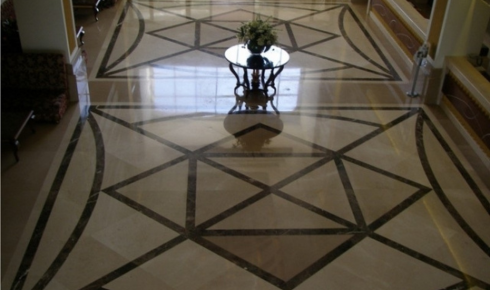
For a long time, marble was treated almost like a symbol of status. Grand hotel lobbies, oversized villas, expensive staircases — that kind of thing. But modern homeowners are approaching it differently now.
People want homes that feel warm and personal, not overly flashy.
That’s partly why softer, more versatile marble varieties have become popular in both modern and traditional interiors. Instead of dramatic black stones or heavy patterns everywhere, homeowners are leaning toward subtle textures and calming tones that work naturally with everyday living.
One variety people continue gravitating toward is white pearl marble. Its softer appearance and gentle texture make rooms feel bright without becoming cold or sterile. In natural daylight especially, it creates this relaxed, airy feeling that photographs rarely capture properly.
And honestly, that quiet elegance is probably why people connect with it so easily.
The Beauty of Imperfection in Natural Stone
One interesting thing about marble is how imperfect it is.
No two slabs look identical. Veins shift unpredictably. Tiny mineral variations create patterns that machines can imitate but never fully recreate. Some homeowners initially worry about that inconsistency until they realize it’s actually the entire charm of natural stone.
Perfect surfaces sometimes feel lifeless.
Marble feels human somehow. Organic. It ages naturally with the home instead of looking frozen in time. Small changes in texture and tone become part of the story over the years rather than flaws to hide.
That’s especially true in lived-in spaces like kitchens, hallways, and family areas where surfaces collect memories slowly through everyday use.
Warm-Toned Marble Feels More Inviting
While bright white marble remains popular, warmer shades are quietly making a huge comeback in interior design lately.
People want homes that feel softer and more comfortable now. Warmer stone tones create that feeling naturally without demanding too much visual attention. They blend easily with wood finishes, natural fabrics, earthy paint colors, and softer lighting styles many homeowners prefer today.
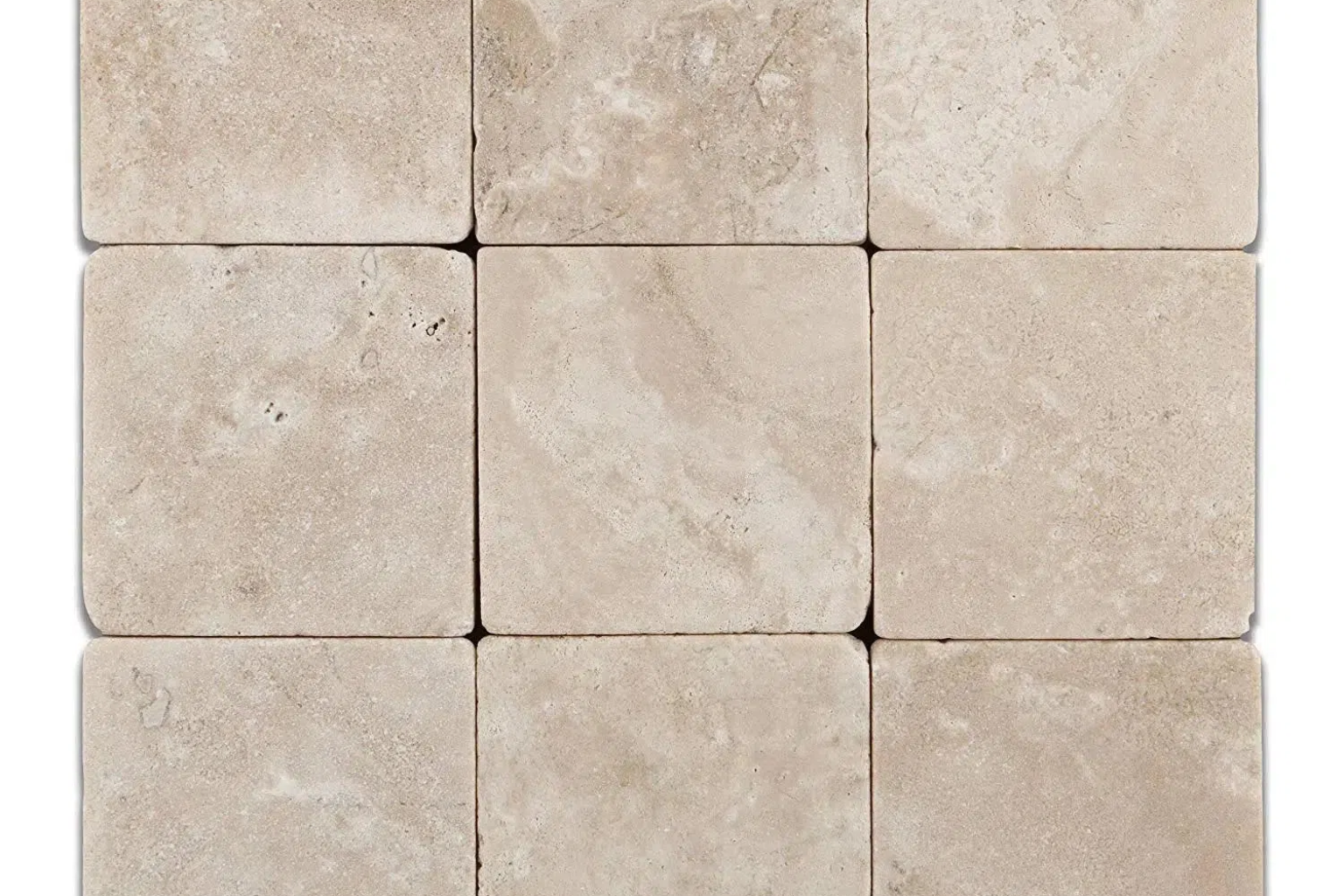
That’s one reason botticino marble continues appearing in both classic and modern homes. Its creamy beige tones bring warmth into a space without overwhelming it. Whether used for flooring, bathroom walls, countertops, or staircase designs, it tends to create a more welcoming atmosphere compared to colder stone options.
And honestly, it photographs beautifully too — especially in homes filled with natural sunlight.
Marble Changes the Mood of a Space
The interesting thing about natural stone is that it doesn’t just change how a room looks. It changes how a room feels.
Cool marble floors during summer mornings. Light reflecting softly across polished surfaces. The subtle texture under your fingertips near a kitchen counter or bathroom sink. These details affect the experience of living in a space more than people realize while planning renovations.
That’s why homeowners often say marble “elevates” a room, even if they struggle to explain exactly why.
It creates visual calm.
And in homes where life already feels busy and noisy enough, calm matters.
Choosing Marble Is More Personal Than People Expect
A lot of people assume choosing marble is purely about appearance, but it becomes surprisingly emotional once homeowners start comparing options seriously.
Some people want dramatic veining because it feels artistic. Others prefer softer patterns that blend quietly into the background. Certain homeowners love high-gloss polished finishes, while others lean toward matte textures that feel more relaxed and natural underfoot.
There’s no universal “best” marble because every home carries a different personality.
That’s probably why showroom visits become strangely memorable for many homeowners. They walk in expecting to choose stone and end up imagining entire rooms, future furniture layouts, even how morning sunlight might hit the floor years later.
And honestly, those emotional reactions usually matter more than technical specifications in the end.
Natural Materials Age Differently
One reason marble stays relevant decade after decade is because natural materials age gracefully when cared for properly.
Unlike trend-based surfaces that suddenly feel outdated after a few years, marble develops character over time. Tiny changes in polish, subtle wear patterns, and shifting light reflections make the stone feel lived-in rather than worn out.
That authenticity is becoming more valuable now.
People seem tired of homes that feel overly manufactured or temporary. Natural stone brings permanence. It feels connected to craftsmanship in a way mass-produced materials often don’t.
And honestly, that feeling is difficult to replace once someone experiences it in their own home.
Timeless Design Usually Feels Simple
The funny thing about truly beautiful interiors is how effortless they appear once everything comes together.
Not loud. Not over-designed. Just balanced.
Marble contributes to that balance naturally because it already carries texture, depth, and variation without needing much help. Whether it’s soft white stone brightening a living room or warm beige flooring grounding a larger home, natural marble creates atmosphere quietly rather than demanding attention constantly.
And maybe that’s why it continues surviving every design trend that comes and goes.
Because timeless materials don’t need to fight for attention.