Water is one of those things we rarely think about until something goes wrong. Maybe your morning shower leaves your skin feeling dry, your kitchen faucet develops stubborn white marks, or your drinking water has an unpleasant taste. Sometimes, the signs are even less obvious, showing up as cloudy glassware, scale inside appliances, or a kettle that needs cleaning far too often. These everyday frustrations can point to water quality issues that deserve a closer look.
Fortunately, improving your home’s water doesn’t have to be complicated. With the right combination of treatment methods, you can address common concerns, protect household plumbing, and make everyday activities more comfortable. The trick is understanding what your water actually needs rather than buying the first product that promises cleaner, fresher water.
Understanding What’s Really in Your Water
Water quality varies considerably depending on where you live and how your home receives its supply. Municipal water is generally treated to meet applicable safety standards, but it can still contain minerals that affect taste, contribute to scale, or leave visible residue. Homes relying on wells may face different challenges, including sediment, iron, and naturally occurring contaminants.
Hard water is among the most common household complaints. It contains elevated levels of calcium and magnesium, which can build up inside pipes, water heaters, showerheads, and washing machines. Over time, this mineral accumulation can reduce efficiency and create additional maintenance work.
Other concerns are less visible. Chlorine used in municipal disinfection may affect the taste or smell of drinking water, while certain locations may have specific concerns involving arsenic, nitrate, lead, or other contaminants. These issues require different solutions, so identifying the problem should always come before choosing equipment.
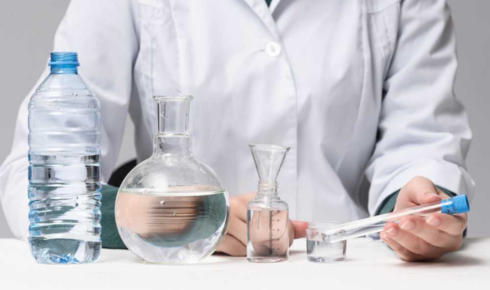
A water test provides a useful starting point. Depending on your water source and concerns, testing may measure hardness, pH, iron, total dissolved solids, or specific contaminants. If your home uses a private well, regular testing is particularly important because water quality can change over time.
Why Water Softening Can Make a Difference
If soap doesn’t lather easily, bathroom fixtures develop chalky deposits, and freshly washed dishes look spotted, hard water could be responsible. Installing water softeners can help address these problems by reducing the minerals responsible for hardness.
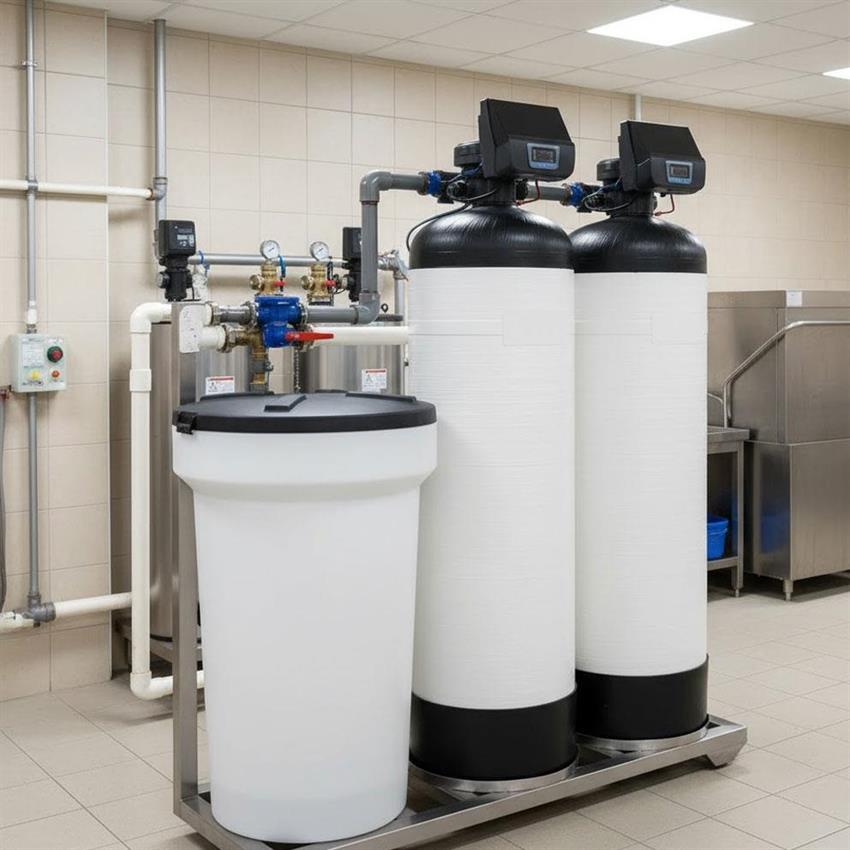
Traditional salt-based softeners use an ion-exchange process. Water passes through a resin bed that captures calcium and magnesium ions and replaces them with sodium or, in some systems, potassium ions. The resin eventually needs regeneration to restore its capacity.
For many households, the practical benefits are noticeable. Soap and shampoo may lather more easily, laundry can feel less stiff, and scale buildup on plumbing fixtures may decrease. Water heaters and other appliances can also benefit from reduced mineral deposits, although results depend on existing conditions and proper maintenance.
It’s worth remembering that softening isn’t the same as removing every contaminant. A conventional softener isn’t designed to eliminate bacteria, viruses, pesticides, or all dissolved chemicals. It also doesn’t necessarily improve water taste in the way a dedicated drinking-water filter might.
Salt-based systems require periodic salt refills and occasional maintenance. Salt-free conditioning products are another option, but they generally work differently and should not automatically be considered equivalent to conventional softeners. Before making a purchase, compare the system’s capabilities with your measured hardness level and household water use.
Whole-House Filtration for Everyday Water Quality
Some homeowners want to address more than hard water. They may be concerned about sediment, chlorine taste, odors, or other substances entering the home through the water supply. In these cases, whole home water filtration may be worth considering.
A whole-house system is usually installed where the main water line enters the property. This allows treated water to reach multiple fixtures, including showers, bathroom faucets, laundry connections, and kitchen taps. The exact benefits depend on the filtration technology and the contaminants it is designed to reduce.
Sediment filters are useful for capturing particles such as sand, rust, and other suspended material. Activated carbon filters can reduce chlorine and certain compounds that affect taste and odor. Specialized media may target particular contaminants, but these products must be selected according to their tested performance.
For example, a household that struggles with chlorine odor may benefit from a properly sized carbon filtration system. A home with significant sediment problems might need a sediment prefilter to prevent downstream equipment from clogging prematurely.
Sizing matters more than many people realize. A filter that is too small may restrict water flow when several showers, taps, or appliances operate simultaneously. Filter cartridges also need replacement according to manufacturer guidance and actual usage.
Whole-house filtration isn’t automatically necessary for every property. If the water supply is already well managed and the main concern is drinking-water taste, a smaller point-of-use system may be a more economical choice.
Cleaner Drinking Water With Reverse Osmosis
Drinking water deserves special attention because its treatment requirements can differ from those of water used for bathing, cleaning, or laundry. Even when the supply meets safety standards, some families prefer additional filtration to address taste or specific dissolved substances.
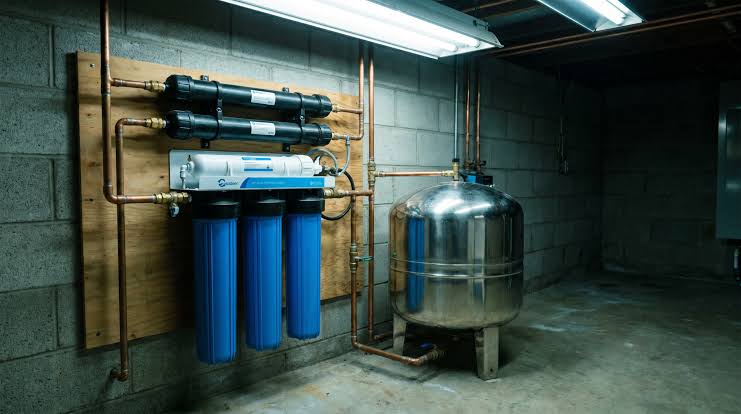
Reverse osmosis systems use a semipermeable membrane to separate much of the dissolved material from the water. Pressure pushes water through the membrane while many dissolved salts and other substances are retained in the concentrated waste stream. Depending on the system design, additional carbon filters may improve taste and help protect the membrane.
Reverse osmosis can reduce numerous dissolved contaminants, but its effectiveness varies by substance, membrane condition, water pressure, and product design. Look for independently certified systems with performance claims that match your specific concern. Certifications such as NSF/ANSI 58 are particularly relevant to reverse osmosis drinking-water treatment, although individual contaminant reduction claims should still be checked.
These systems are commonly installed beneath the kitchen sink and supply a dedicated drinking-water faucet. Some models include storage tanks, while others use tankless designs. Either way, maintenance is essential. Filters and membranes need replacement, and neglected equipment may perform less effectively than expected.
Reverse osmosis also produces wastewater and can remove minerals that contribute to water’s taste. Some households choose systems with remineralization stages to adjust the finished water’s mineral content and flavor. The right setup depends on personal preference, water chemistry, and the system’s specifications.
Combining Different Water Treatment Methods
One treatment method rarely solves every water problem. That’s why some households combine softening, whole-house filtration, and drinking-water purification.
Imagine a family dealing with hard water, a noticeable chlorine smell, and an unpleasant taste from the kitchen tap. A softener could address hardness, a suitable carbon filter could reduce chlorine, and a reverse osmosis unit could provide additional drinking-water treatment. Each system serves a different purpose.
However, adding equipment without understanding the water can waste money and increase maintenance. Certain contaminants require specialized treatment, while others may already be adequately controlled by the existing supply. Testing helps establish priorities and prevents unnecessary purchases.
Professional installation can also be valuable when treatment equipment affects water pressure, drainage, electrical connections, or plumbing arrangements. Ask installers about ongoing costs, replacement schedules, warranties, and the availability of service in your area.
Maintaining Your System for Long-Term Results
Even a high-quality treatment system needs attention. Replace filters when recommended, replenish softener salt where applicable, and follow the manufacturer’s instructions for cleaning and sanitizing equipment. If your system includes a storage tank, membrane, or ultraviolet disinfection component, make sure those parts receive appropriate maintenance too.
Keep records of water test results and service dates. If your water suddenly changes in appearance, taste, or smell, investigate rather than assuming the equipment is working normally. Changes in a private well, damaged plumbing, or a failing treatment component may require prompt attention.
It’s also sensible to retest water when circumstances change, particularly after well repairs, flooding, or other events that could affect the source.
Making a Smarter Choice for Your Home
Better water starts with understanding the problem. Hardness, unpleasant taste, sediment, and specific contaminants each call for different approaches, and no single product can address every concern.
Begin with a reliable water test, identify your household priorities, and compare systems based on independently verified performance rather than marketing promises alone. Consider installation expenses, maintenance requirements, water usage, and long-term operating costs before committing.
The payoff can be more than cleaner-looking fixtures or better-tasting drinking water. A well-chosen system can simplify household chores, help protect plumbing equipment, and provide greater confidence in your daily water use. When treatment matches your home’s actual needs, even a small improvement can make a noticeable difference in everyday life.