Water is part of almost everything we do at home. We use it to make coffee in the morning, wash vegetables for dinner, take a shower after a long day, and keep the laundry moving. Most of the time, we don’t give it much thought. That changes when the glassware comes out cloudy, the showerhead develops white crusty deposits, or tap water starts tasting a little off.
These everyday frustrations can point to water quality issues worth investigating. Fortunately, improving household water doesn’t always require a complicated setup or a major renovation. With the right information, homeowners can choose practical solutions that suit their water supply, budget, and daily routine.
Why Water Quality Deserves More Attention
Water can look perfectly clear and still contain dissolved minerals or other substances that affect its quality. Some concerns are mainly cosmetic, while others may require more careful investigation.
Hard water is a common example. It contains elevated concentrations of calcium and magnesium, which can leave mineral deposits on faucets, shower doors, and kitchen fixtures. Soap may also struggle to lather properly, leaving people feeling as though they need extra shampoo or detergent to get the job done.
Other issues involve taste, odor, or sediment. Depending on the water source, homeowners might also need to consider specific contaminants that cannot be identified simply by looking at a glass of water.
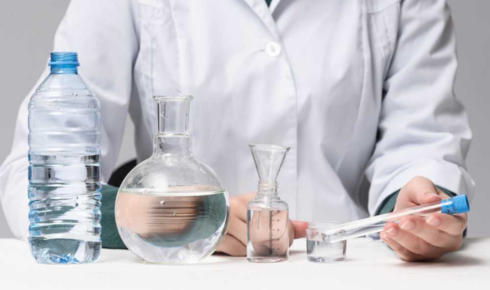
The first step is understanding what’s actually present. A water test can help distinguish between mineral buildup, filtration needs, and more serious water quality concerns. If you rely on a private well, regular testing is particularly important because water conditions can change over time.
Understanding the Benefits of Water Softeners
If you’ve spent a Saturday morning scrubbing stubborn white marks off a shower door, you already know how frustrating hard water can be. Those deposits are often caused by minerals left behind when water evaporates, and repeated buildup can make ordinary cleaning feel like a never-ending chore.
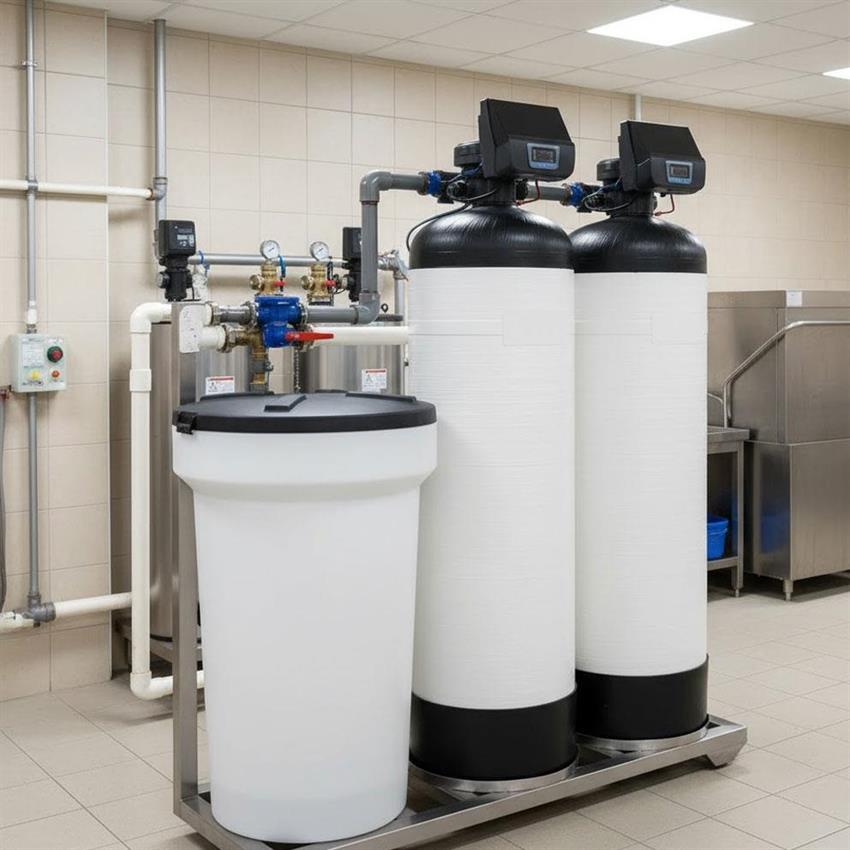
Installing water softeners can help address this problem. Most conventional water softeners use an ion exchange process that replaces calcium and magnesium ions with sodium or, in some systems, potassium ions. This reduces water hardness and helps prevent the familiar scale associated with hard water.
The benefits can be noticeable throughout the house. Soap and shampoo generally lather more easily, mineral deposits become less troublesome, and certain water-using appliances may experience less scale accumulation. You might even find yourself spending less time cleaning faucets and showerheads.
Still, a water softener isn’t a universal water purifier. It doesn’t automatically remove bacteria, pesticides, or every dissolved contaminant. It primarily addresses hardness, so testing is useful before making a purchase.
It’s also worth considering sodium content, especially if anyone in the household follows a medically prescribed sodium restriction. A softener may increase sodium levels in treated water, depending on the hardness and system settings. A separate drinking water solution or alternative arrangement may be appropriate.
Whole-Home Filtration: Treating Water Beyond the Kitchen Sink
Some water problems aren’t limited to drinking and cooking. If chlorine odors are noticeable in several bathrooms, or sediment appears at different fixtures, a filter installed at just one tap may not address the household’s broader needs.
That’s where whole home filtration can make sense. These systems are installed where water enters the property, allowing treated water to flow to multiple taps, showers, and appliances. Depending on the filter media, they may reduce sediment, chlorine, and other targeted substances.
For example, a sediment filter can capture suspended particles, while an appropriately selected activated carbon filter can improve taste and odor by reducing certain compounds. More specialized filtration media may be needed for particular contaminants identified through testing.
The important thing is matching the equipment to the problem. A basic sediment filter won’t remove dissolved salts, and a typical carbon filter isn’t designed to soften hard water. Different technologies have different jobs.
Homeowners should also consider the size of the system and the household’s water demand. A filter that’s too small may restrict flow, while an unnecessarily complex system can increase installation and maintenance costs.
Before committing, ask what the system is certified to reduce, how often its filters need replacement, and whether professional servicing is available. Those details can matter more than a long list of features on a product brochure.
Choosing Reverse Osmosis for Better Drinking Water
Even when the water throughout your home is acceptable for everyday use, you may want an additional layer of treatment for drinking and cooking. This is especially relevant when water testing identifies dissolved substances that a standard carbon filter isn’t designed to reduce.
Reverse osmosis drinking water systems use pressure to move water through a semipermeable membrane. The membrane helps separate water from many dissolved contaminants, although the exact reduction depends on the equipment, operating conditions, and substances involved.
Many systems are installed beneath the kitchen sink and connected to a dedicated faucet. Some include carbon prefilters and post-filters to protect the membrane and improve taste. Depending on the model, a storage tank may hold treated water for convenient use.
Reverse osmosis can reduce certain dissolved salts, lead, arsenic, and other substances when the particular system has demonstrated effectiveness against them. However, no system should be assumed to remove everything. Check its independently verified performance claims against your actual water test results.
There are trade-offs, too. Conventional reverse osmosis units produce wastewater as part of the filtration process, and their membranes and filters require periodic replacement. Water production rates and efficiency vary considerably between models.
For many households, a point-of-use unit is a practical choice because it treats water used for drinking, preparing meals, and making beverages without requiring the entire home’s water supply to pass through a reverse osmosis membrane.
Can You Combine Different Water Treatment Systems?
Sometimes, the best solution involves more than one technology. A household dealing with hard water and an unpleasant drinking water taste, for instance, may benefit from a softener combined with a separate drinking water filter.
The order of installation matters. Depending on the water conditions, sediment filtration may protect downstream equipment, while softening can reduce hardness that contributes to scale. A reverse osmosis unit can then treat drinking water at the point of use.
However, adding several systems isn’t automatically better. Every additional component brings costs, maintenance requirements, and potential points of failure. The goal should be to solve identified problems, not build the most elaborate system available.
A qualified water treatment professional can help interpret test results and recommend an arrangement suited to the property’s plumbing, water source, and household needs.
Keeping Your Water Treatment System Working Properly
Buying the right equipment is only half the job. Filters become less effective when they’re overdue for replacement, and neglected systems can develop performance problems that aren’t immediately obvious.
Follow the manufacturer’s maintenance schedule, replace consumables as recommended, and arrange servicing when necessary. Keep installation documents and water test results somewhere accessible. These simple habits make it easier to track performance and identify changes.
Pay attention to new warning signs, too. A sudden change in taste, persistent discoloration, or an unexpected odor deserves investigation rather than an assumption that the treatment system will handle it.
For private wells, follow appropriate local health authority guidance on testing. For municipal supplies, reviewing the water provider’s quality report can provide useful background, although testing at the home may still be warranted if plumbing-related concerns arise.
Making a Confident Choice for Your Home
Better household water begins with knowing what you’re trying to improve. Hardness, sediment, chlorine taste, and dissolved contaminants are different problems, and each may require a different solution.
Start with reliable testing, compare systems based on verified performance, and consider long-term operating costs alongside the initial price. A well-chosen softener, whole-house filter, or reverse osmosis unit can make daily life more convenient when it addresses a genuine need.
Ultimately, the best water treatment setup isn’t necessarily the newest or most expensive one. It’s the system that fits your household, performs as promised, and remains properly maintained. A little research upfront can save money, reduce frustration, and help you feel more confident about the water you use every day.