Home Blog Page 2

Why Marble Still Feels Timeless in Modern Homes

There’s something about marble that never really goes out of style.

Trends come and go — matte finishes become glossy again, minimalism turns warm and layered, bold interiors suddenly become soft and neutral — but marble somehow stays relevant through all of it. Maybe it’s because natural stone doesn’t try too hard. It carries its own character without needing extra decoration.

Walk into a home with thoughtfully chosen marble flooring or wall accents, and the atmosphere changes immediately. The space feels calmer. More grounded. Even light behaves differently around natural stone surfaces. It softens, reflects, settles.

And honestly, that’s difficult to fake with synthetic materials.

Marble Isn’t Just About Luxury Anymore

For a long time, marble was treated almost like a symbol of status. Grand hotel lobbies, oversized villas, expensive staircases — that kind of thing. But modern homeowners are approaching it differently now.

People want homes that feel warm and personal, not overly flashy.

That’s partly why softer, more versatile marble varieties have become popular in both modern and traditional interiors. Instead of dramatic black stones or heavy patterns everywhere, homeowners are leaning toward subtle textures and calming tones that work naturally with everyday living.

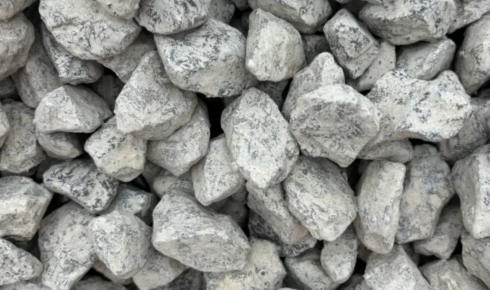
One variety people continue gravitating toward is white pearl marble. Its softer appearance and gentle texture make rooms feel bright without becoming cold or sterile. In natural daylight especially, it creates this relaxed, airy feeling that photographs rarely capture properly.

And honestly, that quiet elegance is probably why people connect with it so easily.

The Beauty of Imperfection in Natural Stone

One interesting thing about marble is how imperfect it is.

No two slabs look identical. Veins shift unpredictably. Tiny mineral variations create patterns that machines can imitate but never fully recreate. Some homeowners initially worry about that inconsistency until they realize it’s actually the entire charm of natural stone.

Perfect surfaces sometimes feel lifeless.

Marble feels human somehow. Organic. It ages naturally with the home instead of looking frozen in time. Small changes in texture and tone become part of the story over the years rather than flaws to hide.

That’s especially true in lived-in spaces like kitchens, hallways, and family areas where surfaces collect memories slowly through everyday use.

Warm-Toned Marble Feels More Inviting

While bright white marble remains popular, warmer shades are quietly making a huge comeback in interior design lately.

People want homes that feel softer and more comfortable now. Warmer stone tones create that feeling naturally without demanding too much visual attention. They blend easily with wood finishes, natural fabrics, earthy paint colors, and softer lighting styles many homeowners prefer today.

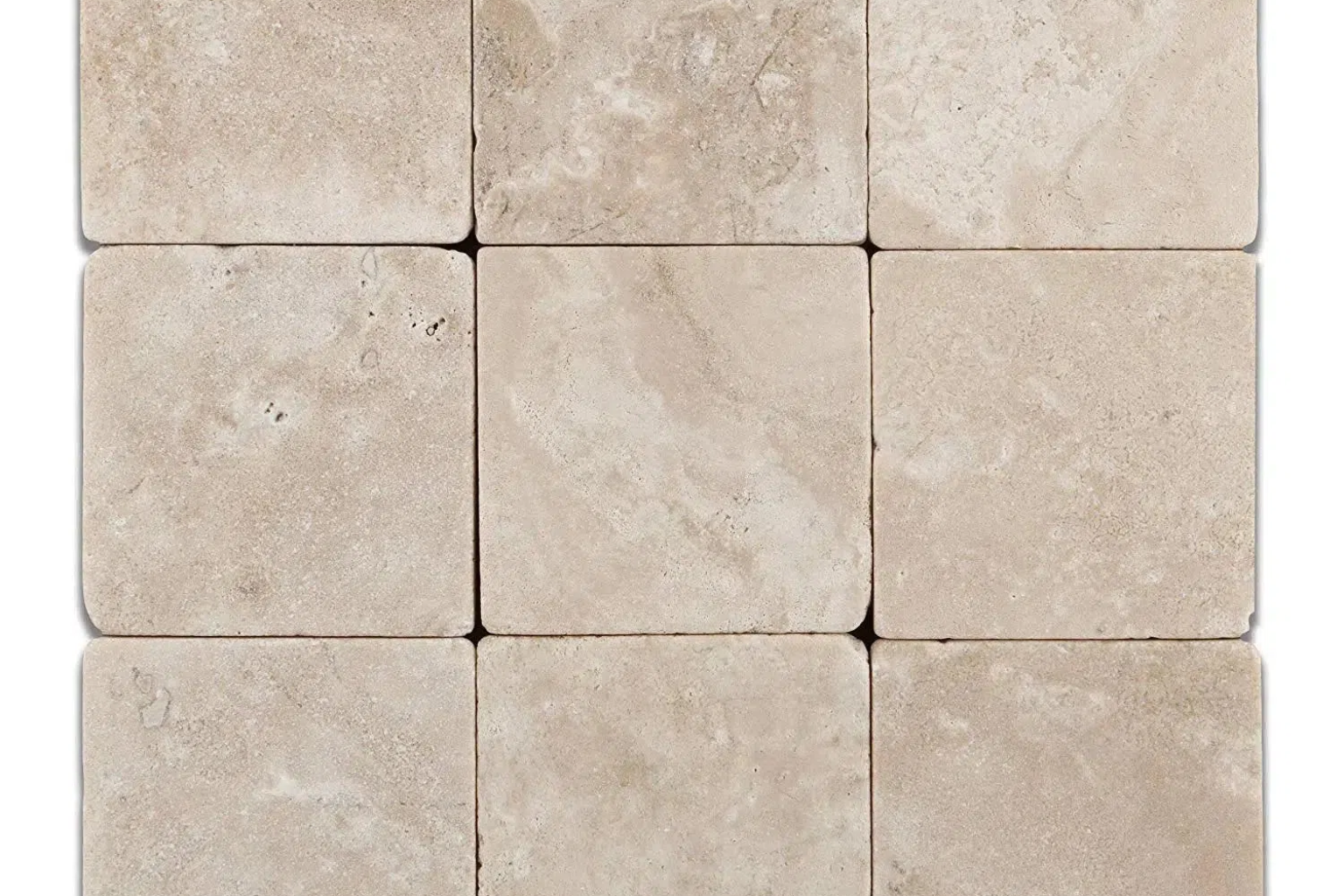
That’s one reason botticino marble continues appearing in both classic and modern homes. Its creamy beige tones bring warmth into a space without overwhelming it. Whether used for flooring, bathroom walls, countertops, or staircase designs, it tends to create a more welcoming atmosphere compared to colder stone options.

And honestly, it photographs beautifully too — especially in homes filled with natural sunlight.

Marble Changes the Mood of a Space

The interesting thing about natural stone is that it doesn’t just change how a room looks. It changes how a room feels.

Cool marble floors during summer mornings. Light reflecting softly across polished surfaces. The subtle texture under your fingertips near a kitchen counter or bathroom sink. These details affect the experience of living in a space more than people realize while planning renovations.

That’s why homeowners often say marble “elevates” a room, even if they struggle to explain exactly why.

It creates visual calm.

And in homes where life already feels busy and noisy enough, calm matters.

Choosing Marble Is More Personal Than People Expect

A lot of people assume choosing marble is purely about appearance, but it becomes surprisingly emotional once homeowners start comparing options seriously.

Some people want dramatic veining because it feels artistic. Others prefer softer patterns that blend quietly into the background. Certain homeowners love high-gloss polished finishes, while others lean toward matte textures that feel more relaxed and natural underfoot.

There’s no universal “best” marble because every home carries a different personality.

That’s probably why showroom visits become strangely memorable for many homeowners. They walk in expecting to choose stone and end up imagining entire rooms, future furniture layouts, even how morning sunlight might hit the floor years later.

And honestly, those emotional reactions usually matter more than technical specifications in the end.

Natural Materials Age Differently

One reason marble stays relevant decade after decade is because natural materials age gracefully when cared for properly.

Unlike trend-based surfaces that suddenly feel outdated after a few years, marble develops character over time. Tiny changes in polish, subtle wear patterns, and shifting light reflections make the stone feel lived-in rather than worn out.

That authenticity is becoming more valuable now.

People seem tired of homes that feel overly manufactured or temporary. Natural stone brings permanence. It feels connected to craftsmanship in a way mass-produced materials often don’t.

And honestly, that feeling is difficult to replace once someone experiences it in their own home.

Timeless Design Usually Feels Simple

The funny thing about truly beautiful interiors is how effortless they appear once everything comes together.

Not loud. Not over-designed. Just balanced.

Marble contributes to that balance naturally because it already carries texture, depth, and variation without needing much help. Whether it’s soft white stone brightening a living room or warm beige flooring grounding a larger home, natural marble creates atmosphere quietly rather than demanding attention constantly.

And maybe that’s why it continues surviving every design trend that comes and goes.

Because timeless materials don’t need to fight for attention.

Why Choosing a Full House Refurbishment Company Makes the Entire Process Easier

0

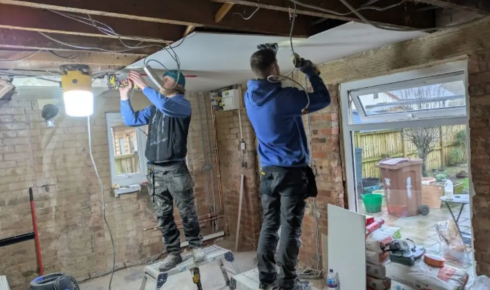
When people start thinking about renovating an entire property, the excitement usually comes first. You picture a more modern kitchen, brighter living spaces, improved layouts, better storage, maybe even a complete transformation of how the home feels day to day. Then reality kicks in. Coordinating builders, electricians, plumbers, plasterers, decorators, flooring specialists, and suppliers can quickly become overwhelming. That is exactly why working with a professional Full house refurbishment company matters so much.

At bowmans-construction, we understand that a full property renovation is a major investment, both financially and emotionally. Most homeowners are not just looking for builders. They want reassurance, organisation, communication, and a finished result that genuinely improves the way they live. Our role is to manage the entire refurbishment process from start to finish, helping clients avoid the stress that often comes with large scale building projects.

Why Full Property Refurbishments Need Proper Project Management

One of the biggest mistakes homeowners make is trying to coordinate separate trades themselves. On paper, it can seem like a way to save money, but in practice it often leads to delays, confusion, and inconsistent workmanship. Timing becomes difficult, communication gets messy, and when one trade falls behind, the entire schedule can start collapsing around it.

That is where an experienced Full house refurbishment company becomes invaluable.

At Bowmans Construction, we manage every stage of the refurbishment under one roof. Instead of homeowners chasing multiple contractors, suppliers, and schedules, we take responsibility for coordinating the entire project. This helps keep work progressing smoothly while ensuring every element of the renovation works together properly.

Whether the project involves structural changes, internal reconfiguration, kitchen installations, bathroom renovations, plastering, flooring, decorating, or complete property modernisation, our team oversees every detail carefully and professionally.

Transforming Older Properties Into Modern Homes

A lot of refurbishment projects involve older homes that no longer suit modern living. Perhaps the layout feels cramped, storage is limited, lighting is poor, or the property simply looks tired and outdated. In many cases, the structure itself is perfectly solid, but the internal design no longer works for the family living there.

This is something we see regularly at Bowmans Construction.

We help homeowners completely rethink their spaces while still respecting the character of the property. Some clients want open-plan living areas. Others need additional functionality for growing families or home working. Some properties require extensive modernisation, while others simply need a more cohesive design throughout.

Because we specialise as a Full house refurbishment company, we can handle projects of all sizes and levels of complexity. Our experience allows us to identify practical solutions that improve both the appearance and usability of a home.

Better Coordination Means Fewer Delays

One thing people often underestimate during renovation work is how much organisation is required behind the scenes. Materials need to arrive on time. Trades need to follow each other in the correct order. Structural work must be completed before finishes begin. Inspections and approvals sometimes need arranging. Without proper management, delays can quickly pile up.

At Bowmans Construction, we focus heavily on coordination and planning because it keeps projects moving efficiently. Homeowners benefit from having a single point of contact throughout the refurbishment rather than trying to manage multiple people independently.

This approach usually leads to:

  • Better communication
  • Fewer unexpected delays
  • More consistent workmanship
  • Improved accountability
  • Less disruption for homeowners
  • A smoother overall experience

When working with a trusted Full house refurbishment company, clients can feel confident knowing the project is being professionally managed from beginning to end.

Tailored Refurbishment Solutions For Every Property

No two homes are ever exactly the same, which means refurbishment projects should never follow a one-size-fits-all approach. Some clients want luxury finishes throughout the property, while others focus more on practicality and long-term durability. Some projects involve period homes, while others involve newer properties that simply need updating.

At Bowmans Construction, we tailor every refurbishment around the specific needs of the client and the property itself. Before work begins, we spend time understanding exactly how the homeowner wants the finished space to function and feel.

As an experienced Full house refurbishment company, we know that successful projects are not only about construction quality. They are about creating homes that genuinely improve daily life for the people living in them.

Quality Workmanship Matters

A full property renovation involves countless individual details, and quality matters at every stage. Poor workmanship in one area can affect the overall result significantly. Uneven finishes, rushed installations, poor coordination, or low-quality materials can quickly turn an exciting renovation into a frustrating experience.

That is why Bowmans Construction places such a strong emphasis on skilled workmanship and reliable project delivery. Our team works carefully to ensure every part of the refurbishment is completed to a high professional standard.

From structural alterations and plastering to flooring, kitchens, bathrooms, decorating, and finishing touches, we aim to deliver results that feel complete, polished, and built to last.

This attention to detail is one of the reasons homeowners continue choosing us as their preferred Full house refurbishment company.

Reducing Stress Throughout The Renovation Process

Home refurbishments can feel disruptive, especially when major works are involved. There is naturally some inconvenience during construction, but having an organised and experienced team managing the project can make a huge difference.

At Bowmans Construction, we understand that communication is just as important as the building work itself. Homeowners want regular updates, realistic timelines, and reassurance that everything is progressing properly.

By handling the planning, scheduling, coordination, and construction work together, we help reduce the pressure on clients throughout the refurbishment process. Instead of constantly solving problems themselves, homeowners can focus on the excitement of seeing their property transformed.

Why Homeowners Choose Bowmans Construction

At Bowmans Construction, we take pride in delivering refurbishment projects that combine practicality, quality, and thoughtful design. We understand that a full home renovation is a significant decision, and we work hard to make the process as straightforward and stress-free as possible.

If you’re planning a major home upgrade, working with a full house refurbishment company can make things a lot less stressful. Instead of juggling different trades and trying to keep everything on track yourself, you’ve got one team handling the whole job from start to finish. That usually means better coordination, fewer delays, and a result that actually feels finished rather than pieced together. Whether it’s updating an older property or completely reworking the layout, having experienced people managing the process tends to save time, and quite a few headaches along the way.

Our team provides reliable solutions for all types of refurbishment work, whether you are modernising a dated property, improving functionality, increasing living space, or completely redesigning your home interior.

Ready To Start Your Refurbishment Project?

If you are looking for a reliable and experienced Full house refurbishment company, Bowmans Construction is here to help. We provide professional refurbishment services designed around your property, your goals, and your budget.

To discuss your project or request more information, visit the Bowmans Construction Contact Page and speak with our team today.

Mining Equipment Transport Services for Heavy Logistics

0

Mining equipment transport services are a critical backbone of modern mining operations, ensuring that heavy machinery and oversized industrial assets are moved safely, efficiently, and in full compliance with regulations. From massive excavators and drilling rigs to haul trucks and crushing systems, mining equipment requires highly specialized logistics planning that goes far beyond standard freight transportation.

In today’s competitive mining industry, delays in equipment delivery can significantly impact production timelines, operational costs, and project profitability. That is why companies like Heavylux focus on delivering structured, precision-based logistics solutions designed specifically for heavy industrial and mining requirements.

The complexity of mining logistics continues to grow as operations expand into remote and challenging environments. This makes mining equipment transport services not just a support function, but a strategic component of successful mining projects.

Importance of Mining Equipment Transport Services in Modern Industry

Transporting mining machinery is not simply about moving cargo from one location to another. It requires engineering precision, regulatory compliance, and careful coordination across multiple stakeholders.

Key reasons these services are essential include:

  • Mining equipment often exceeds legal road size and weight limits
  • Specialized trailers and modular transport systems are required
  • Infrastructure limitations demand advanced route planning
  • Strict government permits and compliance regulations must be followed
  • Improper handling can result in costly damage and downtime

Without professional mining equipment transport services, mining companies face increased risks of delays, financial losses, and operational inefficiencies.

In many cases, transport planning begins long before equipment is manufactured, ensuring that logistics considerations are integrated into the project lifecycle from the start.

Planning Process in Mining Equipment Transport Services

A successful transport operation begins with detailed planning. Every mining asset presents unique challenges depending on size, weight, and structural design.

Equipment Assessment and Logistics Engineering

The first step involves a comprehensive assessment of:

  • Equipment dimensions and weight distribution
  • Structural stability and disassembly requirements
  • Center of gravity and load balance points
  • Special handling instructions from manufacturers

This phase ensures the correct transport method is selected, reducing risks during loading and transit.

Route Survey and Infrastructure Analysis

A critical part of mining equipment transport services is route evaluation. This includes:

  • Bridge load capacity analysis
  • Road width and clearance measurement
  • Sharp turns and elevation challenges
  • Urban and rural traffic constraints

Advanced GIS mapping tools and simulation software are often used to identify the safest and most efficient transport routes.

Risk Management and Contingency Planning

Risk assessment is integrated into every stage of logistics planning. Potential risks include:

  • Weather disruptions such as heavy rain or flooding
  • Road damage or construction zones
  • Mechanical breakdowns of transport vehicles
  • Unexpected permit delays

Contingency plans ensure that alternative routes and backup schedules are always available.

Compliance and Regulatory Requirements

One of the most complex aspects of mining equipment transport services is regulatory compliance. Heavy haul transport is governed by strict rules that vary across regions and countries.

Key compliance requirements include:

  • Oversized load permits from transportation authorities
  • Escort vehicle regulations for wide or heavy loads
  • Time-restricted travel windows in certain jurisdictions
  • Environmental and safety compliance documentation

Failure to comply can result in severe penalties, delays, or even seizure of equipment.

Professional logistics providers ensure all documentation is prepared and approved before transport begins, reducing legal risks for mining operators.

Specialized Equipment Used in Mining Equipment Transport Services

Transporting mining machinery requires highly specialized equipment designed for extreme weight and size conditions.

Heavy-Duty Transport Trailers

These include:

  • Multi-axle hydraulic trailers
  • Modular low-bed trailers
  • Extendable platform trailers

They are engineered to distribute weight evenly and maintain stability during transport.

Loading and Unloading Systems

Heavy machinery is loaded using:

  • Industrial cranes with high load capacity
  • Hydraulic lifting systems
  • Ramp-assisted loading platforms

Precision is critical during this phase to avoid structural stress or damage.

Load Securing Technology

To ensure safety during transit, advanced securing methods are used:

  • High-tension chains and binders
  • Hydraulic locking systems
  • Anti-slip surfaces and stabilizers

These systems prevent movement and vibration-related damage during transportation.

Technology in Mining Equipment Transport Services

Modern logistics has evolved significantly with the integration of advanced technologies that improve safety, visibility, and efficiency.

GPS Tracking and Real-Time Monitoring

Real-time tracking systems provide:

  • Live location updates
  • Route deviation alerts
  • Speed and safety monitoring
  • Estimated arrival times

This ensures full transparency throughout the transport process.

AI-Powered Route Optimization

Artificial intelligence is used to:

  • Predict traffic congestion
  • Identify fuel-efficient routes
  • Reduce travel time and risks
  • Improve scheduling accuracy

Digital Documentation Systems

Paper-based permits are being replaced by digital systems that allow:

  • Faster approval processes
  • Reduced administrative delays
  • Centralized compliance tracking

These innovations make mining equipment transport services more efficient and reliable than ever before.

Challenges in Mining Equipment Transport Services

Despite technological advancements, several challenges continue to affect heavy logistics operations.

Infrastructure Limitations

Many mining sites are located in remote areas with:

  • Weak or unpaved roads
  • Limited bridge capacity
  • Narrow access routes

These conditions require careful transport planning and sometimes infrastructure reinforcement.

Weather and Environmental Conditions

Extreme weather events can significantly impact logistics:

  • Heavy rainfall causing road flooding
  • High temperatures affecting machinery performance
  • Dust storms reducing visibility

High Operational Costs

Mining logistics involves significant expenses, including:

  • Fuel for heavy transport vehicles
  • Permit acquisition fees
  • Escort and security services
  • Specialized equipment rental

Safety Risks

Safety remains a top priority in all mining equipment transport services due to:

  • High-risk loading operations
  • Oversized load instability
  • Road traffic hazards

Proper training and safety protocols are essential to mitigate these risks.

Best Practices for Safe Mining Equipment Transport Services

Industry leaders follow strict procedures to ensure safety and efficiency at every stage.

Pre-Transport Preparation

This includes:

  • Full mechanical inspection of equipment
  • Partial disassembly for oversized components
  • Load weight verification and documentation

Secure Loading Procedures

Best practices include:

  • Balanced weight distribution
  • Multi-point restraint systems
  • Shock absorption materials

Escort and Communication Protocols

For oversized loads:

  • Pilot escort vehicles guide transport routes
  • Constant communication is maintained between drivers and control centers
  • Emergency response systems are kept on standby

Post-Delivery Checks

After arrival:

  • Equipment is reassembled if required
  • Operational testing is conducted
  • Condition reports are finalized

Business Benefits of Mining Equipment Transport Services

Efficient logistics directly contributes to mining success and profitability.

Reduced Operational Downtime

Timely delivery ensures:

  • Faster project activation
  • Continuous mining operations
  • Reduced idle equipment time

Cost Efficiency

Proper logistics planning reduces:

  • Fuel consumption
  • Equipment repair costs
  • Regulatory penalties

Improved Asset Protection

Careful handling extends equipment lifespan by:

  • Preventing structural damage
  • Protecting hydraulic systems
  • Reducing wear and tear during transit

Enhanced Scalability

Reliable transport systems allow mining companies to:

  • Expand into remote regions
  • Deploy larger machinery fleets
  • Scale production efficiently

Selecting the Right Provider for Mining Equipment Transport Services

Choosing a logistics partner is a strategic decision that directly impacts project success.

Important factors to evaluate:

  • Proven experience in heavy haul logistics
  • Strong safety and compliance record
  • Availability of specialized transport fleets
  • Transparent communication systems
  • Advanced technology integration

Companies like Heavylux provide structured, end-to-end logistics solutions tailored for mining and industrial sectors, ensuring reliable performance even in complex environments.

Future of Mining Equipment Transport Services

The future of heavy logistics is being shaped by innovation, automation, and sustainability.

Automation and Smart Logistics

Future systems will include:

  • Autonomous transport coordination
  • Predictive maintenance for fleets
  • AI-based logistics planning

Sustainable Transport Solutions

The industry is shifting toward:

  • Low-emission transport vehicles
  • Fuel-efficient logistics planning
  • Reduced environmental impact strategies

Infrastructure Modernization

Governments and industries are investing in:

  • Stronger transport corridors for mining regions
  • Smart monitoring systems for roads and bridges
  • Digital permit and compliance platforms

These advancements will redefine how mining equipment transport services operate in the coming years.

Conclusion

Mining equipment transport services are essential to the success of modern mining operations. They ensure that heavy and oversized machinery is transported safely, efficiently, and in compliance with strict regulatory requirements. From detailed planning and advanced route surveys to specialized equipment handling and real-time monitoring, every stage plays a vital role in operational success.

As mining projects continue to expand globally, the demand for reliable logistics solutions will only increase. Partnering with experienced providers like Heavylux helps reduce risks, improve efficiency, and ensure uninterrupted mining operations even in the most challenging environments.

Wood Framing Services That Build Strength and Value

0

When it comes to construction, nothing matters more than a strong foundation, and that starts with professional wood framing services. Whether you’re building a home, expanding a commercial space, or developing a custom structure, the framing stage determines the durability, efficiency, and long-term performance of your project.

At Ike MN Construction, framing isn’t just another step in the process, it’s the backbone of every successful build. With precision craftsmanship and a commitment to structural integrity, their team delivers framing solutions designed to stand the test of time.

Why Wood Framing Services Are the Backbone of Every Structure

Wood framing is often referred to as the “skeleton” of a building, and for good reason. It defines the layout, supports loads, and ensures everything from drywall to roofing fits perfectly. When done right, it creates a structure that remains stable for decades.

Professional wood framing services provide:

  • Structural strength and load distribution
  • Accurate alignment for walls, floors, and roofs
  • A stable base for all finishing elements
  • Improved energy efficiency through proper sealing

Poor framing, on the other hand, can lead to long-term issues like cracked walls, sagging floors, and costly repairs.

Types of Wood Framing Services for Modern Construction

Not all framing methods are the same. Choosing the right approach depends on your project type, budget, and design goals.

1. Stick Framing

Stick framing is the most common method used in residential construction. It involves assembling walls, floors, and roofs piece by piece using dimensional lumber.

Best for:

  • Homes and townhouses
  • Small commercial buildings
  • Additions and remodels

This method offers flexibility, making it easier to customize layouts and future expansions.

2. Post Frame Construction

Also known as pole framing, this method uses large vertical posts to support the structure.

Best for:

  • Warehouses
  • Agricultural buildings
  • Large open spaces

Post framing is cost-effective and allows for wide, unobstructed interiors, making it ideal for functional spaces.

3. Hybrid Framing Systems

Some projects combine wood framing with steel or engineered materials for added strength and design flexibility.

Best for:

  • Multi-use buildings
  • Commercial projects requiring durability and adaptability

Key Benefits of Professional Wood Framing Services

Choosing expert framing services isn’t just about getting the job done, it’s about getting it done right.

Precision That Prevents Problems

Accurate measurements and layout ensure that every component fits perfectly. Even small errors can cause major issues down the line.

Long-Term Durability

High-quality materials and proper installation protect against warping, shifting, and environmental stress.

Code Compliance and Safety

Professional framers follow strict building codes, ensuring your structure meets safety standards and passes inspections.

Faster Project Timelines

Experienced crews work efficiently, helping keep your construction schedule on track.

Common Mistakes to Avoid in Wood Framing Projects

Even minor framing mistakes can lead to expensive repairs. Here are some of the most common issues:

  • Incorrect measurements leading to misaligned structures
  • Using low-quality or wet lumber that warps over time
  • Improper fastening techniques reducing structural integrity
  • Ignoring load paths, causing uneven stress distribution
  • Lack of bracing, increasing vulnerability to wind or movement

Professional contractors like Ike MN Construction use proven systems, quality materials, and detailed inspections to eliminate these risks before they become costly problems.

How Wood Framing Services Impact Energy Efficiency

Framing plays a surprising role in energy performance. Properly aligned structures allow for:

  • Better insulation installation
  • Reduced air leaks
  • Improved HVAC efficiency
  • Lower energy bills over time

When framing is done poorly, gaps and inconsistencies can compromise insulation, leading to wasted energy and discomfort.

The Process Behind High-Quality Wood Framing Services

Understanding the framing process helps you appreciate the level of expertise required.

Step 1: Planning and Blueprint Review

Every project begins with a detailed analysis of architectural plans to ensure accurate load distribution and layout.

Step 2: Material Selection

High-quality, kiln-dried lumber is chosen to prevent warping and ensure long-term stability.

Step 3: Layout and Assembly

Walls, joists, and trusses are measured, cut, and assembled with precision.

Step 4: Reinforcement and Bracing

Critical load-bearing areas are strengthened to handle environmental stress.

Step 5: Inspection and Quality Control

Each stage is inspected to ensure compliance with building codes and performance standards.

Residential vs. Commercial Wood Framing Services

While the fundamentals are the same, residential and commercial framing projects have different requirements.

Residential Framing

  • Focuses on comfort, layout flexibility, and aesthetics
  • Typically uses stick framing
  • Ideal for homes, garages, and additions

Commercial Framing

  • Requires higher load capacity and durability
  • Often involves hybrid systems
  • Used for offices, retail spaces, and warehouses

Ike MN Construction provides both residential and commercial framing solutions, ensuring every project meets its unique structural demands.

What Sets Expert Wood Framing Services Apart

Not all contractors deliver the same level of quality. The difference lies in expertise, process, and attention to detail.

Here’s what to look for:

  • Proven experience in diverse project types
  • Strong understanding of structural engineering principles
  • Commitment to using premium materials
  • Clear communication and project transparency
  • Consistent quality control and inspections

Companies that prioritize these elements consistently deliver stronger, longer-lasting structures.

Why Experience Matters in Wood Framing

Framing is not a trial-and-error process, it requires deep knowledge and hands-on experience. Skilled framers understand:

  • How materials behave in different climates
  • The importance of load paths and structural balance
  • Techniques to prevent moisture damage and warping
  • How to align framing with architectural and mechanical systems

This expertise ensures your project is not only structurally sound but also efficient and cost-effective.

Choosing the Right Wood Framing Services for Your Project

Selecting the right contractor can make or break your project. Here are a few tips:

  1. Review past projects to assess quality and consistency
  2. Ask about materials and methods used
  3. Ensure code compliance and certifications
  4. Look for clear timelines and communication
  5. Choose a team with both residential and commercial experience

Working with a trusted provider like Ike MN Construction ensures your framing is built with precision, durability, and professionalism.

Building It Right from the Start

Every successful construction project begins with a strong frame. Investing in professional wood framing services ensures your structure is safe, stable, and built to last for years to come.

From planning and materials to execution and inspection, expert framing sets the stage for everything that follows. It’s not just about building, it’s about building right.

Ready to start your project?
Learn more about what Ike MN Construction can do for your next build by visiting their website: ikemnconstructions and request a consultation today.

When the Roof Tells a Story: What Homeowners Often Miss Until It’s Too Late

0

There’s a quiet kind of truth your roof holds. You don’t really notice it on sunny days, when everything feels steady and predictable. But after a long night of wind, rain, or hail… suddenly it speaks. Maybe it’s a small stain on the ceiling, a loose shingle fluttering, or that odd drip you can’t quite trace. And just like that, your home starts asking for attention.

The thing is, roofing issues rarely show up dramatically at first. They creep in slowly. A tiny crack here, a slightly lifted shingle there. Easy to ignore. Easy to postpone. Until they’re not.

Why Roof Problems Rarely Announce Themselves

Most homeowners expect a roof problem to be obvious — something big, visible, urgent. But in reality, roofs tend to fail quietly. Moisture seeps under shingles. Heat weakens materials over time. And small wear-and-tear builds into something bigger without warning.

I’ve seen people go months thinking everything’s fine, only to discover structural damage that had been developing right above their heads. It’s not negligence, really. It’s just that roofs are out of sight, and naturally… out of mind.

That’s why regular inspections matter more than we admit. Not just when there’s a leak, but before.

The Real Value of Local Expertise

There’s something to be said about working with professionals who understand your environment — the specific weather patterns, the materials that hold up best, the common issues in your area. It’s not just about fixing a roof; it’s about knowing how it lives and breathes over time.

In places like Texas, for example, intense sun and unpredictable storms create a unique set of challenges. That’s where reliable roofing services dfw become essential, not optional. Local experience means quicker diagnosis, smarter repairs, and solutions that actually last.

And honestly, that peace of mind? It’s worth more than people think.

Repair or Replace? The Question Everyone Faces

At some point, every homeowner runs into the same dilemma: Do I repair what’s damaged, or is it time to replace the whole thing?

There’s no one-size-fits-all answer here. A few missing shingles after a storm? Probably repairable. Widespread wear, sagging areas, or recurring leaks? That’s usually a sign your roof is nearing the end of its life.

What matters most is getting an honest assessment. Not a rushed recommendation, not a sales pitch — just clear, practical advice. A good contractor will walk you through both options, explain costs, and help you understand what makes sense long-term.

Because sometimes a cheaper fix today turns into a bigger expense tomorrow.

Understanding What Goes Into Roof Repair

People often think roof repair is just about patching a leak. But it’s rarely that simple. There’s a lot happening beneath the surface — insulation, decking, ventilation, moisture barriers.

A proper roof repair & replacement approach looks at the entire system, not just the visible damage. It asks questions like: Why did this issue happen? Is there underlying rot? Is airflow affecting the lifespan of the materials?

It’s a bit like treating an illness. You don’t just manage symptoms — you figure out the root cause.

And when repairs are done thoughtfully, they don’t just fix the problem. They extend the life of your roof significantly.

Storms Change Everything — Even When It Doesn’t Look Like It

One of the most overlooked aspects of roofing is storm impact. Not all damage is obvious. Hail can bruise shingles without breaking them. Wind can loosen edges just enough to create future leaks. Heavy rain can expose vulnerabilities that weren’t noticeable before.

You might walk outside after a storm, look up, and think everything survived just fine. But up close? It tells a different story.

That’s why storm damage restoration services exist — not just to fix what’s broken, but to identify what will break if left alone. Early detection here can save thousands in repairs later.

It’s not about being paranoid. It’s about being prepared.

Small Habits That Make a Big Difference

You don’t have to become a roofing expert to take better care of your home. A few simple habits go a long way:

  • Clean your gutters regularly. Blocked water flow is a silent destroyer.
  • Check your attic for signs of moisture or poor ventilation.
  • After heavy storms, do a quick visual inspection from the ground.
  • Don’t ignore small leaks — they rarely stay small.

It’s the kind of maintenance that feels insignificant… until you realize how much it prevents.

The Emotional Side of Home Maintenance

We don’t talk about this enough, but there’s an emotional layer to all of this. Your home isn’t just a structure. It’s where life happens — family dinners, quiet mornings, late-night conversations.

When something as fundamental as your roof feels uncertain, it creates a subtle kind of stress. You may not even notice it fully, but it’s there.

Fixing your roof isn’t just about materials and labor. It’s about restoring a sense of safety. Stability. Comfort.

And that’s something you can’t really put a price on.

Choosing the Right Help Matters More Than You Think

There’s no shortage of contractors out there. Some are excellent. Some… less so. And the difference often comes down to transparency.

Look for people who explain things clearly. Who don’t rush you. Who are willing to answer questions, even the basic ones. Roofing isn’t something most homeowners deal with often, so it’s okay to take your time.

Trust builds slowly, but it matters.

Final Thoughts: Listening Before It’s Urgent

If there’s one thing worth remembering, it’s this: your roof rarely fails overnight. It gives signs. Small ones. Easy to miss, yes — but they’re there.

The earlier you listen, the easier everything becomes.

Because once damage reaches a certain point, you’re no longer choosing between repair and replacement. You’re reacting instead of planning.

And honestly, life’s already unpredictable enough. Your home doesn’t need to be.

Take a moment. Look up. Pay attention. Your roof might be trying to tell you something — quietly, patiently — before it has to say it out loud.

Why Cleaner Water at Home Isn’t Just a Luxury Anymore
0

There’s something oddly comforting about turning on your tap and not having to think twice. No second guesses. No strange smell, no chalky residue on your glass, no quiet worry in the back of your mind. Just… water. Simple, clean, and reliable.

But let’s be honest—most of us do think about it. Maybe not every day, but often enough. You notice it when your kettle builds up scale faster than expected, or when your skin feels a bit dry after a shower. It’s those little nudges that make you realize water quality isn’t just a background detail—it’s part of your daily life.

And once you start paying attention, it opens up a whole conversation about how we treat water inside our homes.


What’s Really Coming Through Your Tap?

Water, by the time it reaches your home, has already been treated and regulated. That part is true. But what happens between the treatment plant and your kitchen sink? That’s where things get… a bit less predictable.

Pipes age. Minerals build up. Sometimes contaminants sneak in, not at dangerous levels, but enough to affect taste, smell, or long-term wear on appliances. Hard water, for instance, is incredibly common. It’s not unsafe—but it’s not exactly friendly either.

You might see it in the white residue on taps or feel it in stiff laundry. Over time, it can even shorten the lifespan of your plumbing fixtures.


The Subtle Difference Soft Water Makes

If you’ve ever stayed somewhere with noticeably softer water, you probably didn’t think much of it at the time. But your skin did. Your hair did. Even your coffee might have tasted slightly better.

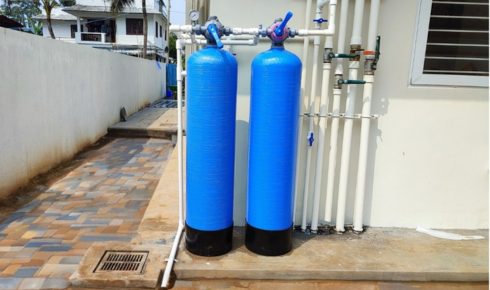
That’s where water softeners quietly step in. They don’t make a big show of it—they just reduce the minerals like calcium and magnesium that cause hardness. The result? Soap lathers better, clothes feel softer, and appliances don’t struggle as much.

It’s one of those upgrades that feels small at first but adds up over time. Less scaling, fewer repairs, and honestly, a more comfortable daily routine.


Looking Beyond Just One Faucet

Here’s where things get interesting. Many people start with a single filter—maybe in the kitchen or attached to a specific tap. It makes sense. It’s a good starting point.

But then you realize… what about the shower? Or the washing machine? Or even the water you’re using to brush your teeth?

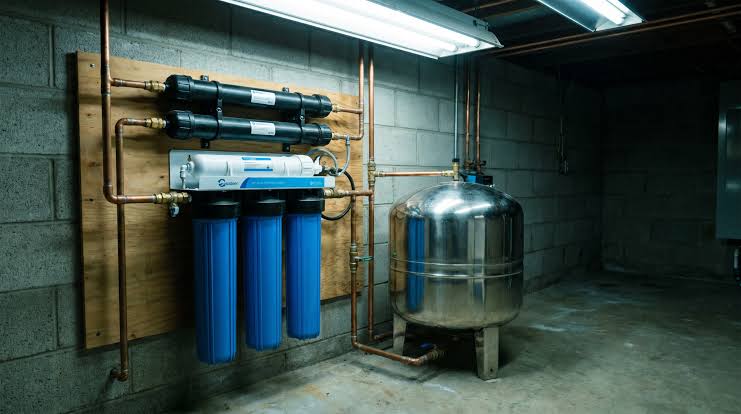
That’s when the idea of whole home water filtration starts to feel less like a luxury and more like a logical next step. Instead of treating water at one point, you’re addressing it at the source—before it flows through your entire system.

And there’s something reassuring about that. It’s not just about drinking water anymore. It’s about everything—bathing, cleaning, cooking, even the air quality (since water can affect humidity and steam).


Drinking Water: Where Precision Matters Most

Now, when it comes to what you actually drink, expectations shift a bit. You want more than “good enough.” You want clarity, purity, consistency.

This is where reverse osmosis systems often come into play. They’re designed to go deeper—removing dissolved solids, certain chemicals, and even microscopic impurities that other systems might miss.

The result is water that tastes crisp, almost neutral in the best possible way. No aftertaste, no guesswork.

Of course, not everyone needs that level of filtration. But for those who do—especially in areas with higher contamination concerns—it can make a noticeable difference.


It’s Not One-Size-Fits-All (And That’s Okay)

Here’s the thing people don’t always say upfront: there isn’t a “perfect” system that works for everyone.

Your water source matters. So does your local infrastructure, your household size, your daily usage habits. Even personal preference plays a role—some people are more sensitive to taste or texture than others.

That’s why choosing a solution isn’t just about picking the most advanced system on the market. It’s about understanding your own water first. Sometimes a simple test can reveal more than you expect.

And once you know what you’re dealing with, the path forward becomes clearer.


The Quiet Benefits You Notice Over Time

What’s interesting is that the biggest benefits of better water aren’t always immediate. They sneak up on you.

Your shower glass stays cleaner longer. Your appliances seem to last a bit more than expected. You buy fewer cleaning products. Your skin feels… just a little better, especially during dry seasons.

It’s not dramatic. It’s subtle. But it’s consistent.

And in a way, that’s what makes it worthwhile. It’s not about a single “wow” moment—it’s about improving dozens of small moments throughout your day.


Maintenance: The Part Nobody Talks About (But Should)

Of course, no system runs forever without a little care. Filters need replacing. Units need occasional checks.

But it’s usually less complicated than people assume. Most modern systems are designed with ease in mind—quick swaps, simple indicators, minimal hassle.

And honestly, once it becomes part of your routine, it barely feels like maintenance at all. More like a quiet habit that keeps things running smoothly.


So… Is It Worth It?

That depends on what you value.

If water is just something that comes out of a tap and disappears down the drain, maybe not. But if you start to see it as part of your health, your comfort, your home’s longevity—it begins to feel different.

Cleaner water doesn’t shout for attention. It doesn’t demand recognition. But it shows up in small, meaningful ways, every single day.

And maybe that’s the point. Not everything valuable needs to be obvious. Sometimes, it’s the things working quietly in the background that make the biggest difference.

When Water Feels Different: A Real-World Guide to Making It Better at Home
0

There’s a moment most homeowners recognize, though we rarely talk about it. You turn on the tap, fill a glass, take a sip—and something feels… off. Not bad, exactly. Just not right. Maybe it’s a faint metallic note, or that dry feeling on your skin after a shower. It lingers in the back of your mind longer than it should.

Water, after all, is something we expect to just work. Clean, clear, invisible in its perfection. But in reality, it’s one of the most variable parts of a home—and one of the most overlooked.


Understanding What’s Really Coming Out of Your Tap

Most people assume their water is fine because it meets local safety standards. And sure, it probably does. But “safe” doesn’t always mean ideal. Municipal systems treat water to remove harmful contaminants, yet minerals, chlorine, sediments, and trace elements can still make their way into your home.

That’s where awareness starts to matter. Not in a paranoid, overthinking way—but in a practical, everyday sense. If your dishes come out spotted, your hair feels brittle, or your appliances wear out faster than expected, your water might be quietly telling you something.

This is where residential water quality becomes more than just a phrase—it becomes a lived experience. It’s about how water behaves in your home, not just how it’s tested at a facility miles away.


Why Small Changes in Water Make a Big Difference

It’s easy to underestimate water. We drink it, cook with it, bathe in it—yet we rarely think about how it interacts with everything else. Soap doesn’t lather properly in hard water. Coffee tastes dull. Even laundry can feel stiff, like it never quite got clean.

And over time, those little annoyances add up.

Think of it like air quality. You don’t notice it when it’s good. But when it’s not, everything feels slightly harder—breathing, sleeping, even concentrating. Water works the same way, just more quietly.

Improving it doesn’t just change one thing. It improves dozens of small, everyday experiences all at once.


Exploring Practical Options Without Overcomplicating It

Let’s be honest—once you start looking into filtration systems, things can get overwhelming fast. There are softeners, carbon filters, reverse osmosis units, UV purifiers… it’s a lot.

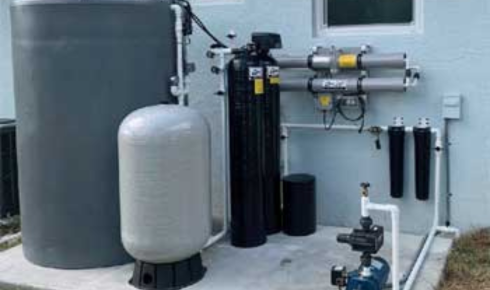
But at its core, choosing water treatment solutions isn’t about buying the most advanced system. It’s about understanding your specific water and solving for that.

If your main issue is hardness, a softener might be enough. If chlorine taste bothers you, a carbon filter can help. Some homes need a combination. Others, surprisingly, don’t need much at all.

The key is starting simple. Test your water, identify the main concerns, and build from there. Not every home needs a complex setup—and not every expensive system guarantees better results.


The Subtle Power of Treating Water at the Source

There’s something appealing about fixing a problem at its root instead of patching it at different points. That’s exactly what a centralized approach to filtration does.

With whole home filtration, you’re not just improving drinking water—you’re treating every drop that enters your house. That means better showers, cleaner laundry, longer-lasting appliances, and even less buildup in your pipes over time.

It’s the kind of upgrade you don’t always notice immediately. But after a few weeks, when your skin feels less dry or your glassware stops looking cloudy, it starts to click.

And then, oddly enough, you wonder how you didn’t notice the difference before.


Real-Life Considerations That Don’t Show Up in Brochures

Here’s the part most guides skip: living with a system.

Filters need changing. Salt needs refilling. Occasionally, something needs servicing. None of it is complicated, but it does require a bit of consistency.

The good news? Once it becomes part of your routine, it’s no more disruptive than replacing a water bottle or cleaning a filter in your AC. You don’t think about it much—you just do it.

Another thing worth mentioning is space. Some systems are compact; others take up a corner of your utility area. It’s not a dealbreaker, but it’s something to plan for.

And then there’s cost. Not just upfront, but over time. The trick is to think long-term. Better water can reduce maintenance costs elsewhere—fewer plumbing issues, less appliance wear, even reduced spending on bottled water.


It’s Not About Perfection—It’s About Balance

You don’t need laboratory-grade purity in your home. You’re not running a research facility. What you need is balance—water that feels good, tastes clean, and supports your daily life without friction.

Some homeowners go all-in, installing advanced multi-stage systems. Others take a lighter approach, targeting just one or two issues. Both are valid.

What matters is that the solution fits your lifestyle, not the other way around.


A Quiet Upgrade That Changes More Than You Expect

There’s something satisfying about improving a part of your home that works in the background. No flashy design. No dramatic before-and-after photos. Just a subtle, consistent improvement in how things feel.

Better water won’t transform your life overnight. But it will make your mornings a little smoother, your routines a little easier, and your home a little more comfortable.

When Clean Water Becomes a Lifestyle Choice, Not Just a Utility

0

There’s a funny thing about water—you don’t really think about it until something feels off. Maybe it’s the taste, or the way your skin feels after a shower, or those stubborn white marks that refuse to leave your taps alone. It creeps into your awareness slowly, almost politely, until one day you’re standing there wondering if “normal” water is actually good enough.

That’s where most people begin. Not with urgency, but with curiosity. And from there, it turns into a bit of a journey—figuring out what’s in your water and what, if anything, you want to do about it.


The Everyday Impact You Don’t Always Notice

Water touches everything in your home, quite literally. It’s in your coffee, your laundry, your morning shower, even the glass of water you drink before bed. And yet, we tend to treat it like it’s all the same everywhere.

But it isn’t.

Hardness levels, chemical treatments, and local infrastructure all shape the quality of what flows through your pipes. Some homes deal with mineral-heavy water, while others are more concerned about taste or potential contaminants.

And this is where solutions start to branch out.


Softening the Experience at Home

Let’s talk about the feel of water first, because that’s often the most noticeable difference. If your soap struggles to lather or your hair feels dry no matter what conditioner you use, hard water could be the reason.

That’s where water softeners come into the picture. They don’t necessarily make water “cleaner” in the way people often assume, but they do make it behave better. By reducing minerals like calcium and magnesium, they improve how water interacts with your daily routine.

Showers feel smoother. Appliances deal with less scale buildup. Even your clothes might feel a bit softer coming out of the wash.

It’s not a dramatic transformation—but it’s a consistent one.


Drinking Water: A Different Kind of Concern

Now, when it comes to what you actually consume, the priorities shift. It’s less about how water feels and more about what’s in it.

That’s where reverse osmosis systems often come into the conversation. These systems go deeper, filtering out a wide range of impurities—from dissolved solids to certain heavy metals—depending on the setup.

People who install them often say the same thing: the taste changes. Not in a flashy, noticeable way, but enough that you start preferring it over bottled water.

It’s a quiet upgrade, but one that sticks with you.


Looking at the Bigger Picture

Of course, some homeowners prefer to take a more comprehensive approach. Instead of addressing specific points, they want everything covered—from the kitchen sink to the showerhead.

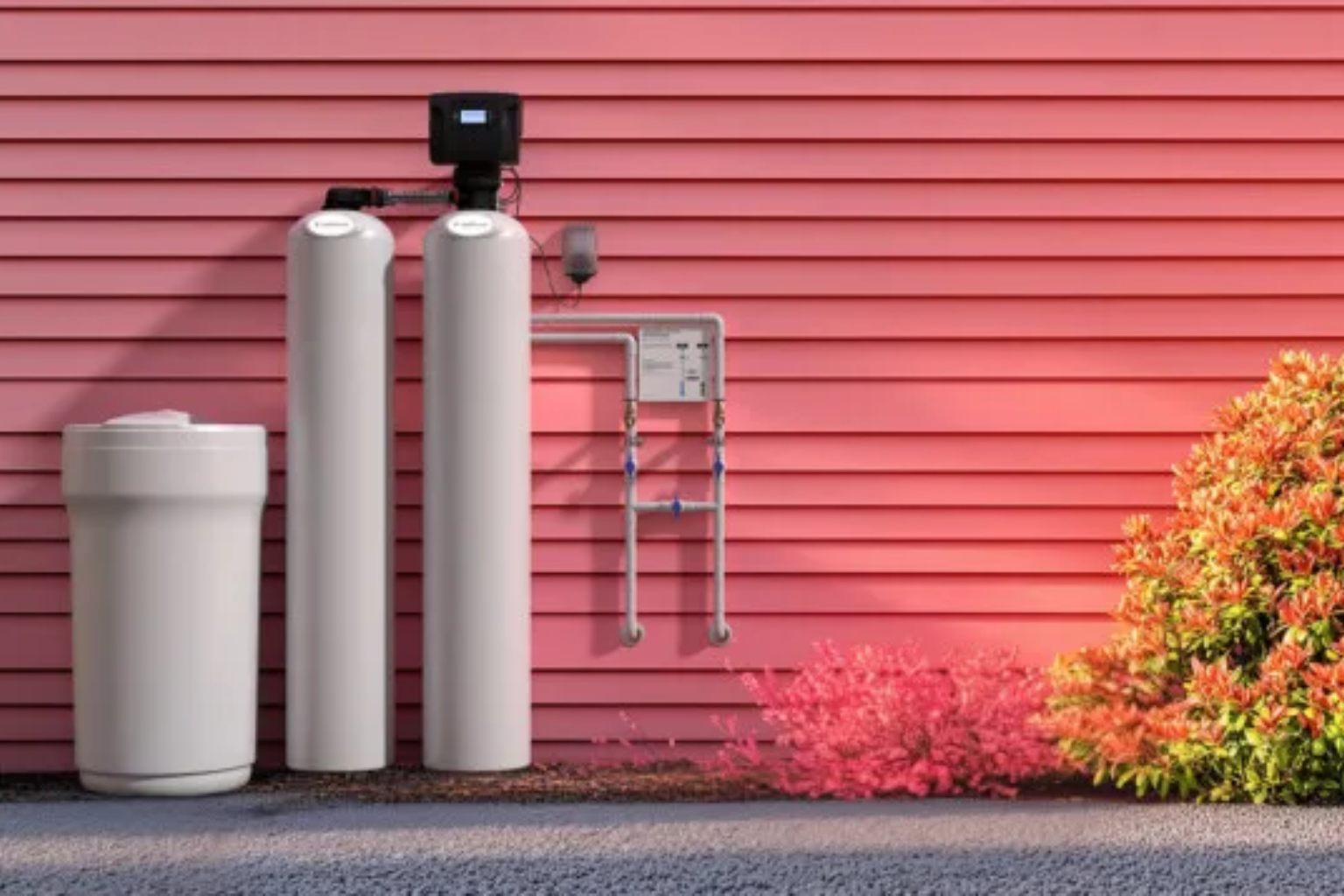
That’s where whole home filtration systems come in. Installed at the main water line, they treat all the water entering your home. It’s a kind of all-in solution, one that ensures consistency across every tap.

This approach isn’t always necessary for everyone, but in areas with significant water quality concerns, it can make a noticeable difference. Less chlorine smell in showers, reduced sediment, and a more uniform experience throughout the house.

It’s less about targeting one problem and more about creating an overall sense of balance.


Choosing Without Overcomplicating It

Here’s where things can get a little tricky. Once you start exploring options, it’s easy to get pulled into comparisons, features, and technical details that may or may not matter for your situation.

But honestly, the decision doesn’t need to feel heavy.

Start with your priorities. Is your concern mostly about drinking water? Or are you noticing issues across your entire home? Are you dealing with visible buildup, or is it more about taste and smell?

These questions tend to guide you more effectively than any spec sheet.


The Subtle Benefits That Add Up

One of the interesting things about improving water quality is how quietly it affects your life. You don’t wake up one day thinking, “Everything is different now.”

Instead, you notice small shifts.

Your kettle stays cleaner longer. Your skin feels less irritated. You stop buying bottled water without even realizing it. Over time, these little changes stack up, creating a sense of ease you didn’t know you were missing.

And maybe that’s the real value—not a dramatic change, but a steady improvement in how things feel day to day.


Maintenance, Because Nothing Is Truly Set-and-Forget

It’s worth mentioning that no system is completely maintenance-free. Filters need replacing. Salt levels in softeners need checking. Occasionally, something might need a quick inspection.

But it’s rarely overwhelming. More like a routine you settle into, similar to changing air filters or servicing appliances.

The key is consistency, not perfection.


A Thought Before You Decide

If you’re still unsure which direction to take, that’s okay. Water systems aren’t something most people grow up understanding, and there’s no one-size-fits-all answer.

Sometimes, the best approach is to start small—address the most immediate concern and see how it feels. Other times, it makes sense to go all-in from the beginning.

What matters is that your choice reflects your home, your habits, and your comfort level.


Ending on a Simple Note

At the end of the day, clean water isn’t just about safety or function—it’s about how it fits into your life. How it feels, how it tastes, how little you have to think about it once everything’s in place.

And maybe that’s the goal. Not perfection, not over-engineering, but just… water that works the way you expect it to.

Quietly, reliably, without fuss.

When Better Water Becomes the Upgrade You Didn’t Know Your Home Needed

0

Most home improvements are easy to notice. Fresh paint changes how a room feels instantly. New lighting can completely transform a space. Even small décor updates catch your eye right away. But there’s another kind of upgrade — quieter, almost invisible — that can influence your daily life far more than you’d expect.

It’s your water.

For many homeowners, water is something they rarely think about until it starts causing small annoyances. Dishes that look cloudy, laundry that feels stiff, or tap water that tastes slightly off. These aren’t major problems, yet they slowly add up, creating a sense that something isn’t quite right.

And that’s usually when people begin realizing how much water quality quietly affects everything at home.

Why Water Isn’t the Same Everywhere

One of the biggest misconceptions about water is that it’s uniform. In reality, water quality varies widely depending on location, infrastructure, and natural environmental conditions.

Groundwater can pick up minerals like calcium, magnesium, and iron as it travels through soil layers. Municipal treatment processes remove harmful bacteria, but they often leave behind residual chlorine or dissolved solids.

The result? Water that may be perfectly safe — yet still affects taste, cleaning performance, and appliance efficiency.

This is where water treatment specialists play an important role. They analyze local water conditions and recommend solutions tailored to specific challenges rather than relying on generic fixes.

Understanding your water’s unique characteristics is often the first step toward improving it.

The Most Common Household Issue: Hard Water

For many homes, the biggest water challenge comes from mineral-heavy water, often referred to as hard water.

Hard water isn’t harmful to drink, but it can create a surprising number of everyday inconveniences. Soap struggles to lather properly, surfaces develop stubborn residue, and appliances gradually accumulate scale deposits.

Over time, this buildup can reduce efficiency and increase maintenance costs.

That’s why many homeowners turn to water softeners. These systems remove hardness minerals through ion exchange processes, replacing them with softer elements that improve water performance.

The difference can be noticeable almost immediately. Showers feel gentler on skin, cleaning becomes easier, and glassware dries without cloudy spots.

It’s one of those changes that feels subtle at first but becomes impossible to ignore once experienced.

Improving Drinking Water Quality

While softening systems address mineral-related issues, many homeowners also focus on improving drinking water specifically.

Tap water can contain residual chlorine, dissolved metals, and microscopic contaminants that affect taste and clarity.

This is where reverse osmosis systems often come into the picture. These systems use a semi-permeable membrane to remove extremely small particles, including dissolved salts and heavy metals.

The result is water that tastes cleaner, looks clearer, and provides an added level of reassurance.

Many homeowners who install reverse osmosis systems say the improvement in taste alone makes the investment worthwhile.

Coffee becomes richer, tea feels smoother, and hydration becomes more enjoyable overall.

The Everyday Benefits You Might Not Expect

Better water quality doesn’t just influence drinking — it affects daily life in ways people often overlook.

Laundry washed in softened water feels softer and retains its color longer. Soap and detergents dissolve more effectively, meaning smaller amounts are needed for cleaning tasks.

Appliances like dishwashers and water heaters operate more efficiently, reducing energy consumption and extending their lifespan.

Even small routines, like washing hands or rinsing fruits and vegetables, feel more comfortable and reassuring.

These improvements accumulate gradually, creating a noticeable difference in overall household comfort.

The Environmental and Financial Advantages

Investing in water treatment solutions also offers practical benefits beyond comfort.

Filtered drinking water reduces reliance on bottled water, significantly lowering plastic waste. Improved appliance efficiency leads to reduced energy consumption and fewer maintenance costs.

Over time, these factors can contribute to meaningful long-term savings.

Water treatment systems often pay for themselves through reduced repairs, lower utility bills, and decreased spending on bottled water.

Technology Is Transforming Water Care

Modern water treatment technology has evolved significantly in recent years. Many systems now include digital monitoring features that track water usage, filter performance, and maintenance needs.

Some systems can even adjust automatically based on changing water conditions, ensuring consistent performance without manual intervention.

This integration of technology makes water management more efficient and convenient than ever before.

The Emotional Comfort of Reliable Water

Perhaps the most overlooked benefit of improved water quality is peace of mind.

There’s reassurance in knowing that something as essential as water is consistently clean, safe, and reliable.

Daily routines become smoother. Cooking feels more enjoyable. Guests feel comfortable drinking from the tap.

These subtle emotional benefits often matter just as much as the practical improvements.

A Quiet Upgrade That Changes Everything

Water treatment may not be the most visible home improvement, but its impact is far-reaching. From better taste and improved appliance performance to environmental sustainability and long-term savings, the benefits touch nearly every aspect of daily life.

Finding the Right Water Solution for Your Home Without Overthinking It

0

Water is funny. We depend on it constantly, yet we rarely stop to evaluate it—until something feels off. Maybe your shower leaves a chalky film on the glass. Maybe your morning coffee tastes slightly metallic. Or maybe you’ve just grown tired of buying bottled water because you’re not fully confident in what’s coming out of your tap.

At some point, curiosity turns into research. And suddenly you’re wading through terms like filtration stages, TDS levels, hardness grains per gallon. It can feel overwhelming fast.

But here’s the thing: improving your water doesn’t have to be complicated. It just has to be thoughtful.

The Hard Water Reality

In many areas, hard water is simply a fact of life. Minerals like calcium and magnesium occur naturally, especially in groundwater. While not necessarily harmful to drink, they can wreak quiet havoc in a home.

Scale builds up inside water heaters. Faucets develop crusty residue. Soap struggles to lather properly. Skin may feel dry after a shower. Laundry comes out a little stiff.

That’s where water softeners come in.

Softening systems use an ion exchange process to reduce hardness minerals before they circulate through your plumbing. The difference isn’t dramatic in a flashy way—it’s subtle. Showers feel smoother. Cleaning takes less effort. Appliances operate more efficiently because scale isn’t building up inside them.

It’s one of those upgrades that quietly improves daily comfort without demanding attention.

Taste, Odor, and What’s Actually in Your Glass

Softening addresses minerals, but it doesn’t remove everything.

Municipal water often contains chlorine to keep it safe during distribution. While effective for sanitation, chlorine can affect taste and smell. Some people describe it as slightly “pool-like.” Others don’t notice it until they install a filter and suddenly realize what they were missing.

For households focused on drinking water quality specifically, reverse osmosis systems offer a more advanced option.

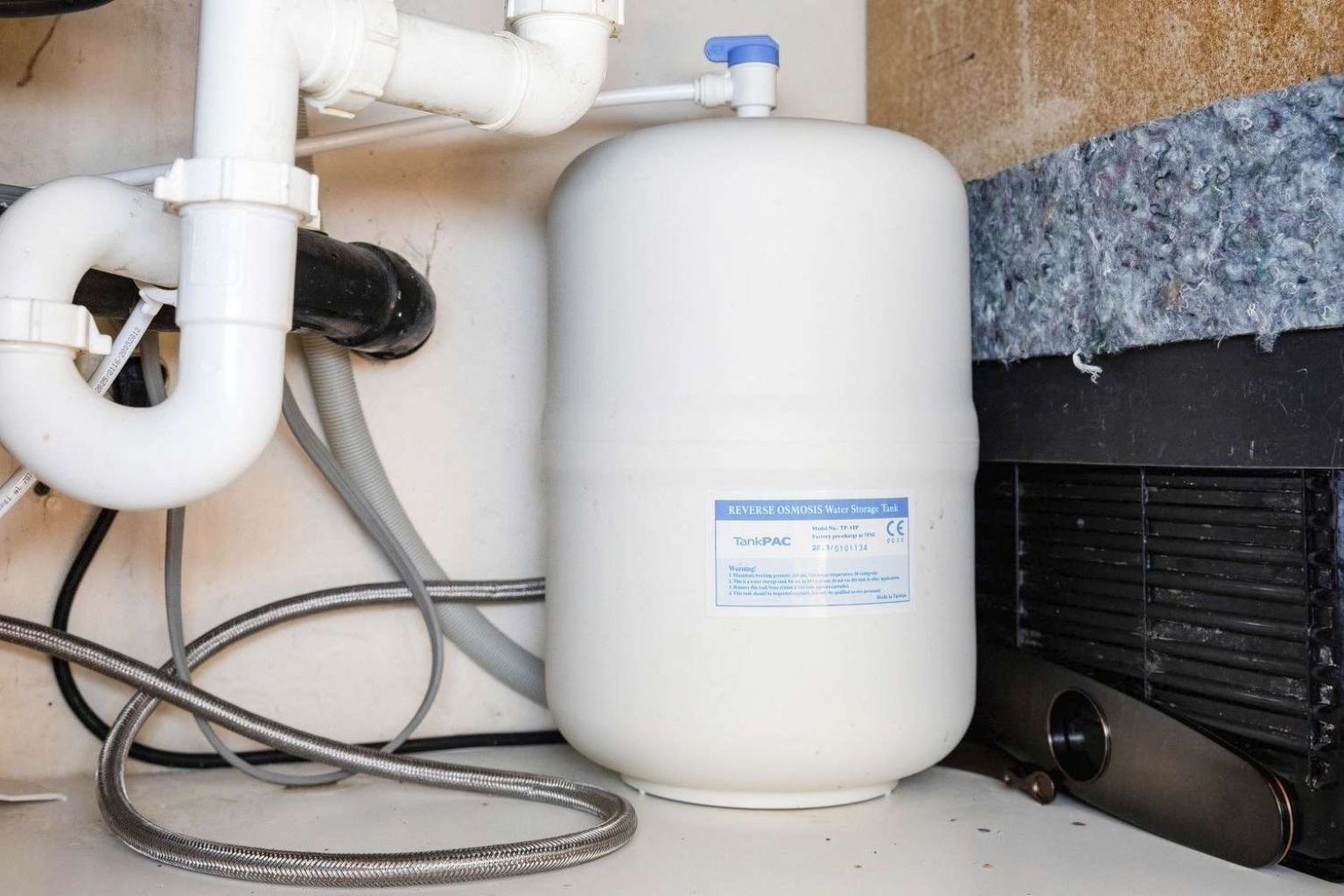
Reverse osmosis works by pushing water through a semi-permeable membrane that removes a wide range of dissolved contaminants—everything from certain heavy metals to residual salts. It’s typically installed under the kitchen sink, providing purified water for cooking and drinking.

The result? Clean, crisp water that often eliminates the need for bottled alternatives.

For many families, that alone feels like a win.

Thinking Beyond the Kitchen Sink

Sometimes, however, water concerns extend beyond just what’s in your drinking glass.

Maybe your home struggles with sediment after heavy rains. Maybe you notice chlorine odor in showers. Maybe you simply want consistent water quality throughout the house—not just at one faucet.

That’s where whole-home filtration systems enter the conversation.

Installed at the point where water enters the house, these systems treat water before it reaches any tap, appliance, or showerhead. They can reduce sediment, chlorine, and other common impurities depending on the filtration media used.

The benefit isn’t limited to taste. It’s about protecting plumbing, extending appliance life, and ensuring consistency everywhere water flows.

It’s comprehensive—but not excessive.

Starting With Testing, Not Assumptions

Before choosing any system, it’s wise to start with water testing.

Water quality varies significantly by region. Two homes a mile apart can have noticeably different mineral levels or chlorine concentrations. Guessing leads to overspending—or under-solving.

A professional water analysis provides clarity. Hardness readings. pH balance. Dissolved solids. Chlorine presence. Once you understand those numbers, the path forward becomes clearer.

You might discover you only need softening. Or perhaps drinking water filtration is your primary concern. Occasionally, a layered approach makes the most sense.

But informed decisions always outperform impulse buys.

Maintenance Is Manageable

One hesitation people often have is maintenance.

Yes, systems require care. Filters need replacement. Softener salt needs refilling. Membranes eventually wear out. But modern equipment is designed with simplicity in mind. Many systems include reminder indicators or digital alerts.

Routine upkeep prevents performance decline. It keeps water quality consistent. And it’s far less stressful than dealing with plumbing repairs caused by scale or sediment buildup.

Maintenance becomes habit, not headache.

The Subtle Emotional Benefit

There’s something reassuring about trusting your tap.

You fill a glass without second-guessing. You cook without worrying about taste. You shower without noticing mineral residue clinging to tiles.

Water fades back into the background of your daily routine.

And that’s exactly how it should be.

Avoiding the “More Is Better” Trap

It’s easy to assume the best solution involves installing everything available.

But more equipment doesn’t always mean better results.

If hardness is moderate and taste is fine, you may not need advanced filtration. If drinking water is your only concern, a point-of-use system might be sufficient.

The goal is balance—choosing solutions that match your specific water profile and lifestyle.

Thoughtful installation beats overcomplication every time.

Final Thoughts

Water influences nearly every part of home life, even when we don’t think about it. From appliance longevity to skin comfort to the taste of your morning coffee, quality matters.

By understanding how water softeners, reverse osmosis, and whole-home filtration each serve distinct roles, you can build a system that fits your needs without feeling overwhelmed.

Start with testing. Choose intentionally. Maintain consistently.

When your water feels clean, consistent, and reliable, it quietly supports everything else in your home.

And sometimes, that quiet reliability is the most satisfying upgrade of all.