

There’s something oddly comforting about turning on your tap and not having to think twice. No second guesses. No strange smell, no chalky residue on your glass, no quiet worry in the back of your mind. Just… water. Simple, clean, and reliable.
But let’s be honest—most of us do think about it. Maybe not every day, but often enough. You notice it when your kettle builds up scale faster than expected, or when your skin feels a bit dry after a shower. It’s those little nudges that make you realize water quality isn’t just a background detail—it’s part of your daily life.
And once you start paying attention, it opens up a whole conversation about how we treat water inside our homes.
What’s Really Coming Through Your Tap?
Water, by the time it reaches your home, has already been treated and regulated. That part is true. But what happens between the treatment plant and your kitchen sink? That’s where things get… a bit less predictable.
Pipes age. Minerals build up. Sometimes contaminants sneak in, not at dangerous levels, but enough to affect taste, smell, or long-term wear on appliances. Hard water, for instance, is incredibly common. It’s not unsafe—but it’s not exactly friendly either.
You might see it in the white residue on taps or feel it in stiff laundry. Over time, it can even shorten the lifespan of your plumbing fixtures.
The Subtle Difference Soft Water Makes
If you’ve ever stayed somewhere with noticeably softer water, you probably didn’t think much of it at the time. But your skin did. Your hair did. Even your coffee might have tasted slightly better.
That’s where water softeners quietly step in. They don’t make a big show of it—they just reduce the minerals like calcium and magnesium that cause hardness. The result? Soap lathers better, clothes feel softer, and appliances don’t struggle as much.
It’s one of those upgrades that feels small at first but adds up over time. Less scaling, fewer repairs, and honestly, a more comfortable daily routine.
Looking Beyond Just One Faucet
Here’s where things get interesting. Many people start with a single filter—maybe in the kitchen or attached to a specific tap. It makes sense. It’s a good starting point.
But then you realize… what about the shower? Or the washing machine? Or even the water you’re using to brush your teeth?
That’s when the idea of whole home water filtration starts to feel less like a luxury and more like a logical next step. Instead of treating water at one point, you’re addressing it at the source—before it flows through your entire system.
And there’s something reassuring about that. It’s not just about drinking water anymore. It’s about everything—bathing, cleaning, cooking, even the air quality (since water can affect humidity and steam).
Drinking Water: Where Precision Matters Most
Now, when it comes to what you actually drink, expectations shift a bit. You want more than “good enough.” You want clarity, purity, consistency.
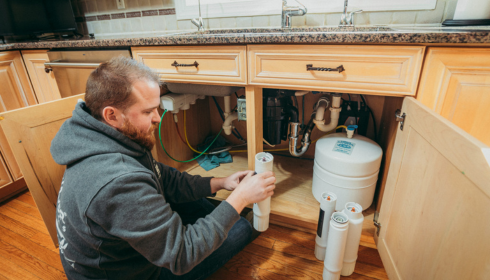
This is where reverse osmosis systems often come into play. They’re designed to go deeper—removing dissolved solids, certain chemicals, and even microscopic impurities that other systems might miss.
The result is water that tastes crisp, almost neutral in the best possible way. No aftertaste, no guesswork.
Of course, not everyone needs that level of filtration. But for those who do—especially in areas with higher contamination concerns—it can make a noticeable difference.
It’s Not One-Size-Fits-All (And That’s Okay)
Here’s the thing people don’t always say upfront: there isn’t a “perfect” system that works for everyone.
Your water source matters. So does your local infrastructure, your household size, your daily usage habits. Even personal preference plays a role—some people are more sensitive to taste or texture than others.
That’s why choosing a solution isn’t just about picking the most advanced system on the market. It’s about understanding your own water first. Sometimes a simple test can reveal more than you expect.
And once you know what you’re dealing with, the path forward becomes clearer.
The Quiet Benefits You Notice Over Time
What’s interesting is that the biggest benefits of better water aren’t always immediate. They sneak up on you.
Your shower glass stays cleaner longer. Your appliances seem to last a bit more than expected. You buy fewer cleaning products. Your skin feels… just a little better, especially during dry seasons.
It’s not dramatic. It’s subtle. But it’s consistent.
And in a way, that’s what makes it worthwhile. It’s not about a single “wow” moment—it’s about improving dozens of small moments throughout your day.
Maintenance: The Part Nobody Talks About (But Should)
Of course, no system runs forever without a little care. Filters need replacing. Units need occasional checks.
But it’s usually less complicated than people assume. Most modern systems are designed with ease in mind—quick swaps, simple indicators, minimal hassle.
And honestly, once it becomes part of your routine, it barely feels like maintenance at all. More like a quiet habit that keeps things running smoothly.
So… Is It Worth It?
That depends on what you value.
If water is just something that comes out of a tap and disappears down the drain, maybe not. But if you start to see it as part of your health, your comfort, your home’s longevity—it begins to feel different.
Cleaner water doesn’t shout for attention. It doesn’t demand recognition. But it shows up in small, meaningful ways, every single day.
And maybe that’s the point. Not everything valuable needs to be obvious. Sometimes, it’s the things working quietly in the background that make the biggest difference.

