

There’s something oddly personal about water. We don’t really think about it much—until something goes wrong. The taste changes. There’s a strange film on the shower tile. The kettle’s coated in limescale. That’s when you start googling, maybe a little panicked, maybe a bit confused: Do I need a filter? A softener? Is something in my water? And most importantly: Who can I trust to fix it?
That’s the thing about water—it’s not just a utility. It’s your coffee, your shower, your baby’s formula. It flows through your life. So the people who help you fix it? They need to be more than just technicians. They’ve got to be part scientist, part neighbor, part wizard.
The Big Problem Most Folks Don’t See Coming
Here’s what most people don’t realize: even if your water looks fine, that doesn’t mean it’s healthy, safe, or ideal for your home. Municipal systems do their best, but aging pipes, regional minerals, and old plumbing can turn a seemingly clean glass into a quiet saboteur of your appliances, pipes, and even your skin.
That’s where a good water treatment company steps in—not just selling you a filter and bouncing, but actually diagnosing your water like a doctor would a patient. The best ones ask questions. They test. They listen. And they tailor solutions to your needs, your house, and your local water profile.
Water Treatment: Not One Size Fits All (Not Even Close)
Let me give you a quick example. Jane from Denver installs a carbon filter because her neighbor swears by it. But her house has old galvanized pipes, and the chlorine levels in her water are higher. Result? It doesn’t do much. Meanwhile, Ron in Tampa has hard water, but goes all in on a reverse osmosis system. Great for taste, terrible for his water pressure—and way more than he actually needed.
Water is nuanced. It’s regional. It changes by season, city, even neighborhood. That’s why blindly buying the fanciest setup often backfires. The right approach? Calling in the water treatment experts who know the ropes. People who’ve dealt with your zip code, your water board, your challenges.
The Role of a Great Water Partner (Spoiler: It’s Not Sales)
Here’s a truth bomb: some companies just want to move units. Filters, softeners, add-ons—they upsell before they understand your problem. The good ones though? They’re in it for the long game. They want you to have better water five years from now, not just five minutes after installation.
A genuine company will test your water on-site. They’ll talk about maintenance cycles, not just installation. They’ll help you understand the tradeoffs—because there are always tradeoffs. Cleaner water might mean more frequent filter changes. Softer water can be better for pipes but might taste a little different. Honesty matters.
So if someone’s only talking features and not asking questions? Red flag.
Let’s Talk About “Soft” Water – and Why It’s Not Just a Buzzword
You’ve probably heard the term “soft water.” Maybe you even have a vague idea that it’s good for your hair or that it makes soap lather better. That’s true—but the science goes deeper.
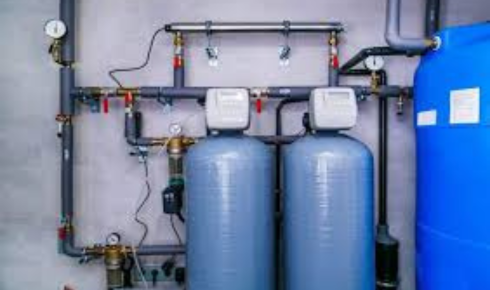
Hard water is loaded with calcium and magnesium. It might not hurt you, but it definitely hurts your appliances, clogs your pipes, stains your fixtures, and leaves your skin dry and itchy. Enter water soft systems—setups that exchange those minerals for sodium or potassium ions. The result? Silky-feeling water that’s gentler on everything.
But again, here’s the catch: softeners aren’t ideal for everyone. You might want a combo system if you’re also dealing with iron or sediment. Or a separate drinking line if you’re sensitive to sodium. That’s why you don’t just “buy” a softener—you consult, assess, and then choose the best system for you.
Real Homes, Real People, Real Impact
I once spoke to a family in Arizona who struggled for years with water that smelled faintly of sulfur. Plumbers blamed the pipes. The city blamed the well. It wasn’t until they called a small, local treatment team that they found the truth: it was hydrogen sulfide and bacterial iron, a weird mix that needed a custom oxidizing filter and UV disinfection.
A few tweaks, and boom—the smell was gone, the water tasted crisp, and the kids stopped complaining about showers.
It wasn’t magic. It was just the right team, using the right tools, with the right intent.
What Should You Look For in a Water Treatment Partner?
Here’s a quick list—not a checklist, but a vibe-check:
- Transparency – Are they explaining things in plain English?
- Local Knowledge – Do they know your area’s water problems?
- Customization – Are they offering tailored solutions, or one-size-fits-all?
- Service Support – Will they come back if things go sideways?
- Credentials – Are they certified, trained, or recommended?
And perhaps most importantly: do they listen? Because your water story is yours. The best water treatment company treats it that way.
It’s Not Just About Fixing Water—It’s About Trust
At the end of the day, water treatment isn’t about filters or flow rates. It’s about trust. You’re handing someone the responsibility to fix something you rely on every single day. Something invisible, yet essential. That takes more than tools—it takes care.
So whether you’re dealing with rotten egg smells, hard water woes, or just curious if your tap could taste better—don’t settle. Ask questions. Seek experts. Expect conversations, not just contracts.
Because good water is more than a luxury—it’s a quiet, daily kind of wellness. And the people who make that happen? They deserve more than a quick google. They deserve your attention.

