

There’s a moment most homeowners recognize, though we rarely talk about it. You turn on the tap, fill a glass, take a sip—and something feels… off. Not bad, exactly. Just not right. Maybe it’s a faint metallic note, or that dry feeling on your skin after a shower. It lingers in the back of your mind longer than it should.
Water, after all, is something we expect to just work. Clean, clear, invisible in its perfection. But in reality, it’s one of the most variable parts of a home—and one of the most overlooked.
Understanding What’s Really Coming Out of Your Tap
Most people assume their water is fine because it meets local safety standards. And sure, it probably does. But “safe” doesn’t always mean ideal. Municipal systems treat water to remove harmful contaminants, yet minerals, chlorine, sediments, and trace elements can still make their way into your home.
That’s where awareness starts to matter. Not in a paranoid, overthinking way—but in a practical, everyday sense. If your dishes come out spotted, your hair feels brittle, or your appliances wear out faster than expected, your water might be quietly telling you something.
This is where residential water quality becomes more than just a phrase—it becomes a lived experience. It’s about how water behaves in your home, not just how it’s tested at a facility miles away.
Why Small Changes in Water Make a Big Difference
It’s easy to underestimate water. We drink it, cook with it, bathe in it—yet we rarely think about how it interacts with everything else. Soap doesn’t lather properly in hard water. Coffee tastes dull. Even laundry can feel stiff, like it never quite got clean.
And over time, those little annoyances add up.
Think of it like air quality. You don’t notice it when it’s good. But when it’s not, everything feels slightly harder—breathing, sleeping, even concentrating. Water works the same way, just more quietly.
Improving it doesn’t just change one thing. It improves dozens of small, everyday experiences all at once.
Exploring Practical Options Without Overcomplicating It
Let’s be honest—once you start looking into filtration systems, things can get overwhelming fast. There are softeners, carbon filters, reverse osmosis units, UV purifiers… it’s a lot.
But at its core, choosing water treatment solutions isn’t about buying the most advanced system. It’s about understanding your specific water and solving for that.
If your main issue is hardness, a softener might be enough. If chlorine taste bothers you, a carbon filter can help. Some homes need a combination. Others, surprisingly, don’t need much at all.
The key is starting simple. Test your water, identify the main concerns, and build from there. Not every home needs a complex setup—and not every expensive system guarantees better results.
The Subtle Power of Treating Water at the Source
There’s something appealing about fixing a problem at its root instead of patching it at different points. That’s exactly what a centralized approach to filtration does.
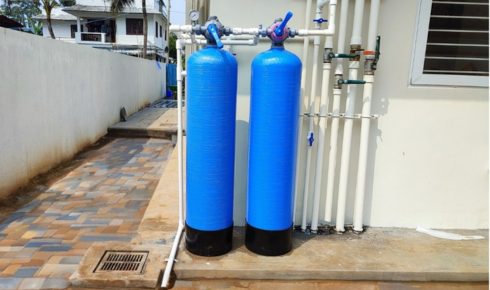
With whole home filtration, you’re not just improving drinking water—you’re treating every drop that enters your house. That means better showers, cleaner laundry, longer-lasting appliances, and even less buildup in your pipes over time.
It’s the kind of upgrade you don’t always notice immediately. But after a few weeks, when your skin feels less dry or your glassware stops looking cloudy, it starts to click.
And then, oddly enough, you wonder how you didn’t notice the difference before.
Real-Life Considerations That Don’t Show Up in Brochures
Here’s the part most guides skip: living with a system.
Filters need changing. Salt needs refilling. Occasionally, something needs servicing. None of it is complicated, but it does require a bit of consistency.
The good news? Once it becomes part of your routine, it’s no more disruptive than replacing a water bottle or cleaning a filter in your AC. You don’t think about it much—you just do it.
Another thing worth mentioning is space. Some systems are compact; others take up a corner of your utility area. It’s not a dealbreaker, but it’s something to plan for.
And then there’s cost. Not just upfront, but over time. The trick is to think long-term. Better water can reduce maintenance costs elsewhere—fewer plumbing issues, less appliance wear, even reduced spending on bottled water.
It’s Not About Perfection—It’s About Balance
You don’t need laboratory-grade purity in your home. You’re not running a research facility. What you need is balance—water that feels good, tastes clean, and supports your daily life without friction.
Some homeowners go all-in, installing advanced multi-stage systems. Others take a lighter approach, targeting just one or two issues. Both are valid.
What matters is that the solution fits your lifestyle, not the other way around.
A Quiet Upgrade That Changes More Than You Expect
There’s something satisfying about improving a part of your home that works in the background. No flashy design. No dramatic before-and-after photos. Just a subtle, consistent improvement in how things feel.
Better water won’t transform your life overnight. But it will make your mornings a little smoother, your routines a little easier, and your home a little more comfortable.

