

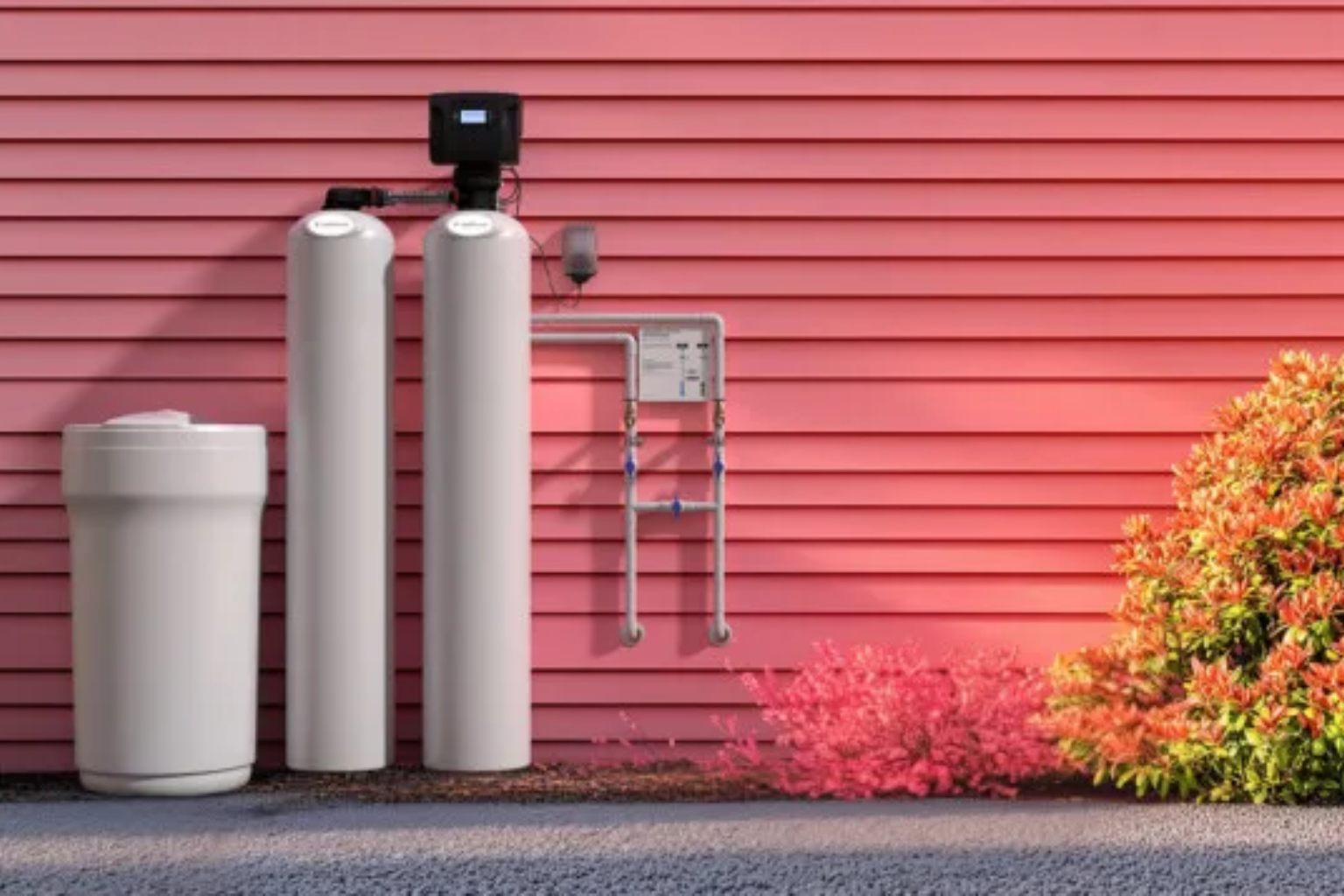
Most home improvements are easy to notice. Fresh paint changes how a room feels instantly. New lighting can completely transform a space. Even small décor updates catch your eye right away. But there’s another kind of upgrade — quieter, almost invisible — that can influence your daily life far more than you’d expect.
It’s your water.
For many homeowners, water is something they rarely think about until it starts causing small annoyances. Dishes that look cloudy, laundry that feels stiff, or tap water that tastes slightly off. These aren’t major problems, yet they slowly add up, creating a sense that something isn’t quite right.
And that’s usually when people begin realizing how much water quality quietly affects everything at home.
Why Water Isn’t the Same Everywhere
One of the biggest misconceptions about water is that it’s uniform. In reality, water quality varies widely depending on location, infrastructure, and natural environmental conditions.
Groundwater can pick up minerals like calcium, magnesium, and iron as it travels through soil layers. Municipal treatment processes remove harmful bacteria, but they often leave behind residual chlorine or dissolved solids.
The result? Water that may be perfectly safe — yet still affects taste, cleaning performance, and appliance efficiency.
This is where water treatment specialists play an important role. They analyze local water conditions and recommend solutions tailored to specific challenges rather than relying on generic fixes.
Understanding your water’s unique characteristics is often the first step toward improving it.
The Most Common Household Issue: Hard Water
For many homes, the biggest water challenge comes from mineral-heavy water, often referred to as hard water.
Hard water isn’t harmful to drink, but it can create a surprising number of everyday inconveniences. Soap struggles to lather properly, surfaces develop stubborn residue, and appliances gradually accumulate scale deposits.
Over time, this buildup can reduce efficiency and increase maintenance costs.
That’s why many homeowners turn to water softeners. These systems remove hardness minerals through ion exchange processes, replacing them with softer elements that improve water performance.
The difference can be noticeable almost immediately. Showers feel gentler on skin, cleaning becomes easier, and glassware dries without cloudy spots.
It’s one of those changes that feels subtle at first but becomes impossible to ignore once experienced.
Improving Drinking Water Quality
While softening systems address mineral-related issues, many homeowners also focus on improving drinking water specifically.
Tap water can contain residual chlorine, dissolved metals, and microscopic contaminants that affect taste and clarity.
This is where reverse osmosis systems often come into the picture. These systems use a semi-permeable membrane to remove extremely small particles, including dissolved salts and heavy metals.
The result is water that tastes cleaner, looks clearer, and provides an added level of reassurance.
Many homeowners who install reverse osmosis systems say the improvement in taste alone makes the investment worthwhile.
Coffee becomes richer, tea feels smoother, and hydration becomes more enjoyable overall.
The Everyday Benefits You Might Not Expect
Better water quality doesn’t just influence drinking — it affects daily life in ways people often overlook.
Laundry washed in softened water feels softer and retains its color longer. Soap and detergents dissolve more effectively, meaning smaller amounts are needed for cleaning tasks.
Appliances like dishwashers and water heaters operate more efficiently, reducing energy consumption and extending their lifespan.
Even small routines, like washing hands or rinsing fruits and vegetables, feel more comfortable and reassuring.
These improvements accumulate gradually, creating a noticeable difference in overall household comfort.
The Environmental and Financial Advantages
Investing in water treatment solutions also offers practical benefits beyond comfort.
Filtered drinking water reduces reliance on bottled water, significantly lowering plastic waste. Improved appliance efficiency leads to reduced energy consumption and fewer maintenance costs.
Over time, these factors can contribute to meaningful long-term savings.
Water treatment systems often pay for themselves through reduced repairs, lower utility bills, and decreased spending on bottled water.
Technology Is Transforming Water Care
Modern water treatment technology has evolved significantly in recent years. Many systems now include digital monitoring features that track water usage, filter performance, and maintenance needs.
Some systems can even adjust automatically based on changing water conditions, ensuring consistent performance without manual intervention.
This integration of technology makes water management more efficient and convenient than ever before.
The Emotional Comfort of Reliable Water
Perhaps the most overlooked benefit of improved water quality is peace of mind.
There’s reassurance in knowing that something as essential as water is consistently clean, safe, and reliable.
Daily routines become smoother. Cooking feels more enjoyable. Guests feel comfortable drinking from the tap.
These subtle emotional benefits often matter just as much as the practical improvements.
A Quiet Upgrade That Changes Everything
Water treatment may not be the most visible home improvement, but its impact is far-reaching. From better taste and improved appliance performance to environmental sustainability and long-term savings, the benefits touch nearly every aspect of daily life.

