Home Blog Page 8

The Benefits of Installing an SFA Sanicubic Pump as a Lift Station

For many homes and businesses, building or expanding into areas where gravity drainage is not feasible can pose serious plumbing challenges. This is where lift stations come in, providing an efficient way to handle wastewater and ensure reliable drainage in any setting. SFA Sanicubic pumps are specifically designed for these scenarios, combining robust technology with high efficiency. Here’s a closer look at the benefits of using Sanicubic pumps for lift station applications in both residential and commercial settings.


1. Powerful, High-Capacity Wastewater Management

The Sanicubic range is engineered to handle substantial volumes of wastewater, making it suitable for locations with high usage.

  • High-Performance Motors: Sanicubic pumps feature powerful motors capable of handling high flow rates, even for properties with multiple fixtures or heavy commercial use.
  • Efficient Pumping: These pumps can lift wastewater vertically to the main sewer line, enabling effective drainage in basements or low-lying spaces where gravity drainage would typically fail.
  • Grinder Technology: Many Sanicubic models come with grinder blades that break down waste, preventing clogs and ensuring smooth operation.

Example: In a busy commercial kitchen or healthcare facility, where heavy water usage and debris are common, the Sanicubic’s powerful motor and grinder system effectively manage high volumes of waste and prevent downtime caused by clogs.


2. Flexibility in Installation Location

With a Sanicubic pump as a lift station, property owners gain flexibility in where they can add or expand facilities without relying on traditional plumbing layouts.

  • Compact and Self-Contained: Sanicubic pumps are compact, allowing them to fit in confined areas like utility closets or basement corners, ideal for retrofits or renovations.
  • Simple Setup: These pumps are designed for easy connection to a variety of fixtures, from toilets to kitchen sinks, simplifying installation in both residential and commercial environments.

Example: A homeowner converting a basement into a fully functional apartment can rely on a Sanicubic pump to handle waste from the bathroom, kitchen, and laundry, all from a single unit.


3. Reliable and Durable Performance in Demanding Applications

Sanicubic pumps are designed for rigorous daily use, ensuring dependable performance even in high-demand applications.

  • Heavy-Duty Construction: These pumps are built with durable materials and components designed to withstand constant operation and challenging wastewater loads.
  • Backup and Alarm Systems: Many Sanicubic models come equipped with alarms and dual motors, providing a fail-safe for continuous performance, which is especially beneficial for commercial properties that can’t afford downtime.

Example: In a hotel or office building, a Sanicubic pump with dual motors provides reliability, as one motor can take over if the other fails, ensuring uninterrupted operation and peace of mind for building managers.


4. Environmentally Friendly Wastewater Management

By enabling wastewater to be pumped and treated efficiently, Sanicubic pumps support eco-friendly waste management.

  • Energy-Efficient Operation: Sanicubic pumps are engineered to minimize energy consumption without sacrificing performance, making them an energy-efficient solution for large or small properties.
  • Optimized for Water Conservation: By enabling effective drainage and processing of grey and black water, Sanicubic pumps contribute to efficient water management within the property.

Example: In a residential setting, the Sanicubic pump conserves energy and ensures effective drainage, reducing reliance on additional water treatment or septic systems in off-grid or rural locations.


5. Ideal for a Range of Applications

Sanicubic pumps are versatile and can be used across diverse settings, including homes, multi-unit buildings, and various commercial spaces.

  • Residential Applications: Ideal for basement conversions, garage apartments, or any additional bathrooms in areas without direct access to main drainage.
  • Commercial Applications: Suited for restaurants, healthcare facilities, retail spaces, and industrial buildings, where high-capacity waste handling is required.

Example: For a restaurant that has a sink and dishwasher setup in a basement kitchen, a Sanicubic pump can reliably lift wastewater to the main line, keeping operations running smoothly and preventing costly drainage issues.


6. Reduced Installation and Maintenance Costs

Sanicubic pumps are designed with user-friendly features that make installation and maintenance hassle-free.

  • Plug-and-Play Installation: These pumps come pre-assembled and require minimal setup, reducing labor and installation time.
  • Easy Access for Maintenance: Many models allow access to critical components without needing to remove the entire pump, making it easier for property owners or maintenance staff to perform routine checks and repairs.

Example: In a multi-story residential building, a Sanicubic pump’s accessible design means that routine maintenance or part replacement can be performed quickly and without extensive plumbing alterations.


Conclusion

SFA Sanicubic pumps are a powerful and flexible solution for handling wastewater in both residential and commercial applications. By providing efficient lift station capabilities, these pumps offer peace of mind to property owners and managers by ensuring reliable drainage, reducing installation costs, and minimizing maintenance needs. Whether you’re adding a bathroom in your basement or managing a commercial space with high wastewater demands, the Sanicubic range is equipped to meet diverse and demanding lift station requirements.

เยี่ยมชมเว็บไซต์สล็อตสด Pgneko88 PG ตอนนี้เพื่อสัมผัสความสนุกและความตื่นเต้นจากสล็อตสดที่ดีที่สุดในปี 2025

0

ในยุคที่เกมออนไลน์เติบโตอย่างต่อเนื่อง เว็บไซต์สดกลายเป็นจุดหมายที่หลายคนกำลังมองหา เพราะไม่เพียงแต่ให้ความบันเทิง แต่ยังมอบประสบการณ์ที่แตกต่างและเต็มไปด้วยความตื่นเต้น การเลือกเล่นกับเว็บไซต์สล็อตสดที่มีคุณภาพอย่าง Pgneko88 PG จึงกลายเป็นทางเลือกที่ตอบโจทย์ผู้เล่นจำนวนมาก โดยเฉพาะในปี 2025 ที่เกมและโปรโมชั่นได้รับการอัปเดตให้ดียิ่งขึ้น พร้อมส่วนลดและข้อเสนอที่ไม่ควรพลาด

เว็บไซต์สล็อตสด pg slot 2025 ไม่ได้เป็นเพียงสถานที่สำหรับความสนุกเท่านั้น แต่ยังเป็นศูนย์รวมของเกม สล็อต pg ดั้งเดิม และเว็บไซต์สล็อต pg ทั้งหมดที่นำเสนอคุณภาพและระบบการเล่นที่ลื่นไหล การเข้าถึงเว็บไซต์หลักของ pg slot หรือเลือกเว็บไซต์สด ระบบ Live Slot Web API 100% ช่วยทำให้ผู้เล่นมั่นใจในความปลอดภัยและความเสถียรของระบบ อีกทั้งยังสามารถดาวน์โหลด pg slot เวอร์ชั่นล่าสุด บนมือถือ ทั้ง android และ ios เพื่อความสะดวกสบายในการเล่นได้ทุกที่ทุกเวลา

เหตุผลที่ควรเลือกเว็บไซต์สล็อตสด Pgneko88 PG

การเลือกเล่นกับเว็บไซต์สล็อตสดที่ได้มาตรฐานเป็นสิ่งสำคัญ เว็บไซต์สล็อตสดอันดับ 1 pg slot มอบทั้งความมั่นใจ ความสนุก และระบบที่ใช้งานง่าย สล็อตสดตอนนี้ ถือเป็นหนึ่งในรูปแบบที่ผู้เล่นหลายคนชื่นชอบ เพราะสามารถสัมผัสประสบการณ์การเล่นที่สมจริง และยังมีโปรโมชั่นที่ออกมาอย่างต่อเนื่อง

เว็บไซต์สล็อตสด pg ไม่เพียงแต่มีเกมให้เลือกมากมาย แต่ยังออกแบบมาเพื่อให้รองรับผู้เล่นทุกกลุ่ม ไม่ว่าคุณจะเป็นมือใหม่หรือผู้เล่นที่มีประสบการณ์ เว็บสล็อตดั้งเดิมอันดับ 1 อย่าง Pgneko88 PG ช่วยสร้างบรรยากาศที่เป็นมิตร และระบบที่เชื่อถือได้

ความโดดเด่นของเว็บไซต์สล็อต pg ทั้งหมด

เว็บไซต์สล็อต pg ทั้งหมด รวบรวมเกมที่เต็มไปด้วยความแปลกใหม่และฟีเจอร์พิเศษ ไม่ว่าจะเป็นสล็อต pg ดั้งเดิม หรือเกมใหม่ที่เพิ่งเปิดตัว ทุกเกมถูกพัฒนาเพื่อมอบภาพกราฟิกที่สวยงาม เสียงประกอบที่สมจริง และระบบโบนัสที่หลากหลาย เว็บไซต์สด ก้าวกระโดดครั้งใหญ่ ทำให้ผู้เล่นมั่นใจได้ว่าจะได้รับประสบการณ์ที่แตกต่างจากที่เคยเจอมาก่อน

เว็บไซต์สด ไม่ต้องผ่านตัวแทน ยังช่วยสร้างความมั่นใจให้กับผู้เล่นได้มากขึ้น เพราะทุกการเชื่อมต่อและทุกการเข้าใช้งานสามารถทำได้โดยตรงที่เว็บไซต์หลักของ pg slot จึงไม่ต้องกังวลเกี่ยวกับความปลอดภัยหรือการถูกโกง

การดาวน์โหลดและติดตั้งแอพพลิเคชั่น pgslot ดาวน์โหลด pg slot เวอร์ชั่นล่าสุด

เพื่อให้การเล่นสะดวกและทันสมัยยิ่งขึ้น ผู้เล่นสามารถดาวน์โหลด pg slot เวอร์ชั่นล่าสุด ได้อย่างง่ายดาย แอพพลิเคชั่นถูกออกแบบมาให้รองรับทั้งระบบ android และ ios เพียงแค่ไม่กี่ขั้นตอนก็สามารถติดตั้งและเริ่มต้นเล่นได้ทันที

ดาวน์โหลดและติดตั้งแอพพลิเคชั่น pgslot

ผู้เล่นสามารถเลือกดาวน์โหลดและติดตั้งแอพพลิเคชั่น pgslot ผ่านเว็บไซต์สล็อตสด pg slot เบรกหนัก หรือ เว็บไซต์สล็อตสด pg เบรกหนัก 2025 ที่พร้อมอัปเดตระบบใหม่เสมอ การเล่นผ่านมือถือยังมอบความสะดวกสบายและความรวดเร็ว เพราะสามารถเข้าเล่นเกมได้ตลอดเวลา

ดาวน์โหลด pg slot เวอร์ชั่นล่าสุดบนมือถือ

ไม่ว่าจะเป็น android หรือ ios การดาวน์โหลด pg slot เวอร์ชั่นล่าสุดบนมือถือ ช่วยให้ผู้เล่นเข้าถึงเว็บไซต์สดได้ง่ายขึ้น เล่นที่ไหนก็ได้ทุกเวลา พร้อมโปรโมชั่นและข้อเสนอสุดพิเศษที่รองรับการใช้งานทุกแพลตฟอร์ม

เว็บไซต์สล็อตสด pg slot เบรกหนักกับความท้าทายในปี 2025

เว็บไซต์สล็อตสด pg slot เบรกหนัก กำลังเป็นที่นิยมอย่างมาก เพราะมอบทั้งความสนุกและโอกาสในการชนะที่น่าตื่นเต้น ด้วยระบบที่เสถียรและการอัปเดตเกมใหม่อย่างต่อเนื่อง ปี 2025 จึงถือเป็นก้าวสำคัญสำหรับเว็บไซต์สด pg เบรกหนัก 2025 ที่ยกระดับการให้บริการให้ดียิ่งขึ้น

เว็บไซต์สด ก้าวกระโดดครั้งใหญ่ ทำให้ผู้เล่นสามารถเข้าถึงเกมคุณภาพสูงได้อย่างมั่นใจ ด้วยระบบ Live Slot Web API 100% ที่มีความปลอดภัยสูงและรองรับการเชื่อมต่ออย่างไร้รอยต่อ ทุกครั้งที่เข้าเล่นจึงเต็มไปด้วยความราบรื่น

เว็บไซต์สด Pgneko88 PG ได้พิสูจน์แล้วว่าเป็นหนึ่งในเว็บไซต์สล็อตสดที่ดีที่สุดในปี 2025 เพราะไม่เพียงแต่รวบรวมเว็บไซต์สล็อต pg ทั้งหมด แต่ยังนำเสนอ สล็อต pg ดั้งเดิม และเกมใหม่ที่อัปเดตตลอดเวลา เว็บไซต์สล็อตสดอันดับ 1 pg slot ช่วยให้ผู้เล่นมั่นใจในคุณภาพและความปลอดภัย อีกทั้งยังสามารถดาวน์โหลด pg slot เวอร์ชั่นล่าสุด ทั้งบนมือถือและแท็บเล็ตเพื่อความสะดวก

How to Make a Small Room Look Larger with Design

0

Living in a small space can be cozy, but it can also feel cramped and limiting if not designed thoughtfully. The good news is that there are several clever design tricks that can help make your small room look and feel much larger than it actually is. Whether you’re working with a compact bedroom, a tight living area, or a petite office space, these design strategies can maximize every inch of your room. Let’s dive into some tips on how to create the illusion of more space without knocking down walls!

1. Embrace Light Colors

One of the simplest ways to make a small room feel more expansive is by using light colors on your walls and ceiling. Light colors reflect more light, making the room feel airy and open. Opt for shades like white, light gray, soft pastels, or light blues. These colors create a calm and serene atmosphere, making the space feel larger and less confined.

2. Use Mirrors Strategically

Mirrors are a small room’s best friend. By reflecting light and adding depth, mirrors can make your room appear twice its size. Place a large mirror on one wall, or use multiple smaller mirrors to create a gallery effect. Position them opposite a window or a light source to maximize their effect.

3. Choose Multi-Functional Furniture

In a small room, every piece of furniture should serve more than one purpose. Think of beds with storage drawers underneath, fold-out desks, or ottomans that double as storage containers. Multi-functional furniture minimizes clutter and keeps the room looking streamlined, helping it feel larger and more organized.

4. Opt for Furniture with Legs

Furniture that sits directly on the floor can make a room feel cramped. Instead, choose furniture with legs, such as a sofa or chairs with visible legs. This creates a sense of openness by allowing light to pass underneath the furniture, giving the room a more spacious feel.

5. Keep the Floor Clear

A cluttered floor can make a small room feel even smaller. Keep the floor clear by using wall-mounted shelves, hanging plants, or floating nightstands. This not only frees up floor space but also draws the eye upward, making the room feel taller and more expansive.

6. Use Vertical Storage Solutions

Maximize your vertical space by installing tall shelves, bookcases, or cabinets. Vertical storage draws the eye upward, making the room feel taller. This is particularly useful in rooms with high ceilings, but it can also help in rooms with standard ceiling heights by creating a sense of height and openness.

7. Choose the Right Window Treatments

Heavy drapes can make a small room feel closed off. Instead, opt for light, airy curtains or blinds that allow natural light to flow into the room. Hanging curtains close to the ceiling and letting them fall to the floor can also make the windows appear taller, giving the room a more spacious feel.

8. Use a Monochromatic Color Scheme

A monochromatic color scheme uses varying shades of a single color, which can create a cohesive and expansive look. When the furniture, walls, and decor all share similar tones, it minimizes visual breaks and allows the eye to move freely around the room, making it feel larger.

9. Add Glass Elements

Incorporating glass elements, such as a glass coffee table or glass shelves, can help open up a small room. Glass furniture pieces don’t obstruct views, so they maintain a sense of openness and continuity in the space.

10. Utilize Light Fixtures Wisely

Good lighting is key to making a small room feel larger. Use a mix of ambient, task, and accent lighting to brighten the room. Recessed lighting, wall sconces, and floor lamps can all help distribute light evenly, eliminating dark corners that can make a space feel smaller.

11. Keep the Ceiling Light

Painting the ceiling a lighter color than the walls can create the illusion of height. A light-colored ceiling draws the eye upward, making the room feel taller. You can also add ceiling details like crown molding or beams to further enhance this effect.

12. Opt for Slim, Sleek Furniture

Bulky furniture can overwhelm a small room, making it feel cramped. Instead, opt for slim, sleek furniture pieces that don’t take up too much visual space. Look for sofas with narrow arms, chairs with slim profiles, and tables with slender legs.

13. Incorporate Open Shelving

Open shelving is a great way to add storage without making a room feel boxed in. It creates a sense of openness and allows you to display decorative items, adding personality to the room without overcrowding it.

14. Keep Decor Minimal

In small spaces, less is more. Avoid overcrowding the room with too many decorative items. Instead, choose a few key pieces that you love and let them shine. This minimalist approach will make the room feel more open and less cluttered.

15. Use Large Rugs

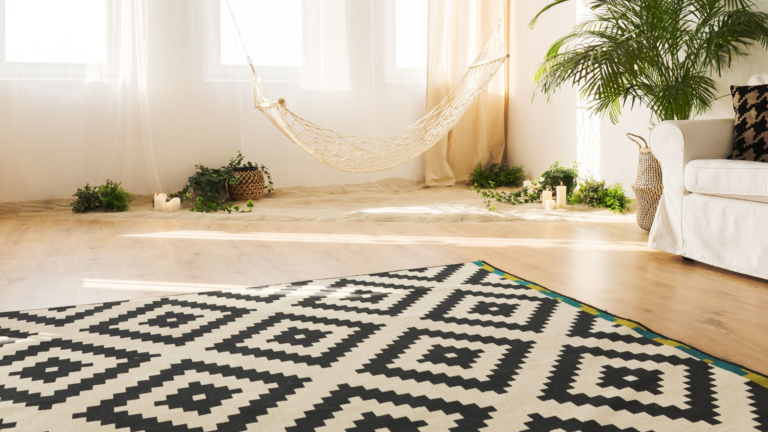
Contrary to what you might think, small rugs can actually make a room feel smaller. A large rug that extends under all the furniture can unify the space and make it feel larger. Just be sure to leave some floor space around the edges to create a border.

16. Maximize Natural Light

Natural light is one of the most effective ways to make a small room feel larger. Keep windows unobstructed and use light, airy window treatments that let the light in. If your room doesn’t get much natural light, consider adding a skylight or using light-colored window films to enhance what little light you do have.

17. Create Focal Points

Creating a focal point in the room can draw attention away from the size of the space. This could be a piece of artwork, a bold piece of furniture, or an accent wall. A strong focal point can distract from the room’s small dimensions and make it feel more expansive.

18. Keep the Design Cohesive

A cohesive design creates a sense of continuity, which can make a small room feel larger. Stick to a consistent color palette, and choose furniture and decor that complement each other. This reduces visual clutter and creates a harmonious, expansive look.

19. Use Stripes to Elongate

Stripes can be used to manipulate the perception of space. Horizontal stripes on walls or rugs can make a room feel wider, while vertical stripes can make it feel taller. Just be careful not to overdo it—too many stripes can overwhelm the space.

20. Add Reflective Surfaces

Reflective surfaces, like glossy finishes, metallic accents, or mirrored furniture, can bounce light around the room and make it feel larger. These surfaces add a touch of luxury while also enhancing the sense of space.

21. Declutter Regularly

Clutter is the enemy of small spaces. Regularly declutter your room to keep it feeling open and spacious. Store items that you don’t use frequently out of sight, and only keep the essentials on display. A tidy room always feels larger and more inviting.

22. Use Folding or Expandable Furniture

Folding or expandable furniture is perfect for small rooms. Consider a dining table that folds down when not in use, or a bed that can be hidden away during the day. These pieces are space-saving champions that allow you to maximize your room’s functionality without sacrificing space.

23. Incorporate Greenery

Adding plants to a small room can bring life and energy to the space, making it feel more open and vibrant. Choose plants that don’t take up too much room, such as hanging plants, wall-mounted planters, or small potted plants that can sit on shelves or windowsills.

24. Keep the Doorways Clear

Avoid placing furniture near doorways or in paths of movement. Keeping doorways and walkways clear will make the room feel less congested and more open. This simple trick can instantly make a small room feel larger and more welcoming.

25. Consider Built-In Furniture

Built-in furniture, such as a built-in desk or shelves, can save space and create a seamless look in a small room. Because built-ins are custom-made to fit the space, they often provide more storage and functionality than standalone furniture, all while maintaining a streamlined appearance.

26. Use Light Flooring

Just like light walls, light flooring can help make a room feel larger. Choose light-colored wood, laminate, or tiles to reflect light and open up the space. If you’re using a rug, make sure it complements the light flooring rather than contrasting with it.

27. Experiment with Textures

While keeping the color palette simple, you can add depth to a small room by experimenting with different textures. Soft fabrics, woven baskets, and textured wall coverings can add interest and dimension without overwhelming the space.

28. Be Mindful of Scale

When decorating a small room, scale is everything. Choose furniture and decor that are proportionate to the size of the room. Oversized pieces can dominate the space, while too many small pieces can make it feel cluttered. Finding the right balance is key to making the room feel larger.

By implementing these design tips, you can transform any small room into a spacious, inviting area that feels comfortable and stylish. Remember, the goal is to create a sense of openness and flow, so keep things light, airy, and uncluttered. With a little creativity and thoughtful planning, your small room can be the cozy yet expansive space you’ve always dreamed of!

How to Mix and Match Patterns in Home Decor: A Comprehensive Guide

0

Mixing and matching patterns in home decor can transform your living space into a vibrant and visually stimulating environment. However, the process can be daunting, as there is a fine line between a harmonious blend and a chaotic clash. This guide will help you confidently combine patterns, creating a cohesive and stylish look in your home.

1. Understanding the Basics of Pattern Mixing

Before diving into pattern mixing, it’s essential to understand the basics. Patterns come in various forms, including stripes, florals, geometrics, and abstract designs. Each pattern type has its characteristics, and knowing how they interact can help you create a balanced look.

2. Start with a Neutral Base

Begin your pattern-mixing journey with a neutral base. A neutral color palette—think whites, grays, and beiges—provides a calm backdrop that allows patterns to stand out without overwhelming the space. Use neutral tones for larger furniture pieces, like sofas or walls, and build your patterns around them.

3. Choose a Dominant Pattern

Select a dominant pattern to anchor your decor. This pattern will be the most prominent and should be used on larger surfaces, such as a rug, wallpaper, or bedspread. The dominant pattern sets the tone for the room and should reflect your personal style.

4. Incorporate Secondary Patterns

Once you have your dominant pattern, introduce secondary patterns that complement it. These patterns should be smaller in scale and less intense in color to avoid overpowering the dominant pattern. Consider using these on throw pillows, curtains, or accent chairs.

5. Balance Scale and Proportion

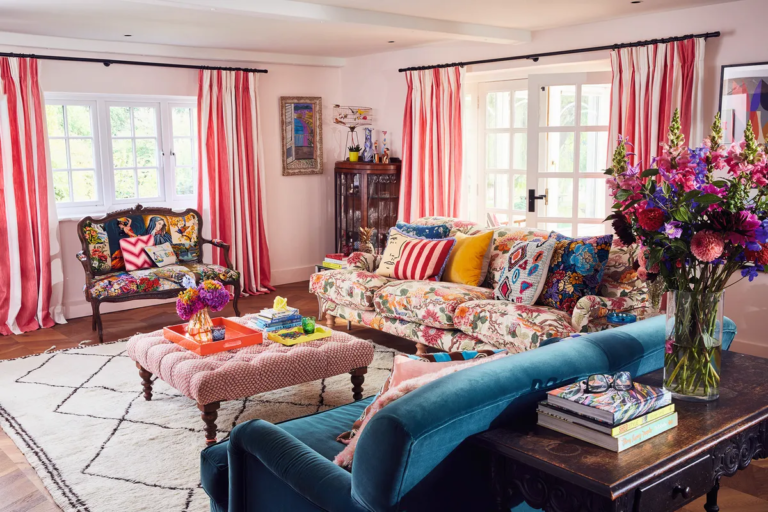
A key aspect of mixing patterns is balancing scale and proportion. Combine large-scale patterns with smaller ones to create visual interest without overwhelming the space. For instance, pair a large floral print with a small geometric pattern for a dynamic yet cohesive look.

6. Stick to a Color Scheme

To ensure harmony in your decor, stick to a consistent color scheme. Choose a palette of three to five colors, and use these hues across all your patterns. This approach ties different patterns together, making them feel like part of a unified design.

7. Mix Different Pattern Types

Don’t be afraid to mix different types of patterns. Stripes, florals, polka dots, and geometrics can coexist beautifully when paired thoughtfully. The key is to ensure they share a common element, such as color or scale, to create a harmonious blend.

8. Play with Textures

Incorporating texture is another way to add depth and dimension to your pattern mix. Textured fabrics like velvet, linen, or wool can soften bold patterns and add a tactile element to your decor. Consider using textured cushions, throws, or rugs to balance out visually busy patterns.

9. Create Focal Points

Use patterns to create focal points in your room. A bold patterned rug, a striking piece of patterned art, or a feature wall can draw the eye and anchor the space. Ensure that these focal points are balanced with more subtle patterns elsewhere in the room.

10. Consider the Room’s Function

When mixing patterns, consider the function of the room. In a bedroom, where a serene environment is desired, opt for soft, calming patterns. In contrast, a living room can handle more vibrant and energetic designs. Tailor your pattern choices to the mood you want to create.

11. Layer Patterns Gradually

If you’re new to pattern mixing, start by layering patterns gradually. Begin with two patterns and add more as you gain confidence. This approach allows you to assess the visual impact of each pattern and make adjustments as needed.

12. Use Patterns in Unexpected Places

Patterns aren’t just for fabrics and wallpaper. Incorporate them in unexpected places, like the inside of a bookshelf, the back of a door, or the lining of a cabinet. These subtle touches can add a playful and unique element to your decor.

13. Break Up Patterns with Solids

To prevent your space from feeling too busy, break up patterns with solid colors. Solid-colored furniture, curtains, or walls can provide a resting place for the eye, ensuring that the room doesn’t become overwhelming.

14. Consider the Room’s Layout

The layout of your room can influence how patterns are perceived. In a small space, opt for smaller, less overwhelming patterns, while larger spaces can handle bolder designs. Additionally, consider how patterns will flow from one area to another, especially in open-plan spaces.

15. Test Patterns Before Committing

Before committing to a pattern, test it in your space. Use fabric swatches, wallpaper samples, or digital tools to see how different patterns look together. This step allows you to experiment with combinations without making a permanent decision.

16. Mix Patterns with Purpose

Every pattern in your decor should have a purpose. Whether it’s to create contrast, add texture, or introduce color, ensure that each pattern serves a role in your overall design. This purposeful approach prevents the space from feeling chaotic.

17. Trust Your Instincts

While there are guidelines to mixing patterns, don’t be afraid to trust your instincts. If a combination feels right to you, go with it. Personal style plays a significant role in home decor, and your instincts can lead to unique and beautiful results.

18. Incorporate Patterned Accessories

If you’re hesitant to commit to large patterned pieces, start with accessories. Patterned cushions, throws, or lampshades are an easy way to introduce patterns into your decor without overwhelming the space. They can be easily swapped out if you want to change the look.

19. Use Patterns to Define Zones

In open-plan spaces, patterns can help define different zones. Use a patterned rug to delineate the living area, or a patterned wall treatment to highlight a dining space. This technique adds structure to the room while enhancing its visual appeal.

20. Don’t Forget About Patterned Artwork

Artwork is another excellent way to incorporate patterns into your decor. Patterned prints, abstract art, or even a gallery wall of mixed-pattern frames can add a dynamic element to your space. Artwork allows for creativity and personal expression in pattern mixing.

21. Consider Seasonal Pattern Changes

Change your patterns with the seasons to keep your decor fresh and exciting. Light, airy patterns are perfect for spring and summer, while rich, warm patterns can cozy up your space in fall and winter. This approach allows you to refresh your home’s look throughout the year.

22. Mix Vintage and Modern Patterns

Combining vintage and modern patterns can create a unique and eclectic look. A vintage floral print paired with a contemporary geometric design, for example, can result in a visually striking and balanced space. This mix adds depth and character to your decor.

23. Use Patterned Rugs to Anchor a Space

A patterned rug can anchor a room and tie different elements together. Choose a rug that complements your dominant pattern and color scheme, and build your decor around it. A well-chosen rug can ground the space and make it feel cohesive.

24. Balance Bold Patterns with Subtle Ones

If you love bold patterns but are concerned about them overwhelming your space, balance them with more subtle designs. Pair a vibrant, large-scale pattern with a smaller, monochromatic one to create a sense of balance. This approach allows bold patterns to shine without dominating the room.

25. Keep an Open Mind

When mixing patterns, keep an open mind and be willing to experiment. Some of the most striking and beautiful combinations come from unexpected pairings. Don’t be afraid to try something new and step outside of your comfort zone.

26. Incorporate Patterns in Small Doses

If you’re unsure about mixing patterns, start by incorporating them in small doses. A patterned cushion, a small rug, or a piece of patterned art can add interest to your space without making a huge commitment. As you become more comfortable, you can introduce more patterns.

27. Create Visual Rhythm

Patterns can create a visual rhythm in your decor, guiding the eye through the space. Repeating a pattern in different areas of the room can create a sense of continuity and flow. This technique makes the room feel cohesive and well-planned.

28. Consider the Room’s Lighting

The lighting in your room can affect how patterns are perceived. Bright, natural light can make patterns appear more vibrant, while dim lighting can soften them. Consider the lighting when choosing patterns, as it can impact the overall look and feel of the space.

29. Use Patterns to Reflect Your Personality

Your home should be a reflection of your personality, and patterns are a great way to express your unique style. Whether you prefer bold, dramatic designs or soft, subtle ones, choose patterns that resonate with you and make your space feel like home.

30. Enjoy the Process

Mixing and matching patterns in home decor should be an enjoyable and creative process. Have fun experimenting with different combinations, and don’t be afraid to make mistakes. The beauty of home decor is that it’s always evolving, and there’s no right or wrong way to do it.

By following these guidelines, you can confidently mix and match patterns in your home decor, creating a space that is visually dynamic, cohesive, and uniquely yours. Whether you’re a seasoned decorator or just starting, the key is to have fun and let your creativity shine. Happy decorating!

Exploring the Latest Techniques in Home Painting

0

Home painting is an art form that has evolved significantly over the years. Today, it’s not just about slapping a coat of paint on the walls; it’s about transforming spaces, enhancing moods, and creating environments that reflect personal style. With the advent of new technologies and innovative materials, modern home painting techniques offer more possibilities than ever before. Whether you’re a DIY enthusiast or a professional painter, understanding these latest techniques can help you achieve stunning results. Let’s dive into the exciting world of contemporary home painting!

1. Smart Paints: The Future of Wall Finishes

One of the most groundbreaking innovations in the painting industry is the development of smart paints. These paints are designed with special properties that can react to environmental changes. For instance, some smart paints can change color in response to temperature fluctuations or light exposure. Others have self-cleaning capabilities, repelling dirt and dust, making them ideal for high-traffic areas like kitchens and hallways. By using smart paints, homeowners can ensure that their walls remain vibrant and clean for longer periods, reducing the need for frequent repaints.

2. Textured Paints for Depth and Dimension

Gone are the days of flat, one-dimensional walls. Textured paints have gained popularity for their ability to add depth and character to any space. These paints can mimic the appearance of materials like stucco, concrete, or even velvet, allowing for creative and unique wall finishes. Textured paints are perfect for accent walls, where a bit of drama is desired, and they work exceptionally well in rooms where you want to create a focal point without overwhelming the space.

3. Spray Painting: Precision and Efficiency

Spray painting is no longer reserved for industrial applications. With the rise of user-friendly spray guns and high-quality spray paints, more homeowners and professionals are turning to this technique for its precision and efficiency. Spray painting ensures even coverage, reduces the time spent on large projects, and can reach nooks and crannies that are challenging with traditional brushes and rollers. Additionally, it allows for smoother finishes, particularly on surfaces like furniture and cabinets.

4. Eco-Friendly Paints: Sustainability in Home Painting

As environmental awareness grows, so does the demand for eco-friendly paints. These paints are made with natural ingredients and contain low or zero volatile organic compounds (VOCs), which are harmful to both human health and the environment. Eco-friendly paints are available in a wide range of colors and finishes, ensuring that you don’t have to compromise on style while being mindful of sustainability. Opting for these paints not only contributes to a healthier living environment but also supports the global push towards eco-conscious living.

5. Accent Walls: Bold Statements with Paint

Accent walls are a fantastic way to add personality to a room without committing to a full paint overhaul. By choosing a bold or contrasting color for a single wall, you can create a striking focal point that draws the eye. This technique is especially effective in living rooms, bedrooms, and dining areas. Additionally, accent walls can be enhanced with textures, patterns, or even murals, offering endless possibilities for customization.

6. Chalkboard Paint: Functional and Fun

Chalkboard paint is a fun and functional trend that has taken the home painting world by storm. This paint can turn any wall or surface into a writable chalkboard, making it perfect for kitchens, children’s rooms, or home offices. With chalkboard paint, you can jot down grocery lists, leave messages, or let your kids unleash their creativity. The best part is that it’s easy to clean and maintain, allowing for frequent updates and changes.

7. Ombre Walls: Gradient Effects for a Modern Look

Ombre walls are a chic and modern way to add visual interest to a room. This technique involves blending two or more colors to create a gradient effect that transitions smoothly from one hue to another. Ombre walls work beautifully in spaces where a subtle yet impactful design is desired, such as bedrooms or bathrooms. The key to a successful ombre wall is selecting complementary colors and ensuring a seamless blend between them, which can be achieved with sponges, brushes, or spray techniques.

8. Metallic Paints: Adding Shine and Glamour

For those who want to add a touch of luxury to their homes, metallic paints are the way to go. These paints contain fine metallic particles that create a reflective finish, giving walls a sophisticated sheen. Metallic paints work well in accent areas or on entire walls in spaces where you want to make a bold statement, such as dining rooms or entryways. They can also be used to highlight architectural features like columns, niches, or moldings, adding an element of glamour to your home decor.

9. Stenciling: Custom Patterns with Ease

Stenciling is a versatile and cost-effective way to introduce patterns and designs to your walls without the need for wallpaper. With a stencil and some paint, you can create intricate designs, from simple geometric shapes to elaborate motifs. This technique is perfect for adding a personal touch to spaces like bedrooms, nurseries, or even kitchens. The beauty of stenciling is that it allows for complete customization, so you can create a look that’s uniquely yours.

10. Limewash: A Rustic, Matte Finish

Limewash is an age-old painting technique that is making a comeback in modern homes. Made from limestone that has been crushed, burned, and mixed with water, limewash creates a soft, matte finish with a beautiful, natural texture. It’s perfect for achieving a rustic or weathered look, making it ideal for historic homes or spaces where a vintage vibe is desired. Limewash is also breathable and eco-friendly, making it a great choice for those who want a sustainable option with timeless appeal.

11. Color Blocking: Bold and Modern Design

Color blocking involves using two or more contrasting colors in large, solid sections to create a bold, modern look. This technique can be used to define spaces within a room, highlight architectural features, or simply add a playful touch to your decor. Color blocking works well in contemporary spaces where clean lines and sharp contrasts are key design elements. To achieve the best results, it’s essential to use painter’s tape to create crisp, clean edges between the different color sections.

12. Faux Finishes: Imitating Luxurious Materials

Faux finishes are a popular choice for those who want the look of expensive materials without the high cost. With the right techniques, you can mimic the appearance of marble, wood, leather, or even fabric on your walls. Faux finishes are highly versatile and can be used to create a wide range of effects, from subtle to dramatic. They’re perfect for adding an element of luxury to spaces like living rooms, dining rooms, or master bedrooms.

13. Painted Ceilings: An Unexpected Twist

While walls often steal the show, painted ceilings can be just as impactful. Painting your ceiling in a bold or contrasting color can create a striking effect and make the room feel more cohesive. This technique is particularly effective in rooms with high ceilings, where the color can help to visually lower the space, creating a more intimate atmosphere. Additionally, a painted ceiling can be a great way to add personality to a room without overwhelming the walls.

14. Geometric Designs: Modern and Dynamic

Geometric designs are a hot trend in home painting, offering a modern and dynamic way to add interest to your walls. From triangles and hexagons to more intricate patterns, geometric designs can be tailored to suit any style, whether you prefer a minimalist look or something more elaborate. The key to a successful geometric design is careful planning and precise execution, ensuring that lines are straight and colors are applied evenly.

15. Murals: Art for Your Walls

Murals have been a popular form of wall art for centuries, and they continue to be a favorite among homeowners who want to make a big impact. Whether you choose to paint a mural yourself or hire a professional artist, this technique allows you to create a one-of-a-kind design that reflects your personal style. Murals can be anything from simple, abstract designs to detailed landscapes, and they work particularly well in large spaces like living rooms, dining rooms, or even outdoor areas.

16. Stripes: Classic Yet Contemporary

Stripes are a classic design element that never goes out of style. Whether you choose horizontal or vertical stripes, this technique can add a sense of structure and order to a room. Stripes are particularly effective in small spaces, where they can create the illusion of height or width, depending on the direction in which they are applied. For a modern twist, consider using metallic or high-gloss paints to add a bit of shine to your stripes.

17. Layering Colors: Depth and Richness

Layering colors is a technique that involves applying multiple coats of different colors to create depth and richness. This can be done by applying a base color and then adding layers of complementary or contrasting colors on top. The result is a multi-dimensional effect that adds visual interest to your walls. Layering works particularly well with textured paints, as the different colors can highlight the texture and create a more dynamic look.

18. High-Gloss Finishes: Sleek and Modern

High-gloss finishes are perfect for creating a sleek, modern look in your home. These paints reflect light beautifully, making rooms feel brighter and more spacious. High-gloss finishes are ideal for contemporary spaces where clean lines and minimalist design are key elements. However, it’s important to note that high-gloss paints require a smooth, flawless surface, as they tend to highlight imperfections more than matte or satin finishes.

19. Trompe-l’œil: The Art of Illusion

Trompe-l’œil, which means “deceive the eye” in French, is a technique that uses realistic imagery to create optical illusions. This method can make flat surfaces appear three-dimensional or create the illusion of a completely different scene. Trompe-l’œil is often used in formal spaces like dining rooms or libraries to add a touch of elegance and sophistication. It requires a high level of skill and precision, making it a great choice for those looking to make a dramatic statement.

20. Interactive Paints: Engaging and Fun

Interactive paints are a relatively new trend that combines art with functionality. These paints can change colors when touched, or reveal hidden designs under black light. Interactive paints are perfect for children’s rooms, play areas, or any space where you want to add an element of surprise and engagement. They offer a playful and dynamic way to incorporate art into your home, making the painting experience both fun and functional.

Conclusion

Exploring the latest techniques in home painting reveals a world of exciting possibilities. From smart paints and eco-friendly options to bold designs and interactive finishes, there’s no shortage of innovative ways to enhance your living spaces. Whether you’re looking to make a statement with a striking accent wall, add texture with a faux finish, or embrace sustainability with eco-friendly paints, the right technique can transform your home into a vibrant and personalized haven. Embrace these trends and let your creativity shine through in every brushstroke and color choice!

A Complete Guide to Choosing the Right Carpet for Your Home

0

Carpeting is a vital element in home décor, offering both aesthetic appeal and functional benefits. Whether you’re redecorating a room or outfitting an entire house, choosing the right carpet can be a daunting task. With countless styles, materials, and colors available, it’s essential to consider various factors to ensure you make the best choice for your home. This comprehensive guide will walk you through everything you need to know about selecting the perfect carpet.

1. Understanding Your Needs: Why Carpet?

Before diving into the specifics of carpet types, it’s crucial to understand why you’re choosing carpet over other flooring options. Carpets offer warmth, comfort, noise reduction, and an inviting atmosphere. They are especially popular in bedrooms, living rooms, and areas where comfort underfoot is a priority.

2. Types of Carpeting: What Are Your Options?

There are several types of carpets to consider, each with unique characteristics. The most common are:

  • Cut Pile: Features yarn that is cut at the ends. Known for its soft texture, it’s ideal for low-traffic areas.
  • Loop Pile: Made from loops of yarn, this type is durable and resistant to crushing, making it perfect for high-traffic areas.
  • Cut and Loop Pile: A combination of both types, offering varied texture and design.

3. Material Matters: What Carpet Fibers Should You Consider?

The material of the carpet plays a significant role in its durability, feel, and maintenance. Common materials include:

  • Nylon: Known for its strength and resilience, nylon is ideal for high-traffic areas. It’s resistant to stains and easy to clean.
  • Polyester: Offers vibrant color options and a luxurious feel, though it may not be as durable as nylon.
  • Wool: A natural fiber that is soft, durable, and environmentally friendly. However, it’s more expensive and may require special care.
  • Olefin (Polypropylene): Resistant to moisture, mold, and mildew, making it a good choice for basements and outdoor areas.

4. Choosing the Right Color: How to Match Your Décor

The color of your carpet can influence the overall ambiance of a room. Lighter shades can make a room feel more spacious, while darker tones add warmth and coziness. Consider the following when choosing a color:

  • Room Size: Light colors make small rooms appear larger, while dark colors can add depth to larger spaces.
  • Lighting: Natural and artificial light will affect how the carpet color appears.
  • Maintenance: Light-colored carpets may show dirt more easily, requiring more frequent cleaning.

5. Patterns and Textures: Adding Dimension to Your Space

Patterns and textures can enhance the look of a room, adding depth and character. Consider these options:

  • Berber: A looped texture that is durable and hides dirt well.
  • Frieze: A twisted pile that creates a textured, casual look.
  • Saxony: A smooth, plush surface that is ideal for formal settings.

6. Considering the Carpet Padding: Why It’s Important

Carpet padding, or underlay, is an essential part of the carpeting process. It provides cushioning, insulation, and can extend the life of your carpet. When choosing padding, consider the following:

  • Thickness: Thicker padding offers more comfort but may not be suitable for high-traffic areas.
  • Density: Higher density padding provides better support and durability.

7. Budgeting: How Much Should You Spend on a Carpet?

Carpeting can range from affordable to luxurious, depending on the material, style, and brand. Establishing a budget before shopping is essential. Consider the cost of both the carpet and the installation. Remember, investing in a higher-quality carpet can save money in the long run by reducing the need for frequent replacements.

8. Room-Specific Considerations: Where Will the Carpet Be Installed?

Different rooms have different needs, so consider where the carpet will be installed:

  • Living Room: Opt for a durable carpet that can withstand heavy foot traffic.
  • Bedroom: Choose a soft, plush carpet for maximum comfort.
  • Staircase: Consider a carpet with a short pile to reduce wear and tear.
  • Basement: Select a moisture-resistant carpet to prevent mold and mildew.

9. Durability: How Long Will Your Carpet Last?

The durability of a carpet depends on its material, construction, and maintenance. Nylon and wool are known for their longevity, while polyester and olefin may wear out more quickly. To ensure your carpet lasts as long as possible, follow the manufacturer’s care instructions and clean regularly.

10. Stain Resistance: How to Keep Your Carpet Looking New

Accidents happen, especially in homes with children and pets. Choose a carpet with stain-resistant properties or consider applying a stain-resistant treatment after installation. Nylon and olefin are naturally resistant to stains, while wool can be treated to improve its stain resistance.

11. Environmental Considerations: Is Your Carpet Eco-Friendly?

If you’re environmentally conscious, consider carpets made from natural or recycled materials. Wool is a renewable resource, while some synthetic carpets are made from recycled plastics. Additionally, look for carpets with low VOC (Volatile Organic Compounds) emissions to improve indoor air quality.

12. Installation: DIY or Professional Help?

Carpet installation is a job best left to professionals unless you have experience. Proper installation ensures the carpet is stretched correctly, preventing wrinkles and extending its lifespan. A professional installer will also make sure seams are less visible and the carpet is securely fastened.

13. Maintenance: How to Care for Your Carpet

Regular maintenance is key to keeping your carpet looking new. Vacuuming at least once a week, spot cleaning spills immediately, and scheduling professional cleanings annually will help maintain its appearance and longevity.

14. Allergies: Is Carpet a Good Choice for Allergy Sufferers?

Carpets can trap allergens like dust, pollen, and pet dander. However, choosing a carpet with low pile and regular cleaning can reduce allergens in your home. Consider hypoallergenic carpets or those treated to resist allergens if this is a concern.

15. Comfort: How Does Carpet Affect Your Home’s Atmosphere?

Carpets add warmth and softness to a room, making it more inviting. They are especially beneficial in colder climates, providing insulation and reducing energy costs. The comfort level of a carpet can vary depending on the material and thickness of both the carpet and padding.

16. Style and Aesthetics: How to Choose a Carpet That Complements Your Home

Your carpet should complement the overall style of your home. Whether you prefer a traditional, modern, or eclectic look, there’s a carpet style that will suit your décor. Consider the furniture, wall colors, and accessories when selecting a carpet to ensure a cohesive design.

17. Sound Insulation: How Carpet Can Reduce Noise

Carpets are excellent for sound insulation, reducing noise between floors and within a room. This is particularly important in homes with multiple levels or in apartments. Thick carpets with dense padding offer the best soundproofing.

18. Safety: How Carpet Can Prevent Slips and Falls

Carpeted floors provide better traction than hard surfaces, reducing the risk of slips and falls. This makes them a safer option for homes with young children, elderly residents, or anyone with mobility issues. Carpets on stairs, in particular, can significantly enhance safety.

19. Pet-Friendly Options: What to Consider if You Have Pets

If you have pets, choose a carpet that can withstand wear and tear. Look for carpets that are resistant to stains, moisture, and odors. Additionally, low-pile carpets are easier to clean and won’t trap as much pet hair.

20. Resale Value: Will Carpet Increase Your Home’s Appeal?

The right carpet can enhance the appeal of your home to potential buyers. Neutral colors and high-quality materials can make your home more attractive on the market. Keep in mind that while personal preferences vary, a well-maintained carpet can positively impact resale value.

21. Warranty and Guarantees: What Should You Look For?

Before purchasing a carpet, review the manufacturer’s warranty. A good warranty will cover issues like stains, wear, and installation defects. Understanding the terms and conditions can provide peace of mind and protect your investment.

22. Shopping Tips: How to Choose the Right Carpet Retailer

When shopping for carpet, choose a reputable retailer with knowledgeable staff who can guide you through the selection process. Look for stores with a wide range of options, competitive pricing, and positive customer reviews. Don’t hesitate to ask for samples to take home, allowing you to see how the carpet looks in your space.

23. Trends in Carpet Design: What’s Popular Now?

Stay updated with current trends to ensure your carpet choice is both stylish and timeless. Popular trends include eco-friendly materials, bold patterns, and textured carpets. However, classic designs like neutral tones and simple patterns remain popular for their versatility.

24. Final Thoughts: Making the Right Decision for Your Home

Choosing the right carpet involves careful consideration of your needs, preferences, and budget. By understanding the various options available and how they fit into your home’s design, you can make an informed decision that enhances your living space. Remember, the right carpet not only adds beauty and comfort to your home but also increases its value and functionality.

In conclusion, investing time in selecting the perfect carpet will pay off in the long run. Whether you prioritize comfort, style, durability, or eco-friendliness, there’s a carpet out there that’s just right for your home. Happy shopping!

How to Navigate the Rental Market with a Real Estate Agent

0

Navigating the rental market can be a daunting task, especially in today’s competitive housing landscape. Whether you’re searching for an apartment in a bustling city or a cozy home in a quiet suburb, working with a real estate agent can make the process smoother and more efficient. This article will guide you through how to effectively navigate the rental market with the help of a real estate agent, ensuring you find the perfect place to call home.

Understanding the Role of a Real Estate Agent

A real estate agent is a licensed professional who helps clients buy, sell, or rent properties. When it comes to rentals, their expertise can be invaluable. They have access to comprehensive listings, market insights, and negotiation skills that can help you find a property that meets your needs and budget. Their primary goal is to ensure you find a rental property that suits your preferences while also navigating the complexities of lease agreements, tenant rights, and rental regulations.

Why You Should Consider Using a Real Estate Agent for Rentals

Many people assume that real estate agents are only for buying or selling properties, but they are also highly effective in the rental market. Using a real estate agent can save you time and stress by narrowing down your options and handling the bulk of the paperwork. Additionally, they can provide access to listings that may not be publicly available, increasing your chances of finding a hidden gem in the rental market.

How to Choose the Right Real Estate Agent

Choosing the right real estate agent is crucial to your success in the rental market. Look for an agent with experience in your desired area and type of rental property. Ask for referrals, read reviews, and interview potential agents to find one who understands your needs and has a good track record. It’s also important to ensure the agent is responsive, knowledgeable, and has a good understanding of the local rental market.

Setting a Budget for Your Rental

Before you start searching for a rental property, it’s essential to set a realistic budget. A real estate agent can help you understand the rental prices in your desired area and what you can afford based on your income and other financial obligations. They can also assist in finding properties that offer the best value for your money, ensuring you don’t overspend on rent.

Identifying Your Rental Needs and Preferences

Work with your real estate agent to identify your specific rental needs and preferences. Consider factors such as the number of bedrooms, proximity to work or school, access to public transportation, and neighborhood amenities. By clearly defining your criteria, your agent can focus on properties that meet your requirements, saving you time and energy.

The Benefits of Pre-Screening Properties

One of the significant advantages of working with a real estate agent is their ability to pre-screen properties on your behalf. They can visit properties, take photos, and assess their condition before you decide to view them in person. This pre-screening process ensures that you only visit properties that truly meet your standards, making your search more efficient.

Understanding the Local Rental Market

A real estate agent’s in-depth knowledge of the local rental market is one of their greatest assets. They can provide insights into market trends, average rental prices, and the availability of rental properties in your desired area. This knowledge allows you to make informed decisions and helps you understand what to expect during your search.

The Importance of Timing in the Rental Market

Timing is critical when navigating the rental market. Popular properties can be rented out within hours of being listed, so it’s important to act quickly. A real estate agent can help you stay on top of new listings and schedule viewings as soon as possible, increasing your chances of securing your desired rental.

How to View Rental Properties Effectively

When viewing rental properties, it’s essential to be thorough and ask the right questions. Your real estate agent can guide you on what to look for, such as the condition of appliances, the quality of the neighborhood, and potential maintenance issues. They can also help you ask critical questions about the lease terms, utilities, and any additional fees.

Negotiating Rental Terms with the Help of Your Agent

Negotiating the terms of your rental agreement can be tricky, but your real estate agent can be a valuable ally in this process. They can help you negotiate rent, lease duration, and other terms to ensure you get the best deal possible. Their experience in the market and understanding of what is reasonable will give you an advantage during negotiations.

Understanding the Lease Agreement

The lease agreement is a legally binding document that outlines the terms of your rental. It’s essential to understand every aspect of the lease before signing. Your real estate agent can walk you through the lease, explaining any complex terms and ensuring that your rights as a tenant are protected. They can also help identify any clauses that may be unfavorable or need adjustment.

Handling Application and Credit Checks

Most landlords require prospective tenants to complete an application and undergo a credit check. Your real estate agent can assist with the application process, ensuring that all necessary documentation is submitted correctly. They can also provide guidance on how to improve your credit score or address any potential issues that may arise during the credit check process.

The Security Deposit: What You Need to Know

Understanding the security deposit is crucial when renting a property. This deposit is typically equivalent to one or two months’ rent and is held by the landlord as protection against any potential damages. Your real estate agent can explain how the security deposit works, what it covers, and how to ensure you get it back when your lease ends.

The Importance of Renter’s Insurance

Renter’s insurance is often overlooked but is essential for protecting your personal belongings in case of theft, fire, or other disasters. Your real estate agent can recommend reputable insurance providers and help you understand the coverage options available. Some landlords may even require renter’s insurance as a condition of the lease, so it’s important to be prepared.

Moving into Your New Rental

Once you’ve signed the lease, it’s time to plan your move. Your real estate agent can provide tips on hiring movers, packing efficiently, and organizing your move-in day. They can also help you coordinate with the landlord to ensure a smooth transition into your new rental property.

How to Maintain a Good Relationship with Your Landlord

Maintaining a positive relationship with your landlord is crucial for a successful rental experience. Your real estate agent can offer advice on how to communicate effectively with your landlord, address maintenance issues promptly, and adhere to the terms of your lease. A good relationship can lead to a more enjoyable living experience and may even benefit you when it’s time to renew your lease.

Renewing Your Lease or Moving On

As your lease term comes to an end, you’ll need to decide whether to renew your lease or move to a new property. Your real estate agent can help you evaluate your options, considering factors such as rent increases, changes in your living situation, and market conditions. They can also assist with negotiating lease renewal terms or finding a new rental property if you decide to move.

How to Handle Rental Disputes

Despite your best efforts, disputes with your landlord or neighbors may arise. Your real estate agent can guide you on how to handle these situations professionally and legally. Whether it’s a disagreement over maintenance issues, noise complaints, or lease terms, having a knowledgeable agent by your side can help resolve disputes amicably.

The Final Walkthrough

Before you move into your rental, it’s essential to conduct a final walkthrough with your real estate agent. This walkthrough allows you to inspect the property one last time, ensuring that any agreed-upon repairs have been made and that the property is in the condition promised. Documenting the property’s condition during the walkthrough can also protect you from future disputes over damages.

Tips for a Successful Rental Experience

Navigating the rental market can be challenging, but with the right real estate agent by your side, the process becomes much more manageable. Remember to be clear about your needs, stay organized, and communicate openly with your agent. By following the tips outlined in this article, you’ll be well on your way to finding the perfect rental property and enjoying a successful rental experience.

Conclusion: The Value of a Real Estate Agent in the Rental Market

In conclusion, a real estate agent can be an invaluable resource when navigating the rental market. From helping you find the right property to negotiating lease terms and handling paperwork, their expertise can save you time, money, and stress. Whether you’re a first-time renter or an experienced tenant, partnering with a real estate agent can make your rental search more efficient and successful.

By understanding the role of a real estate agent and leveraging their skills, you can confidently navigate the rental market and secure a home that meets your needs and budget. So, if you’re ready to start your rental search, consider enlisting the help of a real estate agent to guide you through the process and ensure a smooth, successful experience.

Why Roof Maintenance is Essential for Home Value

0

Maintaining a home’s roof is often overlooked, but it is one of the most critical aspects of home ownership. The roof is your first line of defense against the elements, and its condition directly affects the overall value of your property. Whether you are planning to sell your home soon or simply want to ensure it remains in excellent condition for years to come, regular roof maintenance is essential. In this article, we’ll explore why roof maintenance is crucial for maintaining and even increasing your home’s value.

1. Protecting Structural Integrity

The roof is a vital part of your home’s structure. It protects the walls, foundation, and everything inside the home from external elements such as rain, snow, wind, and the sun’s harsh rays. Regular roof maintenance ensures that the structure beneath the roof remains dry and sound, preventing costly damages to the home’s foundation and interior.

2. Preventing Water Damage

One of the most significant threats to your home is water damage, which can lead to mold, mildew, and rot. A well-maintained roof prevents water from seeping into your home. Even a small leak can cause extensive damage over time, leading to costly repairs and a decrease in your home’s value. Regular inspections and timely repairs are essential to keep your roof watertight.

3. Extending Roof Lifespan

Roofs are expensive to replace. Regular maintenance, including cleaning, repairing minor damages, and addressing issues like moss or algae growth, can significantly extend the life of your roof. A roof that lasts longer not only saves you money but also preserves the value of your home by avoiding the need for premature replacement.

4. Improving Energy Efficiency

A well-maintained roof contributes to the energy efficiency of your home. Proper insulation and ventilation reduce the need for heating and cooling, leading to lower energy bills. A roof in good condition helps regulate indoor temperatures, which is an attractive feature for potential buyers and can increase your home’s market value.

5. Enhancing Curb Appeal

The roof is one of the first things people notice about a home. A clean, well-maintained roof enhances your home’s curb appeal, making it more attractive to potential buyers. Curb appeal plays a significant role in the perceived value of a home, and a well-maintained roof can be a major selling point.

6. Meeting Insurance Requirements

Insurance companies often require homeowners to maintain their roofs to qualify for coverage. If your roof is in poor condition, your insurance company may refuse to cover damages caused by neglect. Regular maintenance ensures that your roof meets insurance standards, protecting your investment and potentially lowering your premiums.

7. Preventing Costly Repairs

Routine roof maintenance can identify and address minor issues before they escalate into major problems. For example, replacing a few missing shingles is far less expensive than repairing water damage caused by a leak that was left untreated. By staying on top of maintenance, you can prevent costly repairs that would otherwise reduce your home’s value.

8. Increasing Home Resale Value

A well-maintained roof is a significant selling point for home buyers. It signals that the home has been well cared for, which can justify a higher asking price. Prospective buyers are more likely to make an offer on a home with a roof in good condition, and they may even be willing to pay a premium for the peace of mind it provides.

9. Complying with Local Building Codes

Building codes vary by location, but many areas require roofs to be in good condition to comply with regulations. Failing to maintain your roof could result in fines or other penalties. Moreover, if you plan to sell your home, the roof will need to meet local building codes, which can impact the sale process if repairs are needed.

10. Avoiding Pest Infestations

A neglected roof can become a gateway for pests such as rodents, birds, and insects. Once inside, these pests can cause significant damage to your home’s insulation, wiring, and structure. Regular roof maintenance helps seal potential entry points, keeping your home pest-free and protecting its value.

11. Supporting a Healthy Living Environment

A roof that allows water to seep into the home can lead to mold and mildew growth, which can negatively impact indoor air quality. This can be a health hazard for your family, especially for those with respiratory issues. Maintaining your roof ensures a dry, mold-free environment, contributing to a healthier living space.

12. Ensuring Warranty Compliance

Many roofing materials come with warranties, but these warranties often require regular maintenance to remain valid. Neglecting roof maintenance could void your warranty, leaving you responsible for the full cost of repairs or replacement. By adhering to the maintenance requirements, you can ensure your warranty stays intact, providing additional protection for your home.

13. Boosting Property Appraisal

If you plan to refinance your home or take out a home equity loan, the condition of your roof will be a factor in the property appraisal. A well-maintained roof can lead to a higher appraisal value, giving you more financial options. On the other hand, a damaged roof can lower your home’s appraised value, limiting your borrowing potential.

14. Reducing Liability Risks

A damaged roof can pose safety hazards, such as falling debris or weakened structures. If someone is injured on your property due to a neglected roof, you could be held liable. Regular maintenance reduces these risks, protecting you from potential legal issues and financial losses.

15. Maintaining Aesthetic Appeal

Over time, roofs can become discolored or stained due to algae, moss, and debris. Regular cleaning and maintenance keep your roof looking its best, preserving the overall aesthetic appeal of your home. A clean, well-maintained roof not only looks good but also adds to the perceived value of your property.

16. Providing Peace of Mind

Knowing that your roof is in good condition provides peace of mind. You won’t have to worry about unexpected leaks, costly repairs, or potential damage to your home’s interior. This peace of mind is invaluable and contributes to the overall enjoyment and satisfaction of home ownership.

17. Enhancing Home Safety

A sturdy, well-maintained roof protects your home from the elements, including severe weather such as storms and heavy snowfall. A roof in good condition is less likely to suffer damage during extreme weather, ensuring the safety and security of your home and its occupants.

18. Preserving Neighboring Property Values

The condition of your home can impact the value of neighboring properties. A poorly maintained roof can make your home stand out for the wrong reasons, potentially lowering the value of nearby homes. By keeping your roof in good condition, you contribute to the overall attractiveness and value of your neighborhood.

19. Supporting Sustainable Living

Roof maintenance can also play a role in sustainability. By extending the life of your roof, you reduce the need for new materials and the environmental impact of roof replacement. Additionally, a well-maintained roof with proper insulation can improve your home’s energy efficiency, reducing your carbon footprint.

20. Maximizing Return on Investment (ROI)

Roof maintenance offers one of the highest returns on investment for home improvement projects. The cost of regular maintenance is relatively low compared to the potential increase in home value. Whether you plan to sell your home or stay for many years, maintaining your roof is a smart financial decision that maximizes your ROI.

21. Simplifying the Selling Process

When it comes time to sell your home, having a well-maintained roof can simplify the selling process. Buyers are more likely to make an offer quickly when they know the roof is in good condition, and you’re less likely to face negotiations over repair costs. A well-maintained roof can lead to a smoother, faster sale.

22. Avoiding Emergency Repairs

Emergency roof repairs are not only costly but also stressful. By staying on top of regular maintenance, you can avoid the need for emergency repairs, which often come at the worst possible time. Preventative maintenance ensures that your roof remains in good condition year-round, protecting your home and your wallet.

23. Supporting Home Warranty Claims

If your home has a warranty, maintaining your roof may be a requirement to file a claim in case of damage. Neglecting roof maintenance could result in a denied claim, leaving you responsible for repair costs. Regular maintenance ensures that you remain eligible for warranty coverage, providing financial protection for your home.

24. Increasing Longevity of Interior Features

A well-maintained roof protects not only the structure of your home but also its interior features, such as ceilings, walls, and flooring. Water damage from a leaking roof can ruin these elements, leading to expensive repairs. By maintaining your roof, you ensure that your home’s interior remains in excellent condition, preserving its overall value.

25. Supporting Future Renovations

If you plan to renovate your home, having a well-maintained roof is essential. Many renovation projects, such as adding a new room or upgrading the attic, require a solid roof as a foundation. A roof in good condition supports these renovations, making the process smoother and ensuring that the improvements add to your home’s value.

Conclusion

Roof maintenance is not just about keeping your home looking good; it’s a critical aspect of protecting and enhancing your home’s value. From preventing costly repairs to improving energy efficiency and increasing curb appeal, regular roof maintenance offers numerous benefits. Whether you’re planning to sell your home or simply want to enjoy it for years to come, maintaining your roof is an investment that pays off in many ways. Don’t wait until problems arise—start prioritizing roof maintenance today to safeguard your home’s value and your peace of mind.

The Role of Mulching in Garden Maintenance: A Comprehensive Guide

0

Mulching is one of the most essential yet often overlooked practices in garden maintenance. It’s a technique that involves spreading a layer of material on the surface of the soil around plants. This simple act can have a profound impact on the health, vitality, and appearance of your garden. Whether you’re a seasoned gardener or just starting, understanding the role of mulching can help you cultivate a thriving, sustainable garden.

What is Mulching?

Mulching refers to the process of covering the soil with a protective layer. This layer, known as mulch, can be made from organic materials like wood chips, straw, or leaves, or inorganic materials such as plastic sheeting or gravel. Mulch serves multiple purposes, from protecting the soil to enhancing the visual appeal of the garden.

The Different Types of Mulch

Mulch comes in a variety of forms, each with its benefits and best uses.

Organic Mulch: This type includes materials like wood chips, grass clippings, straw, compost, and leaves. Organic mulches decompose over time, adding valuable nutrients to the soil.

Inorganic Mulch: This includes materials like plastic sheeting, gravel, and landscape fabric. While they don’t decompose, they are excellent for long-term use and can help in weed control.

Benefits of Mulching in Garden Maintenance

Mulching offers a plethora of benefits that contribute to healthier plants and easier garden maintenance.

1. Moisture Retention

One of the primary roles of mulch is to retain moisture in the soil. Mulch acts as a barrier, reducing evaporation and keeping the soil moist for longer periods. This is particularly beneficial during hot, dry seasons, ensuring that your plants receive the water they need without the need for constant irrigation.

2. Weed Suppression

Weeds are the bane of every gardener’s existence. They compete with plants for nutrients, water, and light. Mulching helps to suppress weeds by blocking sunlight from reaching the soil surface, thus inhibiting weed germination and growth. A thick layer of mulch can drastically reduce the time spent on weeding, giving you more time to enjoy your garden.

3. Soil Temperature Regulation

Mulch acts as an insulator for the soil. In the summer, it keeps the soil cooler by reducing direct exposure to the sun, while in the winter, it helps to retain heat. This temperature regulation is crucial for maintaining healthy roots and can prevent plants from becoming stressed due to extreme temperatures.

4. Soil Improvement

As organic mulches break down, they add organic matter to the soil, improving its structure and fertility. This process increases the soil’s ability to retain moisture and nutrients, creating a more hospitable environment for plant roots.

5. Erosion Control

Mulch plays a significant role in preventing soil erosion, especially on slopes and in areas prone to heavy rainfall. The layer of mulch helps to absorb the impact of raindrops and reduces runoff, keeping the soil in place and maintaining the integrity of your garden beds.

6. Pest Control

Certain types of mulch can act as a natural pest deterrent. For instance, cedar mulch contains natural oils that repel insects. Additionally, by keeping the soil surface dry, mulch can help reduce the habitat for pests like slugs and snails.

7. Enhanced Aesthetics

Beyond its functional benefits, mulch can also enhance the visual appeal of your garden. A well-mulched garden looks neat and tidy, with a uniform appearance that highlights the beauty of your plants. With various colors and textures available, mulch can be used to complement your garden’s design.

8. Reducing Soil Compaction

Mulching can help reduce soil compaction, especially in areas of high foot traffic. By acting as a cushion, mulch reduces the impact of footfall, keeping the soil loose and aerated, which is essential for root growth.

9. Nutrient Cycling

As organic mulch decomposes, it releases nutrients back into the soil. This natural process of nutrient cycling enriches the soil with essential elements like nitrogen, phosphorus, and potassium, which are vital for plant growth.

10. Promoting Beneficial Microorganisms

Mulch provides a habitat for beneficial microorganisms that are crucial for soil health. These microorganisms help break down organic matter, making nutrients more available to plants. They also play a role in disease suppression and soil structure improvement.

11. Mulching for Different Seasons

Different seasons require different mulching strategies.

Spring Mulching: In spring, mulch helps to warm up the soil, allowing for earlier planting and promoting healthy root growth.

Summer Mulching: In summer, mulch is essential for moisture retention and temperature regulation.

Fall Mulching: Fall is the time to add a fresh layer of mulch to protect plants during the winter months.

Winter Mulching: In winter, mulch acts as a blanket, protecting roots from freezing temperatures.

12. Choosing the Right Mulch for Your Garden

Choosing the right type of mulch depends on various factors such as the type of plants you have, your soil type, and your garden’s aesthetic preferences.

Wood Chips and Bark Mulch: Ideal for flower beds and around trees, wood chips and bark mulch are long-lasting and provide excellent moisture retention.

Grass Clippings: A great option for vegetable gardens, grass clippings add nitrogen to the soil as they decompose.

Straw and Hay: Perfect for vegetable gardens and paths, straw and hay break down quickly and are easy to apply.

Compost: Best for enriching the soil, compost adds nutrients and improves soil structure.

Gravel and Stone: Ideal for drought-tolerant gardens, gravel and stone provide excellent drainage and a clean, modern look.

13. How to Apply Mulch Correctly

Proper application of mulch is key to reaping its benefits. Here’s a step-by-step guide:

1. Prepare the Soil: Remove any weeds and debris from the area to be mulched.

2. Apply a Layer: Spread mulch evenly around the base of your plants, ensuring a thickness of 2-4 inches.

3. Keep Mulch Away from Stems: Avoid piling mulch directly against the stems or trunks of plants, as this can lead to rot and pest problems.

4. Replenish as Needed: Organic mulch will break down over time, so be sure to add more as necessary to maintain the desired depth.

14. Common Mulching Mistakes to Avoid

While mulching is relatively straightforward, there are some common mistakes to avoid:

1. Over-Mulching: Applying too much mulch can suffocate plant roots and lead to waterlogging.

2. Mulch Volcanoes: Piling mulch against tree trunks can cause rot and make trees more susceptible to pests.

3. Using the Wrong Mulch: Not all mulch is suitable for all plants. For example, using gravel mulch in a vegetable garden can lead to poor growth due to its lack of nutrients.

15. The Environmental Impact of Mulching

Mulching is not just good for your garden; it’s also beneficial for the environment. By reducing the need for chemical fertilizers and herbicides, mulch helps to protect the soil and local waterways from pollution. Additionally, organic mulch made from recycled materials helps to reduce waste.

16. Mulching for Specific Plants

Different plants have different mulching needs. For instance:

Roses: Benefit from a thick layer of organic mulch to retain moisture and prevent blackspot.

Vegetables: Prefer lightweight mulches like straw or grass clippings that break down quickly and add nutrients to the soil.

Perennials: Require mulch that protects roots during winter, such as bark or wood chips.

17. Using Mulch in Containers

Mulching isn’t just for garden beds; it can also be used in containers. Mulch helps to retain moisture in pots, reducing the need for frequent watering and keeping container plants healthy.

18. The Role of Mulching in Sustainable Gardening

Mulching is a key component of sustainable gardening practices. By conserving water, reducing the need for chemical inputs, and enhancing soil health, mulch contributes to a more sustainable and eco-friendly garden.

19. Mulching for Erosion Control

In areas prone to erosion, mulching is an effective way to keep soil in place. The mulch layer absorbs the impact of rainfall, reducing runoff and preventing soil loss.

20. Conclusion: The Importance of Mulching in Garden Maintenance

In conclusion, mulching plays a crucial role in garden maintenance. It offers a wide range of benefits, from moisture retention and weed suppression to soil improvement and enhanced aesthetics. By choosing the right mulch and applying it correctly, you can create a healthier, more beautiful garden that requires less maintenance and provides greater rewards. Whether you’re a beginner or an experienced gardener, incorporating mulching into your garden routine is a surefire way to achieve gardening success.

The Impact of Hard Water on Your Home’s Plumbing System

0

Hard water is a common issue in many households, and while it might seem like a minor inconvenience, it can have significant effects on your home’s plumbing system. Understanding the impact of hard water on plumbing is crucial for homeowners who want to maintain the integrity and efficiency of their pipes, fixtures, and appliances. This article explores the various ways hard water affects plumbing and offers tips on how to mitigate its impact.

What is Hard Water?

Hard water is water that contains high levels of dissolved minerals, particularly calcium and magnesium. These minerals are picked up by water as it passes through deposits of limestone, chalk, or gypsum. While hard water is not harmful to human health, it can cause problems for your plumbing system and household appliances.

Signs That You Have Hard Water

Before delving into the impact of hard water on your plumbing, it’s essential to recognize the signs that you have hard water in your home. Common indicators include:

  • White or yellowish deposits on faucets and showerheads: These are mineral deposits left behind by hard water.
  • Soap scum in sinks, tubs, and showers: Hard water reacts with soap, leaving behind a sticky residue.
  • Reduced lathering of soaps and shampoos: Hard water makes it difficult for soap to lather properly.
  • Spots on dishes and glassware: After washing, hard water often leaves behind mineral spots.
  • Clogged pipes: Over time, mineral buildup can restrict water flow.

If you notice any of these signs, you likely have hard water in your home.

How Hard Water Affects Your Plumbing System

Hard water can cause a variety of problems in your plumbing system. Here are some of the most common issues:

1. Mineral Buildup in Pipes

One of the most significant impacts of hard water is the buildup of minerals inside your pipes. Over time, calcium and magnesium deposits accumulate on the inner walls of pipes, narrowing the passageway for water. This can lead to reduced water flow, increased pressure on your plumbing system, and eventually, clogged pipes. In severe cases, the buildup can become so extensive that it completely blocks the pipe, necessitating costly repairs or replacements.

2. Damage to Water Heaters

Water heaters are particularly vulnerable to the effects of hard water. As hard water heats up, the minerals it contains tend to precipitate out of the water and form a hard, crusty layer on the heating elements and the bottom of the tank. This buildup, known as scale, reduces the efficiency of the water heater by making it work harder to heat the water. Over time, this increased workload can shorten the lifespan of the water heater and lead to higher energy bills.

3. Shortened Lifespan of Appliances

Appliances that use water, such as dishwashers, washing machines, and coffee makers, can also be negatively impacted by hard water. The mineral deposits from hard water can accumulate in these appliances, reducing their efficiency and shortening their lifespan. For example, the heating elements in dishwashers and washing machines can become coated with scale, making them less effective at cleaning. Additionally, the buildup of minerals can lead to frequent breakdowns and the need for costly repairs.

4. Corrosion of Plumbing Fixtures

Hard water doesn’t just affect the inside of your pipes and appliances; it can also cause visible damage to your plumbing fixtures. The mineral deposits left behind by hard water can corrode faucets, showerheads, and other fixtures, leading to unsightly stains and reduced functionality. Over time, the corrosion can become so severe that the fixtures need to be replaced.

5. Increased Maintenance Costs

Dealing with the effects of hard water on your plumbing system can be costly. Regular maintenance, such as descaling pipes and appliances, is often necessary to keep your plumbing system functioning properly. Additionally, the increased wear and tear on appliances and fixtures can lead to more frequent repairs and replacements, driving up maintenance costs.

How to Mitigate the Impact of Hard Water

While hard water can cause significant damage to your plumbing system, there are steps you can take to mitigate its impact. Here are some strategies to help protect your pipes and appliances:

1. Install a Water Softener

One of the most effective ways to combat hard water is to install a water softener. A water softener works by removing the calcium and magnesium ions from the water and replacing them with sodium or potassium ions. This process, known as ion exchange, effectively reduces the hardness of the water, preventing mineral buildup in your pipes and appliances. While water softeners require an upfront investment, they can save you money in the long run by extending the lifespan of your plumbing system and reducing maintenance costs.

2. Regularly Clean and Maintain Appliances

To prevent the buildup of mineral deposits in your appliances, it’s essential to clean and maintain them regularly. For example, you can run a cycle with vinegar in your dishwasher or washing machine to help dissolve any scale buildup. Additionally, descaling your coffee maker and other small appliances can keep them running efficiently and extend their lifespan.

3. Use a Whole-House Water Filter

In addition to a water softener, you might consider installing a whole-house water filter. These filters are designed to remove a variety of contaminants, including some of the minerals that cause hard water. By filtering the water before it enters your plumbing system, you can reduce the amount of scale buildup and protect your pipes and appliances.

4. Insulate Your Pipes

Insulating your pipes can help prevent the formation of scale, especially in areas where the water is heated. By keeping the water at a consistent temperature, you can reduce the likelihood of mineral deposits forming inside the pipes. Additionally, pipe insulation can help prevent freezing in cold weather, further protecting your plumbing system.

5. Regularly Flush Your Water Heater

To prevent scale buildup in your water heater, it’s a good idea to flush the tank regularly. Flushing involves draining the tank to remove any sediment and scale that has accumulated at the bottom. This simple maintenance task can help improve the efficiency of your water heater and extend its lifespan.

The Long-Term Benefits of Addressing Hard Water Issues

While dealing with hard water may seem like a hassle, addressing the issue can have significant long-term benefits for your plumbing system and overall household. By taking steps to mitigate the impact of hard water, you can:

1. Extend the Lifespan of Your Plumbing System

By preventing mineral buildup and corrosion, you can significantly extend the lifespan of your pipes, fixtures, and appliances. This means fewer repairs and replacements, saving you money and reducing the inconvenience of dealing with plumbing issues.

2. Improve the Efficiency of Your Appliances

Appliances that are free from scale buildup run more efficiently, which can lead to lower energy bills. For example, a water heater that isn’t clogged with scale will heat water more quickly and use less energy, resulting in cost savings over time.

3. Enhance the Quality of Your Water

In addition to protecting your plumbing system, addressing hard water can improve the overall quality of your water. Softer water is easier on your skin and hair, and it can also improve the taste of your drinking water. Plus, softer water is more effective at cleaning, so you’ll notice a difference in the cleanliness of your dishes, clothes, and surfaces.

4. Reduce Maintenance Costs

By taking proactive steps to combat hard water, you can reduce the need for costly maintenance and repairs. Regular cleaning and maintenance, combined with the use of a water softener or filter, can keep your plumbing system in good condition and minimize the risk of expensive issues down the line.

5. Increase the Value of Your Home

A well-maintained plumbing system is an attractive feature for potential homebuyers. By addressing hard water issues, you can help ensure that your plumbing system is in top condition, which can increase the value of your home and make it more appealing to buyers.

Conclusion

Hard water is more than just a minor annoyance; it can have a significant impact on your home’s plumbing system. From mineral buildup in pipes to the corrosion of fixtures, the effects of hard water can lead to costly repairs and reduced efficiency in your appliances. However, by recognizing the signs of hard water and taking proactive steps to mitigate its impact, you can protect your plumbing system and enjoy the long-term benefits of a well-maintained home. Whether you choose to install a water softener, regularly clean your appliances, or insulate your pipes, addressing hard water issues is an investment in the longevity and efficiency of your plumbing system.