Home Blog Page 4

When Your Kitchen Talks Back: Finding the Right Fix for Home Appliances

0

You know the sound. That clunk, buzz, or odd humming your fridge has decided to make in the middle of the night. Or the oven that suddenly refuses to heat when you’re halfway through baking birthday cupcakes. Our appliances have a way of letting us know—usually at the worst possible time—that something isn’t right.

So what do you do? Panic? Google “quick fix hacks”? Or do you search for real help? Let’s walk through what it really takes to get your home appliances back in action—and how to avoid the stress spiral that comes with unexpected breakdowns.


That Sinking Feeling: When the Fridge Stops Fridging

Refrigerators are the silent MVPs of any household. They hum quietly in the background, keeping your leftovers safe and your groceries fresh. Until… they don’t.

When your milk starts warming up faster than your temper, it’s time to act. Whether it’s a busted thermostat, a clogged condenser coil, or just plain old wear and tear, the problem needs a fix—and fast. It’s tempting to take matters into your own hands, but unless you’re confident with appliance innards, calling a professional is almost always the better route.

And yes, it’s okay to pull out your phone and search refrigerator repair near me if your ice cream has turned into soup.


Ovens: The Moodiest Member of the Kitchen Crew

Ovens are like that one friend who’s always either too hot or totally ghosting you. One day they’re roasting like champs, the next day they refuse to turn on or start making mysterious beeping sounds like they’re trying to communicate in Morse code.

The issue might be as minor as a blown fuse or as major as a faulty heating element or control board. And while YouTube tutorials make DIY fixes look easy, unless you’re an aspiring electrician, a simple mistake could fry more than just your dinner plans.

So when things start heating up—or not—it’s time to get help. A quick search for oven repairs near me will point you toward local pros who’ve probably seen your exact issue a hundred times before.


Why You Shouldn’t Wait on Appliance Repair

Look, we’ve all been there. Something breaks, we procrastinate. We tell ourselves we’ll deal with it after the weekend, after the holidays, after the next power outage (oops, too late). But here’s the thing: waiting almost always makes the problem worse—and more expensive.

That leaky dishwasher could lead to warped floorboards. That broken washing machine might cause a water overflow next time you hit “start.” And don’t even get me started on dryers with ventilation issues—those can be serious fire hazards.

That’s why calling in a professional appliance repair tech is more than just a convenience—it’s peace of mind.


The Hidden Costs of DIY Fixes

Let’s have an honest moment here. We love saving money. Who doesn’t? And sure, tackling a fix yourself can feel satisfying. You watched a tutorial. You bought a part. You even managed to take the back panel off without breaking anything (bravo).

But here’s the twist: sometimes those DIY victories come back to bite you. A misdiagnosed issue can mean you replace the wrong part, spend money unnecessarily, or accidentally void your warranty. Worse, it can actually make the original issue worse.

Professional appliance technicians don’t just fix—they diagnose. They know how to spot problems early and give honest advice about whether to repair or replace. That kind of expertise? It’s worth paying for.


Choosing the Right Repair Service

Not all appliance repair companies are created equal. Some will charge a fortune just to walk through your front door. Others won’t show up at all. So what should you look for?

  • Local reputation: Check reviews on Google or Yelp. Look for patterns—if multiple people say the same thing (good or bad), pay attention.
  • Certifications: Licensed and insured is a must.
  • Upfront pricing: Avoid companies that won’t give at least a ballpark estimate before coming out.
  • Customer service: The way they treat you on the phone says a lot about how they’ll treat your appliances.

When to Repair, When to Replace

Sometimes the hardest part isn’t fixing—it’s deciding if you should bother at all. That 12-year-old dishwasher might technically be fixable, but is it worth it?

As a rule of thumb:

  • If the repair cost is more than 50% of the price of a new appliance, replace.
  • If the appliance is near or past its expected lifespan, replacement is usually more cost-effective in the long run.
  • If the same problem keeps popping up, it’s not just a glitch—it’s a sign.

Final Thoughts: It’s Not Just a Machine—It’s Your Daily Life

Our appliances don’t just run our homes—they support our routines, habits, and even memories. That slow-cooked Sunday roast. The birthday cake you baked at midnight. The ice-cold drinks on a summer day. When one of these helpers goes down, it messes with more than just your schedule—it throws off your rhythm.

So don’t wait. Whether it’s a stubborn fridge, a temperamental oven, or a noisy dryer, get the help you need—and trust that you’re not the only one googling repairs at 2 a.m.

Because let’s be honest: your kitchen might be talking back, but that doesn’t mean you have to suffer through the conversation alone.
What’s Really in Your Water? The Case for Testing, Trust, and Treatment

0

Let’s be honest: we rarely think twice about the water running from our taps. It’s there when we brush our teeth, fill the kettle, or step into a hot shower. But have you ever paused to wonder what’s actually in that water? Beyond the crystal clarity and refreshing taste, your H₂O could be hiding some not-so-welcome guests—like chlorine byproducts, lead, nitrates, or other invisible contaminants.

That’s where the real story begins. And it’s not about scaring you—it’s about empowering you. If you’ve ever second-guessed your water quality, you’re not alone. Thankfully, there’s a whole world of support out there, starting with real water treatment experts who can help decode what’s flowing into your home.


Why Water Testing Matters More Than You Think

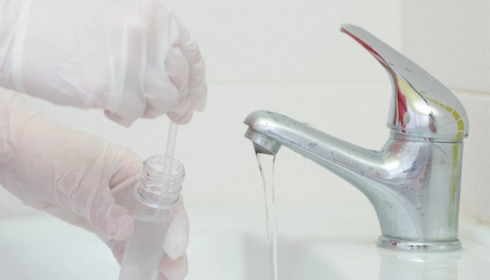
Here’s the thing: your water might look, smell, and even taste fine—but appearances can be deceiving. The only way to really know what you’re drinking, cooking with, and bathing in is through proper testing. And no, we don’t mean sticking a test strip in your sink and hoping for the best.

Even municipal water systems, while generally safe, can still deliver water that picks up contaminants along the way—think aging pipes, industrial runoff, or regional water table issues. And if you’re on well water? All bets are off. You’re solely responsible for your water quality, and without testing, it’s like rolling the dice.


Getting Answers at Home, for Free

The good news? Many reputable companies offer free in-home water testing—and that’s a game changer. No lab visits, no head-scratching over results. Just someone knowledgeable showing up with the right tools and walking you through what’s in your water.

This isn’t a sales pitch disguised as a service. It’s an opportunity to get data that can change how you protect your home, your health, and your appliances. Often, these professionals will test for things like hardness (minerals), pH, chlorine levels, iron, and other common irritants or health risks.

And yes, it’s actually free. No strings, no pressure—just insight.


Why Third-Party Testing Builds Trust

While in-home testing is convenient and informative, there are times when you want an extra layer of validation—especially if you’re considering a long-term solution or if you’re worried about specific health risks. That’s where third-party lab water testing shines.

These labs don’t sell filtration systems. They don’t have a product to push. They just analyze your water against stringent standards and deliver objective, science-backed results. This kind of data is gold when you’re trying to figure out exactly what you’re dealing with—whether it’s lead from old plumbing, arsenic from natural deposits, or high nitrate levels from nearby farms.

Think of it as a second opinion from a doctor—only for your water.


What You Might Discover (And What It Means)

Water issues can be minor annoyances or major concerns. Here’s what testing can reveal:

  • Hard water: Causes scale buildup in pipes, wrecks your appliances, and leaves skin and hair feeling dry.
  • Iron and manganese: May stain laundry and fixtures, and give water a metallic taste.
  • Chlorine and chloramines: Added by municipalities for disinfection, but can dry out skin and may form byproducts.
  • Lead or copper: Typically a result of corroded plumbing—both serious concerns.
  • Nitrates or bacteria: Often found in well water, especially in rural areas with agricultural runoff.

Once you know what’s in your water, you’re in a position to fix it—and that’s powerful.


It’s Not Just About Health—It’s About Home

We tend to think about water quality in terms of health, which makes sense. But poor water can also be silently damaging your home. Hard water wrecks washing machines and dishwashers. Acidic water corrodes pipes. Chlorine eats away at rubber seals and shortens the life of your fixtures.

And while bottled water might seem like a quick fix, it doesn’t solve anything for your showers, your laundry, or your water heater. It’s a band-aid, not a solution.


What Happens After Testing?

Let’s say you’ve had your water tested. Now what?

This is where those water treatment experts come back into play. They’ll look at your test results and help you figure out what makes sense—whether it’s a water softener, reverse osmosis system, UV treatment, or something else entirely.

The best pros won’t push a one-size-fits-all answer. They’ll look at your specific needs, your lifestyle, and your budget—and they’ll explain things in plain English. No jargon, no nonsense. Just solid advice rooted in real data.


Prevention Is the New Peace of Mind

The biggest takeaway? Don’t wait until there’s a visible problem. Water quality issues can take months or even years to show up in obvious ways. But by then, you might be dealing with expensive appliance repairs, health symptoms, or plumbing nightmares.

Testing is the first step toward peace of mind. And peace of mind? That’s worth its weight in gold.


Final Thoughts

You don’t have to be a chemist or a DIY genius to take control of your water. Start simple. Book a free in-home water testing session. If anything feels uncertain or concerning, go the extra mile with third-party lab water testing. Then, when you’re ready, let seasoned water treatment experts help you make sense of the results.

When the Pipes Talk Back: Finding Reliable Plumbers in Carlsbad and Hobbs, NM

0

Let’s be honest—plumbing issues never pop up at a good time. It’s always when you’re about to leave town, have guests arriving, or just got cozy with a cup of coffee that the sink decides to clog or the water heater throws a tantrum. And in moments like that, you don’t want to scroll endlessly through search results or deal with voicemail hell. You want someone reliable, experienced, and local. You want someone who’ll actually show up.

If you’re in southeastern New Mexico—say, Carlsbad or Hobbs—you’re in luck. The region has some seriously solid plumbing professionals. But still, not all plumbers are created equal, and when you’re knee-deep in water, you’ll want to know you’ve got the right crew on your side.

So let’s talk about what makes a plumbing service truly stand out, and why that matters more than ever when your home (or business) is on the line.


Plumbing Woes Don’t Wait for Business Hours

Leaky faucets are one thing. But a burst pipe in the middle of the night? That’s a whole different ball game. If you’ve ever had to sprint for a water shut-off valve while yelling for a bucket, you know what I mean.

This is where local experience really pays off. The best plumbers Carlsbad NM has to offer don’t just work 9 to 5. Many of them are on call, ready to jump in when things go sideways at the worst possible hour. And the best part? They know the local systems, quirks of older homes, and even the seasonal water pressure issues. That kind of insight only comes from working in the community—not just servicing it.


It’s Not Just About Pipes—It’s About Trust

Trust is everything in the trades. You’re letting someone into your home, handing over access to your plumbing system, and depending on them to fix something you probably don’t fully understand. That takes a leap of faith.

That’s why people in Hobbs tend to rely on master plumbers Hobbs NM residents trust again and again. These aren’t fly-by-night contractors with generic vans and sketchy Google reviews. These are licensed professionals who’ve been in the trenches for years—sometimes decades—earning their stripes one job at a time.

You’ll often hear stories around town about a master plumber who helped a neighbor out on a Sunday, or someone who took the time to explain exactly what they were doing and why. That’s not just service—that’s community.


The Hidden Art Behind Plumbing Work

It’s easy to think of plumbing as purely mechanical—tightening bolts, snaking drains, replacing fixtures. But ask any experienced plumber Carlsbad NM locals recommend, and they’ll tell you: there’s real strategy behind the work.

A good plumber doesn’t just fix the problem in front of them—they look at the whole picture. Is the water pressure telling them something? Is that slow drain a sign of a bigger issue down the line? Is it time to replace aging pipes before they become a full-blown crisis?

This forward-thinking approach saves homeowners a lot of future headaches. And it’s often what separates the “just okay” plumbers from the ones you recommend to friends.


Pricing Should Be Fair, Not Frightening

Plumbing emergencies can already feel overwhelming—cost shouldn’t add insult to injury. But the truth is, pricing in this industry can vary wildly. Some plumbers charge by the hour, others by the job. Some include materials, others don’t. It’s a mess if you’re not careful.

That’s why transparency matters. Many of the most respected local pros offer upfront pricing, explain what’s included, and won’t pressure you into unnecessary upgrades. If you feel like you’re being upsold instead of helped, walk away. A reputable plumber won’t just respect your plumbing—they’ll respect your budget.


Commercial Plumbing Needs a Different Set of Tools

If you’re a business owner, plumbing issues come with higher stakes. A single leak could disrupt operations, turn off customers, or lead to health code violations. That’s why commercial jobs need a specific kind of expertise—bigger systems, tighter regulations, and often, faster turnarounds.

Plumbers with commercial experience know how to work behind the scenes, after hours if needed, with minimal disruption. They’ll coordinate with building managers, stick to timelines, and keep things compliant. And in places like Hobbs and Carlsbad, where small businesses are the backbone of the community, that kind of service goes a long way.


What to Look for Before You Book

Not sure where to start? Here’s a quick checklist that can save you time and stress:

  • Licensing & insurance – Non-negotiable.
  • Local reviews – Not just the star rating; read the actual stories.
  • Clear estimates – Avoid “ballpark” pricing without details.
  • Responsiveness – If they take forever to call back, imagine how long the job might take.
  • Clean, respectful service – You’re letting them into your home. Professionalism matters.

Final Thoughts: The Plumber Is More Than the Pipe

At the end of the day, a great plumber is more than someone who fixes a leak. They’re part of a larger story—the people who keep homes comfortable, businesses running, and stress levels in check when things go awry. They’re the unsung heroes who don’t just bring the tools, but the know-how, patience, and problem-solving mindset that makes the mess manageable.

The Power of Clean Water: Why It’s Time to Rethink What You’re Drinking

0

We don’t think about water until it becomes a problem. A strange taste. A weird smell. Maybe even a boil advisory alert on the local news. But water — the one thing we can’t live without — often gets taken for granted. Here’s the thing: clean, safe, good-tasting water isn’t a luxury. It should be a given. And thanks to advances in home filtration and expert-driven systems, it finally can be.

Let’s talk about how you can take control of your water quality and what that really means for your health, your home, and even your peace of mind.


Tap Water Isn’t Always What It Seems

You turn on the faucet and expect clean water, right? But public water systems — as regulated as they are — can still contain traces of chlorine, lead, bacteria, pesticides, and even microplastics. And if you’re on well water? The risks multiply, especially without regular testing.

But even when water looks clean, that doesn’t mean it’s ideal. That subtle metallic taste or faint sulfur smell might not seem like a big deal… until it starts affecting what you cook, how your skin feels, or how much your kids want to drink it.

That’s where infinite water solutions step in — a concept rooted in systems that deliver consistently purified water throughout the entire home, day after day.


You Deserve More Than Bottled Water (And It’s Costing You)

Maybe you’ve already made the switch — you avoid the tap and reach for bottled water instead. It’s convenient, sure. But it’s also expensive. And not just financially.

All that plastic? It adds up — in landfills, oceans, and your recycling bin. Plus, bottled water isn’t always regulated to a higher standard than tap. In many cases, you’re paying for filtered municipal water in a fancy bottle.

It’s not sustainable. Not long term. Not for your budget, your family, or the planet. The smart shift? Invest in a system that gives you clean, great-tasting water straight from the tap.

This is where water treatment experts really earn their name. They don’t just install filters — they assess your specific needs, test your water, and recommend the right solution for your home’s unique challenges.


Every Drop Counts — Especially for Your Appliances

Think about your coffee maker, dishwasher, water heater, and washing machine. Now think about what hard water or untreated water does to them over time — build-up, clogs, inefficiency, early breakdown.

Water treatment isn’t just about what you drink. It’s about protecting the systems in your home. Softened and filtered water reduces wear and tear on your appliances and plumbing, saving you money (and headaches) down the road.

So if your water has scale deposits, leaves streaks on your glasses, or your clothes feel stiff out of the dryer… don’t blame your appliances. It might be your water.


Testing Is the First Step

You can’t fix what you don’t understand. That’s why a free water test is the game-changer most homeowners don’t even realize they need. It’s fast, painless, and gives you insight into exactly what’s in your water — from chlorine levels to pH balance to invisible contaminants.

A good test gives you a starting point. A great one comes with clear guidance on how to fix it.

The best companies don’t push a sale — they educate. They let the numbers speak. And once you know what you’re drinking, bathing in, and washing with, it’s hard to go back.


Not All Filters Are Created Equal

Ever picked up a cheap water pitcher filter from the store and felt like you were doing the right thing? You were — sort of. But basic filters can only do so much. They might reduce chlorine or improve taste, but they can’t tackle hard water minerals, heavy metals, or bacteria.

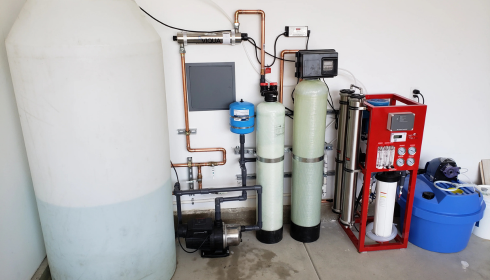
A true whole-home system — whether it’s a reverse osmosis setup, a water softener, or a UV treatment system — gets to the root of the problem. And it does it at scale, not just for a glass or two.

That’s why working with pros matters. They’ll steer you toward systems that suit your water source, family size, and usage habits. And they’ll make sure it’s installed and maintained the right way.


Why This Isn’t Just a “Nice-to-Have”

Clean water isn’t a status symbol. It’s foundational to your well-being. Better water means:

  • Fewer skin irritations
  • Improved digestion
  • Better-tasting food and drinks
  • Longer-lasting appliances
  • Cleaner laundry
  • More hydrated kids (and adults!)

It also means one less thing to worry about — and in a world that constantly throws new worries at us, that peace of mind is priceless.


So… Is It Time to Act?

You don’t have to overhaul your entire plumbing system tomorrow. But you can take the first step today. Whether that’s scheduling a free test, calling a specialist, or just paying closer attention to the taste and feel of your water — it matters.

Water is life. Literally. And upgrading your water quality might be one of the easiest, smartest health decisions you ever make.


Final Thoughts

You wouldn’t ignore weird noises from your car engine. You wouldn’t skip annual checkups for your health. So why ignore your water?

When something so essential — so personal — can be improved with a little knowledge and the right help, it’s worth it. And with passionate pros, innovative systems, and smarter tools than ever, clean water is no longer out of reach. It’s right there at the tap… if you let it be.

A Candid Look at Softeners, Filters, and What Actually Works

0

Let’s talk about water. Not the dramatic, crashing-ocean kind. Just the simple, everyday stuff flowing from your kitchen tap, filling your glass, your coffee maker, your kid’s water bottle. The kind of water that quietly shapes your day without asking for much in return. Until, of course, it starts tasting metallic, staining your sink, or making your hair feel like hay. That’s when people start asking the big question: What’s actually in my water—and how do I fix it?

Welcome to the not-so-glamorous, but incredibly important world of water quality—and why more homeowners are turning to solutions like filters, softeners, and advanced treatment systems to make every drop count.


The Subtle But Real Problem With Tap Water

Most people don’t think twice about the water that comes out of their faucet—until something changes. Maybe it’s the smell, the residue on the dishes, or the weird aftertaste in your morning coffee. Or maybe it’s the skin irritation that seems to follow every shower.

Municipal water systems in the U.S. generally do a good job keeping things “safe,” but safety isn’t always the same as quality. What’s legal isn’t necessarily what’s ideal. Your water may still carry hardness minerals, chlorine, sediment, or traces of contaminants that build up over time.

And this is where water softeners enter the scene—not as some overhyped gimmick, but as a legit solution for households dealing with stubborn hard water.


Water Softeners Aren’t Just for Showers

If you’ve ever lived with hard water, you know the drill—white scale on faucets, dull laundry, clogged appliances, and a general “why-does-nothing-feel-clean” vibe. Water softeners help tackle this by removing calcium and magnesium ions that cause water hardness.

But here’s the thing nobody tells you: soft water isn’t just about smoother skin and cleaner dishes. It also prolongs the life of your appliances. Your water heater, washing machine, and dishwasher will thank you. Soft water makes detergents work better, reduces soap scum, and helps you use less shampoo or body wash without compromising on that fresh, clean feel.

It’s not glamorous. It’s not trending on Instagram. But it works—and for many homes, it makes a world of difference.


Going Beyond Softening: The Rise of Whole-House Treatment

While softeners solve one part of the puzzle, they’re not the whole story. Especially not in areas where chlorine levels are high or where water quality fluctuates with seasons, construction, or municipal changes.

That’s where whole house water treatment systems come in. These aren’t just filters under your kitchen sink—they’re full-on protectors that treat every single drop entering your home. From the shower to the laundry room to your toothbrush, whole-house systems can filter out sediments, chemicals, VOCs, and more depending on the type of media used.

Think of it like putting your water through a “spa day” before it touches anything in your house. The goal isn’t just taste—it’s health, consistency, and peace of mind. Your home deserves that. Your family definitely does.


What About Reverse Osmosis? Is It Worth It?

Reverse osmosis (RO) systems are kind of the gold standard when it comes to ultra-purified drinking water. These systems push water through a semi-permeable membrane, filtering out an impressive list of contaminants—like lead, arsenic, nitrates, fluoride, and more.

But they’re not perfect. They tend to waste water during the process, and they strip out good minerals along with the bad. So, should you get one?

If your main concern is clean, clear, safe drinking water—especially if you’re on a well or in an area with questionable water reports—then absolutely. Reverse osmosis systems offer some of the purest water you can get at home, and modern models have become far more efficient.

Still, don’t expect RO systems to replace everything else. They’re great for your drinking and cooking water—but not designed to handle whole-house needs like bathing, cleaning, or laundry.


One Size Doesn’t Fit All—And That’s Okay

Choosing the right water solution for your home can be confusing because there’s no universal answer. What works for your neighbor with city water might not work for your cousin who’s on a private well. That’s why starting with a proper water test matters more than hopping on the latest trend.

Some homes need just a softener. Others benefit from a combo of filtration and RO. In high-iron areas, you might need a dedicated iron filter. And if your water smells like rotten eggs (hello, sulfur), that’s another situation altogether.

Customization is the name of the game. There’s real power in knowing exactly what’s in your water, and tailoring a system that addresses your specific needs—not just generic advice from a hardware store salesperson.


The Bottom Line: Good Water Is Worth It

Water isn’t just a utility—it’s an experience you have every single day. It affects your health, your mood, your home, and even your wallet. Yet, so many people live with water that’s “just okay” because they think the upgrade is too expensive, too complicated, or too unnecessary.

Why Your Water Might Not Be As “Clean” As You Think — And What You Can Do About It

0

Let’s face it—most of us don’t give a second thought to the water flowing from our taps. It’s there when we need it, it quenches our thirst, and it gets the dishes clean (well, most of the time). But have you ever wondered what’s actually in your water? I mean, really in it?

If you’re like a lot of homeowners, you might assume the water that fills your glass is already treated and safe. And while that’s kind of true, there’s a whole world of invisible stuff swimming beneath the surface. Some of it’s harmless. Some of it? Not so much.

This isn’t a scare story, by the way. It’s just a gentle nudge toward being a bit more curious—and a bit more proactive—about the quality of something that touches nearly every part of your life.


The Truth Behind “Safe” Tap Water

Sure, public utilities do their best. There are regulations, testing protocols, treatment centers. But even the most well-meaning systems can fall short. Old pipes, outdated infrastructure, industrial runoff—these can all sneak past the checkpoints and wind up in your water.

And if you’re on well water? You’re pretty much flying solo. No municipal oversight. No regular quality checks. It’s all on you.

The thing is, issues like hard water, chlorine overuse, iron stains, sulfur odors, and even invisible contaminants like nitrates or PFAS (those “forever chemicals” everyone’s talking about) are more common than you’d think.

Enter: water treatment solutions. Not as fancy or overwhelming as it sounds—just smart, practical systems designed to make your water safer, tastier, and easier on your home.


But First—Know What You’re Dealing With

Before throwing money at filters, softeners, or UV systems, slow down and start with a simple step: test your water.

And here’s the good news—many local companies actually offer a free water test, right at your home. No pressure to buy anything. No mystery mail-in kits. Just a straightforward look at what’s coming out of your tap.

These tests can identify:

  • Hardness (a.k.a. mineral overload)
  • Iron, manganese, and sulfur levels
  • Chlorine or chloramine content
  • Acidity or pH imbalance
  • Total dissolved solids (TDS)
  • Nitrate and bacterial contamination

It’s like getting a physical for your water. And once you have the results, you can figure out the next steps without guessing.


What Kind of Water Treatment Do You Really Need?

Not all homes need a massive overhaul. Sometimes, all it takes is a targeted fix. Here are a few common setups—and what they’re good for:

Water Softeners: Great for removing calcium and magnesium that cause hard water. Softer water means fewer stains on faucets, longer life for appliances, and even silkier hair after a shower.

Whole-House Filters: Ideal if your water has sediment, chlorine, or weird smells. These catch contaminants before they ever reach your faucet.

Reverse Osmosis (RO): The gold standard for drinking water. Removes up to 99% of contaminants. Installed under the sink, it gives you a pure, crisp glass every time.

UV Purifiers: Use light to kill bacteria and viruses. Perfect for well water users or anyone in rural areas.

These aren’t one-size-fits-all. Your test results will guide what works best. And yes, there are even combo systems for those with multiple water concerns.


Let’s Talk About Salt (Yes, Really)

If you already own a water softener, you know it needs salt to do its job. But lugging 40-pound bags from the store every few weeks? Not exactly fun. And if you forget to refill, your softener can’t do much at all.

That’s why some companies offer salt delivery specials—scheduled drop-offs of exactly what your system needs, right to your doorstep. No more heavy lifting. No more last-minute store runs. And sometimes, bundled discounts make it even cheaper than DIY.

Think of it like subscribing to convenience. Your back (and your water) will thank you.


The Hidden Costs of Bad Water

Let’s be real. Water problems don’t always show up in obvious ways. Sometimes they creep in slowly.

  • Your white shirts start looking yellow.
  • You notice a faint smell when you turn on the tap.
  • Your water heater starts struggling.
  • The coffee just doesn’t taste the same anymore.

Then there are the long-term costs: ruined appliances, clogged plumbing, and unexpected doctor visits tied to waterborne contaminants. These issues don’t shout—they whisper. And they build up over time.

That’s why getting proactive isn’t just about comfort. It’s about prevention.


What About Bottled Water?

Sure, it’s convenient. And it feels clean. But bottled water comes with its own baggage—plastic waste, inconsistent quality, and the constant cost of restocking. Not to mention, some bottled brands are literally just filtered tap water with a fancy label.

If you’re relying on cases of bottled water just to drink safely at home… there’s probably a better way. A point-of-use RO system, for instance, gives you purer water, endless refills, and zero plastic guilt.


Real Talk: Water Is Personal

Every home is different. What works for your neighbor might not work for you. That’s why a personalized approach matters. Think of your water system like your HVAC—essential, often invisible, but completely worth the investment when done right.

It’s not about overcomplicating things. It’s about paying attention to something you use every single day.

And hey, if you’re unsure where to start? Schedule a free water test. Seriously. There’s no downside.


Final Thoughts: The Water You Deserve

Look—we can’t control everything. But we can control the quality of the water we drink, cook with, bathe in, and build our lives around. You don’t need to be a chemist to make smarter water choices. Just start with awareness. A little curiosity goes a long way.

Whether you’re dealing with rust stains in the toilet, dry skin that won’t go away, or just a nagging feeling that something’s not quite right with your tap water… trust that instinct.

Clearer Choices: Why Reverse Osmosis Is Quietly Revolutionizing How We Drink Water

0

Not all water is created equal. That might sound dramatic, especially if you’ve grown up thinking tap water is just… water. But if you’ve ever poured yourself a glass, took a sip, and tasted something just a little off — maybe it’s metallic, maybe a bit chlorinated, or maybe just flat-out funky — then you know exactly what we’re talking about.

Water’s supposed to be simple, right? It hydrates, it refreshes, it gives life. But with rising concerns over contaminants, microplastics, hard minerals, and all kinds of invisible nasties, more and more people are rethinking what’s coming out of their faucets. And that’s exactly where reverse osmosis quietly enters the chat.


What Is Reverse Osmosis, Really?

If the term reverse osmosis brings back high school chemistry trauma, don’t worry — it’s way less complicated than it sounds. Think of it like an ultra-selective bouncer at a club. Only the purest water molecules are allowed past the velvet rope, while all the bad stuff — heavy metals, chlorine, sediment, bacteria — gets turned away at the door.

This isn’t just filtering. It’s purifying. RO systems push water through a semi-permeable membrane that captures particles as small as 0.0001 microns. That’s microscopic. The result? Clean, crisp, better-tasting water, right from your kitchen sink. No more guessing what might be floating in your glass.


Searching for “Reverse Osmosis Water Near Me”? You’re Not Alone

You’d be surprised how common that search is getting. People aren’t just looking for a better way to hydrate — they’re looking for peace of mind. When someone types reverse osmosis water near me, they’re hunting for more than just directions to the nearest water refill station. They want reliable access to high-quality drinking water, ideally without the environmental guilt of single-use plastic bottles.

And here’s the truth: clean water shouldn’t be a luxury. It should be the baseline. So whether it’s for your home, your office, or your coffee shop, that search isn’t just a trend — it’s a sign that folks are waking up to the fact that what we drink matters.


Is RO Water Really That Much Better?

Let’s be real — not everyone’s a water snob. But the difference with reverse osmosis is almost always noticeable. Taste-wise, RO water tends to be smooth, almost neutral. No weird aftertaste, no chlorine smell. Just plain, fresh water the way nature probably intended it.

But here’s what really makes it stand out: confidence. Knowing your water is free from contaminants like arsenic, lead, PFAS, and nitrates? That’s priceless. Especially if you’ve got kids at home, are immunocompromised, or just care about what goes into your body.

And no, it’s not “too pure,” as some critics say. Sure, it strips out minerals — but those minerals make up a tiny percentage of your daily intake. You’re still getting calcium and magnesium from fruits, veggies, and other foods. If anything, it’s one less variable to worry about.


The Rise of Smart Water Solutions

These days, there are all kinds of fancy smart-home gadgets on the market. But few have the long-term value of a good water system. That’s why brands like Purfect Water Solutions are gaining popularity. They’re not just pushing products; they’re offering tailored systems based on your local water quality, lifestyle, and even space constraints.

Unlike those one-size-fits-all filters you see on late-night infomercials, purfect water solutions works with you to figure out what your household actually needs. Got hard water? They’ll recommend pre-filters. Have iron problems? They’ll know how to handle that too. It’s that kind of attention to detail that makes the difference.

And let’s not ignore the service side — having real humans (not bots) answer your questions or help with installation goes a long way in an age of endless customer service frustration.


From Coffee to Cooking, Water Touches Everything

Here’s a fun little experiment: brew a cup of tea using regular tap water. Then brew another using RO water. The difference will probably blow your mind. Same tea bag, same temperature — but one will taste smoother, cleaner, maybe even a bit brighter.

Water plays a behind-the-scenes role in just about everything in your kitchen. It boils your pasta, steams your rice, makes your morning coffee sing, and even helps your sourdough starter thrive (if you’re into that sort of thing). So when the quality of your water improves, so does the quality of your food and drinks — often in ways you didn’t expect.


A Few Things to Consider Before Installing RO

Alright, so maybe you’re sold on the idea. But before you rush off to buy a system online, slow down for a sec. Here are a few pointers:

  • Get your water tested. Some municipalities offer reports for free, but private testing kits are also widely available. It helps to know what you’re dealing with.
  • Not all RO systems are equal. Cheaper units might skip essential steps like carbon filtering or remineralization. Pay attention to the details.
  • Check for space. Under-the-sink systems need room for both the filter and a storage tank.
  • Maintenance matters. Filters typically need replacing every 6–12 months. Set reminders, or better yet, subscribe to a replacement program.
  • Water pressure is key. Low pressure can reduce RO efficiency. Booster pumps can solve this, but they’re an extra cost.

Do a little homework — your future self (and your taste buds) will thank you.


The Bigger Picture: RO and the Environment

This one’s worth mentioning. Yes, reverse osmosis systems do produce wastewater — typically around 3–4 gallons per gallon of purified water. But in the grand scheme of things, it’s still a massive improvement over buying single-use plastic bottles, both in terms of water conservation and pollution.

And with advances in technology, newer RO systems are getting more efficient by the year. Some even offer zero-waste features, re-routing rejected water for tasks like dishwashing or laundry. Pretty neat, huh?

So while no system is perfect, the environmental trade-off often leans heavily in favor of RO — especially if you’re already committed to reducing plastic waste in your daily life.


Parting Thoughts

Water’s not just a drink — it’s part of our routine, our rituals, our recipes. It shapes the flavor of our meals, the texture of our bread, the smoothness of our morning coffee. So why not give it the care and quality it deserves?

If you’ve been Googling around, wondering whether this is the right time to look into reverse osmosis, the answer might just be yes. Not because it’s trendy, but because it makes sense. Clean water, reliable access, no fuss — just one less thing to stress about in a world full of noisy choices.

What’s in the Water? A Long Islander’s Honest Take on Clean Drinking and Smarter Living

0

We don’t always think about it — the water pouring from our taps, filling our coffee pots, running over our dishes. It’s just there, right? A quiet, invisible part of our every day. Until one day, it’s not. Maybe it tastes a little off. Smells weird. Leaves a chalky film on your glassware. Or maybe you read something that sticks with you — about contamination, PFAS, or outdated piping under your neighborhood.

Then it hits you: clean water isn’t just expected. It’s earned — through awareness, through action, and yep, through a little bit of local know-how.

So let’s talk about it. Specifically, let’s talk about Long Island — where the water story is more complicated than most people realize.


Beneath the Surface: What Makes Long Island’s Water So Unique?

First off, a quick geography lesson (don’t worry, no quizzes). Long Island gets its drinking water from a system of underground aquifers. That’s right — no fancy pipeline from upstate, no reservoir tucked in the hills. Just deep layers of sand and gravel that filter rainwater as it trickles down over time. Sounds natural and kind of beautiful, honestly.

But here’s the catch: what seeps down also carries whatever we put on the surface. Think lawn chemicals, road salt, fuel leaks, industrial waste, and decades of, well… not exactly forward-thinking planning.

That’s how Long Island clean water became more than just a basic need — it became a conversation. A concern. A cause for many folks, especially those raising families, managing health issues, or simply trying to avoid bottled water dependency.


It’s Not About Fear — It’s About Knowing Your Options

Let’s pause for a second. This isn’t about panic or fear-mongering. No one’s saying your tap is poison or that you need to shower in spring water. But here’s the thing: awareness matters. Especially when it comes to what you and your family consume daily.

Water reports can be confusing. Acronyms like VOCs, PFAS, nitrates — they swirl around like alphabet soup. But at the end of the day, what most Long Islanders want to know is simple: is my water safe? And if not — what can I do?

That’s where Long Island water filtration systems come into play. They’re not all created equal. Some are built just to improve taste or remove basic sediment. Others go deeper — like whole-house systems that tackle serious contaminants at the source, before they hit your faucets, laundry machines, or even your shower steam.

You don’t have to understand every chemical on your water report. But knowing you have a filter that does? That peace of mind is worth every penny.


Stories from the Sink: Real People, Real Changes

Let me tell you about my neighbor. Mid-40s, two kids, big on gardening, always tinkering with something in the garage. For years, he brushed off the idea of filtration — said the town handles that. Until his youngest developed a stubborn skin rash. Countless creams, doctor visits, and allergy tests later, someone finally asked, “Have you looked into your water?”

They installed a basic under-sink filter. Within a few weeks, the rash faded. Coincidence? Maybe. But for him, that tiny shift changed how he saw everything — from what went in his kids’ lunchboxes to what brand of fertilizer he used on the lawn.

His story isn’t rare. More and more Long Islanders are waking up to the idea that clean living isn’t just organic groceries and meditation apps. It’s the stuff that flows through our pipes. Quiet. Constant. And sometimes — overlooked.


What’s Actually in Your Glass?

Let’s talk specifics. Depending on where you live on the island, your water might have higher levels of iron, chlorine, or even volatile organic compounds (those pesky VOCs). And while most of these are “within safe limits” according to regulatory standards, those limits are constantly evolving — often after the damage is done.

And here’s the kicker — many people don’t realize just how variable Long Island water quality can be from one neighborhood to the next. One block might have clean reports; a few miles away, you’re dealing with legacy pollution from an old industrial site.

That’s why testing matters. Not just once, but regularly. And why choosing a filtration system should never be a one-size-fits-all decision. What works for someone in Suffolk might be overkill (or not enough) for someone in Nassau.


You Don’t Need to Be a Scientist — Just a Little More Curious

Let’s be honest: most of us don’t want to spend hours reading EPA documents or debating water chemistry with our plumber. We just want water that tastes clean, feels good on the skin, and doesn’t make us second-guess boiling pasta.

That’s okay. You don’t need to become an expert. But you can be a more informed homeowner, renter, or parent. Ask questions. Look at your water district’s reports. Talk to your neighbors. And when it’s time to upgrade your system, work with someone who actually understands Long Island’s specific water profile — not just some chain store peddling overpriced gear.

Because when you get the right setup? Everything improves. Your coffee tastes better. Your dishes sparkle more. Your hair feels softer. And that little voice of “I wonder what’s really in this?”? It finally goes quiet.


The Bigger Picture: Why It All Matters

Sure, this is about individual choices — about your home, your body, your daily rituals. But zoom out a bit, and it’s also about something bigger.

Clean water is tied to environmental justice, public health, and community resilience. Every time someone installs a better filter, pushes for stricter regulations, or educates their kids about sustainability — that ripple spreads.

Long Island might be a tangle of towns and zip codes, but we share the same groundwater. What we protect today, we pass down tomorrow. And that, more than anything, is worth caring about.


In Closing: Small Steps, Big Difference

No one’s saying you need to overhaul your entire house overnight or turn into a water activist. But maybe this is the week you test your tap. Or research filter options. Or talk to your neighbor about that odd metallic taste you both noticed last week.

Your Home Should Breathe With You: Designing Spaces That Actually Feel Like You

0

You ever walk into someone’s home and instantly feel like it’s them? Not just decorated… but alive with their energy? Their quirks, their stories, their style, even their silence? That’s the magic of a thoughtfully designed space. It’s not just paint and pillows—it’s a reflection of a person’s rhythm, habits, and hopes. It’s their world, quietly whispering, “This is who I am.”

And honestly? That’s what good interior design should do.

Forget the stiff catalog spreads or the pressure to keep up with the latest Pinterest trend. Your space doesn’t need to scream sophistication or minimalism or coastal grandma vibes (unless that’s your thing—go off). It just needs to feel right.


Where Design Meets the Messy, Beautiful Reality of Living

Let’s be real: life isn’t always neat. It’s busy. Chaotic. Unexpected. You’ve got kids running through the living room, a dog who thinks the couch is his, that one drawer that catches every charger you’ve ever owned. Design that works doesn’t fight this reality—it moves with it.

That’s why more and more people are asking for tailored interior design solutions. Not cookie-cutter layouts or beige-on-beige templates. But solutions made for their lives.

Because a young couple working from home needs something different than a family of five with a golden retriever and a piano. One size does not fit all—especially not when it comes to the place you spend most of your time in.

A tailored solution means your space is designed with your habits in mind. Do you cook elaborate meals? You might need deep drawers, spice racks, and extra prep zones. Are you a book hoarder? Built-in shelves and warm lights could be your best friends. Night owl or early riser? Lighting makes a huge difference.


Spaces That Do More Than Just Look Good

It’s easy to focus on appearances. Sleek tiles, open shelving, matching tones. But true design goes beyond that. It functions. It whispers comfort. It anticipates your needs before you even voice them.

Take the hallway bench you sit on while lacing up your shoes. The soft lamp in the corner that calms your nerves after a long day. The reading nook that doubles as a hideaway during Sunday thunderstorms. That’s design serving you—not just impressing guests.

Design is never just about how something looks. It’s about how it feels. And even more than that—how it lives.


Your Space, Your Story

Every person has a story. Every home should tell it. Through color, texture, layout, and light. Through the unexpected treasures collected during travels or inherited from family. Through that odd wall you didn’t know what to do with but somehow became your favorite part of the house.

This isn’t about following trends or what your neighbor is doing. It’s about tuning into your lifestyle. Are you constantly hosting dinner parties? You’ll want flowing spaces and a kitchen that invites people in. More of a solitary soul who recharges in silence? You’ll lean toward calming tones and private corners.

Design is most successful when it disappears into the background of your life, quietly making it easier, softer, more you.


It’s Not About Perfection—It’s About Personality

Here’s a little secret: perfect homes don’t exist. Real homes have mismatched mugs, cluttered countertops, and throws that never quite stay in place. And that’s the point.

Your home should grow with you. It should evolve as you change. That corner you once used for a yoga mat might now hold a crib. The guest room may become a creative studio. Good design allows for this fluidity. It gives you the freedom to live without feeling trapped by furniture that’s too precious or layouts that just don’t work anymore.

And that’s the beauty. Your home doesn’t need to be flawless. It just needs to be yours.


Investing in Your Environment Is Investing in Yourself

We talk so much about self-care. Meditation apps, green juices, therapy (all great things, by the way). But how often do we consider our space as part of that care?

Your environment affects your energy. It impacts your focus, your creativity, your stress levels. A well-lit, well-laid-out room can completely shift your mood. It can help you sleep better, think clearer, even argue less (true story—clutter stresses us out).

So, when you invest in creating a space that works for you—not against you—you’re not being indulgent. You’re being wise.


Design Doesn’t Have to Be Overwhelming

“But I’m not creative.” “I don’t know where to start.” “Isn’t it expensive?”

These are the whispers that hold so many people back from making changes. But here’s the truth: you don’t have to be a designer to make thoughtful choices. Start small. One room. One corner. One change. Maybe it’s rearranging furniture for better flow. Maybe it’s switching to warmer lighting. Maybe it’s painting a wall that’s never made you smile.

And if budget is a concern? That’s okay too. Design doesn’t mean high-end or high-cost. It means intentional. Even a thrifted lamp or a fresh set of curtains can shift the energy in a space.


Collaborating with the Right People Makes All the Difference

If you do choose to bring in professionals, make sure they listen. Not just to what you say—but to what you don’t. The way you pause when talking about your kitchen. The longing in your voice when you mention your grandmother’s old armchair. The things you wish you had room for, but never dared ask.

A good designer isn’t there to impose their style. They’re there to interpret yours, to help you create a space that feels like home before it’s even finished.

Because when it’s done right, you don’t just walk into your house—you exhale.


The Bottom Line: Create a Space That Loves You Back

At the end of the day, your home isn’t just a building. It’s where your life unfolds. It’s where laughter echoes, tears fall, dreams are scribbled on napkins, and quiet mornings stretch into lazy afternoons.

It deserves thought. Attention. Love.

Whether you go bold or subtle, modern or eclectic, luxurious or laid-back—what matters is that it feels like you. That it reflects the way you live, the things you value, the pace you move at.

Because great design doesn’t speak the loudest—it listens the best.

Finding the Right Appliance Store Doesn’t Have to Feel Overwhelming

0

There’s a strange moment that hits you when an appliance dies. It’s that mix of irritation and urgency—like when your washing machine stops mid-cycle, leaving your clothes swimming in soapy water, or when the oven gives up right before guests arrive. Suddenly you’re thrown into the world of researching brands, checking reviews, comparing features you didn’t know existed, and trying to figure out where to actually buy the thing. And honestly, that’s where most people get stuck. Appliances are a big purchase, and nobody wants to make the wrong one.

Some days, it feels like the more options we have, the harder it becomes to choose. But take a breath—finding good appliances and a trustworthy applicance connection isn’t as complicated as it seems. Most of us just want a store that feels fair, straightforward, and helpful. A place where you can walk in and not immediately feel lost in a maze of shiny machines with features you don’t need. And yeah, a place close enough so you don’t spend your entire day driving around.


The Search Always Starts Close to Home

There’s something comforting about buying big-ticket items from places near you. Maybe it’s the instinct to shop local, or maybe it’s just practical—who wants to haul a refrigerator across town? But most people start by pulling out their phone and typing something like appliance connections near me because it’s simple, it’s fast, and it narrows down the overwhelm instantly.

But the search isn’t just about distance. You’re actually looking for trust. Convenience is good, but feeling confident you’re buying the right product from the right place—that’s even better. Local stores often surprise you with better service, better advice, and sometimes even better pricing than the big-box chains. And if something goes wrong, you’re not stuck on hold with a corporate call center. You’re dealing with real people who actually care.


Why Birmingham Stores Offer Something Different

If you’re anywhere near Alabama, you probably already know that Birmingham has its own personality—laid-back yet hardworking, friendly without being overbearing. And the local appliance stores reflect that vibe. Whether you’re upgrading your kitchen, replacing something that finally gave out, or planning a remodel, looking into appliances birmingham al opens the door to options that feel more personal.

The cool thing about local Birmingham stores is how they blend old-school service with modern inventory. You can still get the popular brands everyone talks about—your Samsungs, LGs, Frigidaires—but you also get a level of guidance you don’t always find elsewhere. Someone actually asks what you cook, how often you use your dishwasher, how big your laundry loads are. They don’t just push the most expensive model; they help you pick the one that fits your lifestyle. And honestly, that makes the buying process a lot less stressful.


The Hidden Benefit People Forget: Real Human Advice

One thing that’s easy to overlook in the age of online everything is how helpful human conversations can be. When you walk into a well-run appliance store, the staff quickly picks up on what you’re worried about—budget, warranty, installation, delivery times, energy efficiency, or even tiny kitchen spaces that require unconventional solutions.

And while online reviews are helpful, they don’t know your home. A real salesperson can point out things you may have missed:

  • Will this fridge fit through your doorway?
  • Does your laundry room have the right hookups?
  • Will your electrical panel support the oven you want?
  • Does your home’s water pressure match the dishwasher requirements?

Those little details matter—a lot. The difference between a perfect purchase and a frustrating one can come down to things as simple as door swing direction or the placement of a power outlet. These aren’t mistakes you want to discover on delivery day.


Finding the Store That Actually Cares

Here’s something most shoppers don’t realize: every appliance store has its own personality. Some are built around low prices. Some focus on premium brands. Some aim for fast delivery above everything else. And some try to offer a balanced mix of all three.