

Water is funny. We depend on it constantly, yet we rarely stop to evaluate it—until something feels off. Maybe your shower leaves a chalky film on the glass. Maybe your morning coffee tastes slightly metallic. Or maybe you’ve just grown tired of buying bottled water because you’re not fully confident in what’s coming out of your tap.
At some point, curiosity turns into research. And suddenly you’re wading through terms like filtration stages, TDS levels, hardness grains per gallon. It can feel overwhelming fast.
But here’s the thing: improving your water doesn’t have to be complicated. It just has to be thoughtful.
The Hard Water Reality
In many areas, hard water is simply a fact of life. Minerals like calcium and magnesium occur naturally, especially in groundwater. While not necessarily harmful to drink, they can wreak quiet havoc in a home.
Scale builds up inside water heaters. Faucets develop crusty residue. Soap struggles to lather properly. Skin may feel dry after a shower. Laundry comes out a little stiff.
That’s where water softeners come in.
Softening systems use an ion exchange process to reduce hardness minerals before they circulate through your plumbing. The difference isn’t dramatic in a flashy way—it’s subtle. Showers feel smoother. Cleaning takes less effort. Appliances operate more efficiently because scale isn’t building up inside them.
It’s one of those upgrades that quietly improves daily comfort without demanding attention.
Taste, Odor, and What’s Actually in Your Glass
Softening addresses minerals, but it doesn’t remove everything.
Municipal water often contains chlorine to keep it safe during distribution. While effective for sanitation, chlorine can affect taste and smell. Some people describe it as slightly “pool-like.” Others don’t notice it until they install a filter and suddenly realize what they were missing.
For households focused on drinking water quality specifically, reverse osmosis systems offer a more advanced option.
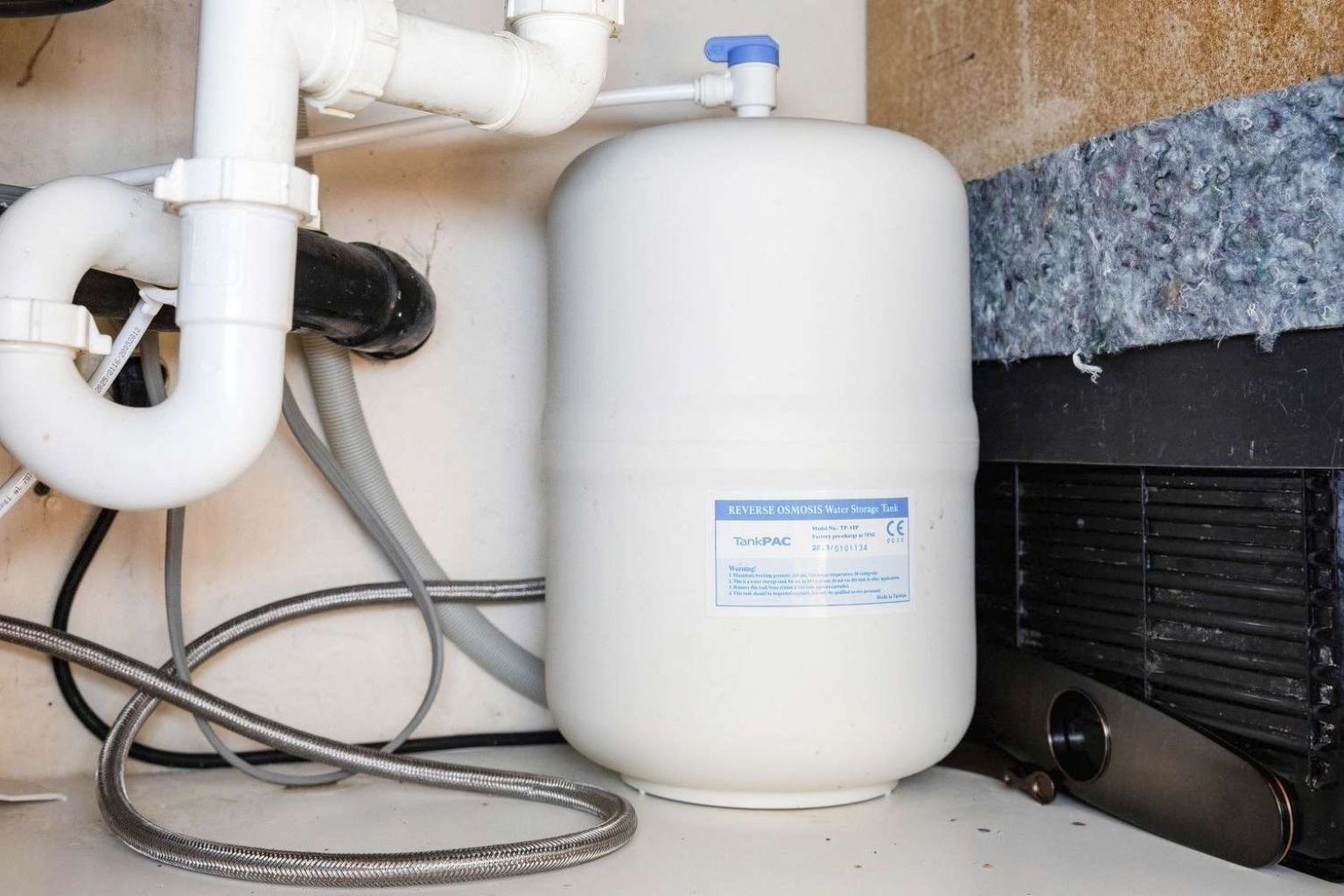
Reverse osmosis works by pushing water through a semi-permeable membrane that removes a wide range of dissolved contaminants—everything from certain heavy metals to residual salts. It’s typically installed under the kitchen sink, providing purified water for cooking and drinking.
The result? Clean, crisp water that often eliminates the need for bottled alternatives.
For many families, that alone feels like a win.
Thinking Beyond the Kitchen Sink
Sometimes, however, water concerns extend beyond just what’s in your drinking glass.
Maybe your home struggles with sediment after heavy rains. Maybe you notice chlorine odor in showers. Maybe you simply want consistent water quality throughout the house—not just at one faucet.
That’s where whole-home filtration systems enter the conversation.
Installed at the point where water enters the house, these systems treat water before it reaches any tap, appliance, or showerhead. They can reduce sediment, chlorine, and other common impurities depending on the filtration media used.
The benefit isn’t limited to taste. It’s about protecting plumbing, extending appliance life, and ensuring consistency everywhere water flows.
It’s comprehensive—but not excessive.
Starting With Testing, Not Assumptions
Before choosing any system, it’s wise to start with water testing.
Water quality varies significantly by region. Two homes a mile apart can have noticeably different mineral levels or chlorine concentrations. Guessing leads to overspending—or under-solving.
A professional water analysis provides clarity. Hardness readings. pH balance. Dissolved solids. Chlorine presence. Once you understand those numbers, the path forward becomes clearer.
You might discover you only need softening. Or perhaps drinking water filtration is your primary concern. Occasionally, a layered approach makes the most sense.
But informed decisions always outperform impulse buys.
Maintenance Is Manageable
One hesitation people often have is maintenance.
Yes, systems require care. Filters need replacement. Softener salt needs refilling. Membranes eventually wear out. But modern equipment is designed with simplicity in mind. Many systems include reminder indicators or digital alerts.
Routine upkeep prevents performance decline. It keeps water quality consistent. And it’s far less stressful than dealing with plumbing repairs caused by scale or sediment buildup.
Maintenance becomes habit, not headache.
The Subtle Emotional Benefit
There’s something reassuring about trusting your tap.
You fill a glass without second-guessing. You cook without worrying about taste. You shower without noticing mineral residue clinging to tiles.
Water fades back into the background of your daily routine.
And that’s exactly how it should be.
Avoiding the “More Is Better” Trap
It’s easy to assume the best solution involves installing everything available.
But more equipment doesn’t always mean better results.
If hardness is moderate and taste is fine, you may not need advanced filtration. If drinking water is your only concern, a point-of-use system might be sufficient.
The goal is balance—choosing solutions that match your specific water profile and lifestyle.
Thoughtful installation beats overcomplication every time.
Final Thoughts
Water influences nearly every part of home life, even when we don’t think about it. From appliance longevity to skin comfort to the taste of your morning coffee, quality matters.
By understanding how water softeners, reverse osmosis, and whole-home filtration each serve distinct roles, you can build a system that fits your needs without feeling overwhelmed.
Start with testing. Choose intentionally. Maintain consistently.
When your water feels clean, consistent, and reliable, it quietly supports everything else in your home.
And sometimes, that quiet reliability is the most satisfying upgrade of all.

