

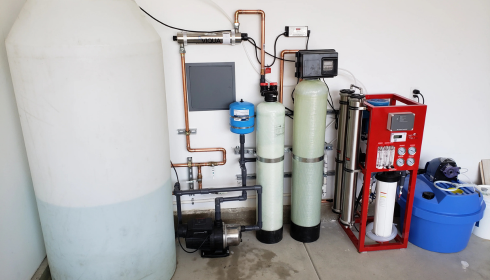
Let’s talk about water. Not the dramatic, crashing-ocean kind. Just the simple, everyday stuff flowing from your kitchen tap, filling your glass, your coffee maker, your kid’s water bottle. The kind of water that quietly shapes your day without asking for much in return. Until, of course, it starts tasting metallic, staining your sink, or making your hair feel like hay. That’s when people start asking the big question: What’s actually in my water—and how do I fix it?
Welcome to the not-so-glamorous, but incredibly important world of water quality—and why more homeowners are turning to solutions like filters, softeners, and advanced treatment systems to make every drop count.
The Subtle But Real Problem With Tap Water
Most people don’t think twice about the water that comes out of their faucet—until something changes. Maybe it’s the smell, the residue on the dishes, or the weird aftertaste in your morning coffee. Or maybe it’s the skin irritation that seems to follow every shower.
Municipal water systems in the U.S. generally do a good job keeping things “safe,” but safety isn’t always the same as quality. What’s legal isn’t necessarily what’s ideal. Your water may still carry hardness minerals, chlorine, sediment, or traces of contaminants that build up over time.
And this is where water softeners enter the scene—not as some overhyped gimmick, but as a legit solution for households dealing with stubborn hard water.
Water Softeners Aren’t Just for Showers
If you’ve ever lived with hard water, you know the drill—white scale on faucets, dull laundry, clogged appliances, and a general “why-does-nothing-feel-clean” vibe. Water softeners help tackle this by removing calcium and magnesium ions that cause water hardness.
But here’s the thing nobody tells you: soft water isn’t just about smoother skin and cleaner dishes. It also prolongs the life of your appliances. Your water heater, washing machine, and dishwasher will thank you. Soft water makes detergents work better, reduces soap scum, and helps you use less shampoo or body wash without compromising on that fresh, clean feel.
It’s not glamorous. It’s not trending on Instagram. But it works—and for many homes, it makes a world of difference.
Going Beyond Softening: The Rise of Whole-House Treatment
While softeners solve one part of the puzzle, they’re not the whole story. Especially not in areas where chlorine levels are high or where water quality fluctuates with seasons, construction, or municipal changes.
That’s where whole house water treatment systems come in. These aren’t just filters under your kitchen sink—they’re full-on protectors that treat every single drop entering your home. From the shower to the laundry room to your toothbrush, whole-house systems can filter out sediments, chemicals, VOCs, and more depending on the type of media used.
Think of it like putting your water through a “spa day” before it touches anything in your house. The goal isn’t just taste—it’s health, consistency, and peace of mind. Your home deserves that. Your family definitely does.
What About Reverse Osmosis? Is It Worth It?
Reverse osmosis (RO) systems are kind of the gold standard when it comes to ultra-purified drinking water. These systems push water through a semi-permeable membrane, filtering out an impressive list of contaminants—like lead, arsenic, nitrates, fluoride, and more.
But they’re not perfect. They tend to waste water during the process, and they strip out good minerals along with the bad. So, should you get one?
If your main concern is clean, clear, safe drinking water—especially if you’re on a well or in an area with questionable water reports—then absolutely. Reverse osmosis systems offer some of the purest water you can get at home, and modern models have become far more efficient.
Still, don’t expect RO systems to replace everything else. They’re great for your drinking and cooking water—but not designed to handle whole-house needs like bathing, cleaning, or laundry.
One Size Doesn’t Fit All—And That’s Okay
Choosing the right water solution for your home can be confusing because there’s no universal answer. What works for your neighbor with city water might not work for your cousin who’s on a private well. That’s why starting with a proper water test matters more than hopping on the latest trend.
Some homes need just a softener. Others benefit from a combo of filtration and RO. In high-iron areas, you might need a dedicated iron filter. And if your water smells like rotten eggs (hello, sulfur), that’s another situation altogether.
Customization is the name of the game. There’s real power in knowing exactly what’s in your water, and tailoring a system that addresses your specific needs—not just generic advice from a hardware store salesperson.
The Bottom Line: Good Water Is Worth It
Water isn’t just a utility—it’s an experience you have every single day. It affects your health, your mood, your home, and even your wallet. Yet, so many people live with water that’s “just okay” because they think the upgrade is too expensive, too complicated, or too unnecessary.

