

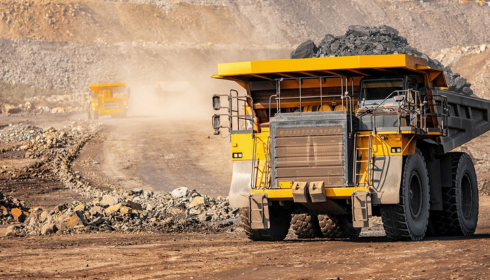
Mining equipment transport services are a critical backbone of modern mining operations, ensuring that heavy machinery and oversized industrial assets are moved safely, efficiently, and in full compliance with regulations. From massive excavators and drilling rigs to haul trucks and crushing systems, mining equipment requires highly specialized logistics planning that goes far beyond standard freight transportation.
In today’s competitive mining industry, delays in equipment delivery can significantly impact production timelines, operational costs, and project profitability. That is why companies like Heavylux focus on delivering structured, precision-based logistics solutions designed specifically for heavy industrial and mining requirements.
The complexity of mining logistics continues to grow as operations expand into remote and challenging environments. This makes mining equipment transport services not just a support function, but a strategic component of successful mining projects.
Importance of Mining Equipment Transport Services in Modern Industry
Transporting mining machinery is not simply about moving cargo from one location to another. It requires engineering precision, regulatory compliance, and careful coordination across multiple stakeholders.
Key reasons these services are essential include:
- Mining equipment often exceeds legal road size and weight limits
- Specialized trailers and modular transport systems are required
- Infrastructure limitations demand advanced route planning
- Strict government permits and compliance regulations must be followed
- Improper handling can result in costly damage and downtime
Without professional mining equipment transport services, mining companies face increased risks of delays, financial losses, and operational inefficiencies.
In many cases, transport planning begins long before equipment is manufactured, ensuring that logistics considerations are integrated into the project lifecycle from the start.
Planning Process in Mining Equipment Transport Services
A successful transport operation begins with detailed planning. Every mining asset presents unique challenges depending on size, weight, and structural design.
Equipment Assessment and Logistics Engineering
The first step involves a comprehensive assessment of:
- Equipment dimensions and weight distribution
- Structural stability and disassembly requirements
- Center of gravity and load balance points
- Special handling instructions from manufacturers
This phase ensures the correct transport method is selected, reducing risks during loading and transit.
Route Survey and Infrastructure Analysis
A critical part of mining equipment transport services is route evaluation. This includes:
- Bridge load capacity analysis
- Road width and clearance measurement
- Sharp turns and elevation challenges
- Urban and rural traffic constraints
Advanced GIS mapping tools and simulation software are often used to identify the safest and most efficient transport routes.
Risk Management and Contingency Planning
Risk assessment is integrated into every stage of logistics planning. Potential risks include:
- Weather disruptions such as heavy rain or flooding
- Road damage or construction zones
- Mechanical breakdowns of transport vehicles
- Unexpected permit delays
Contingency plans ensure that alternative routes and backup schedules are always available.
Compliance and Regulatory Requirements
One of the most complex aspects of mining equipment transport services is regulatory compliance. Heavy haul transport is governed by strict rules that vary across regions and countries.
Key compliance requirements include:
- Oversized load permits from transportation authorities
- Escort vehicle regulations for wide or heavy loads
- Time-restricted travel windows in certain jurisdictions
- Environmental and safety compliance documentation
Failure to comply can result in severe penalties, delays, or even seizure of equipment.
Professional logistics providers ensure all documentation is prepared and approved before transport begins, reducing legal risks for mining operators.
Specialized Equipment Used in Mining Equipment Transport Services
Transporting mining machinery requires highly specialized equipment designed for extreme weight and size conditions.
Heavy-Duty Transport Trailers
These include:
- Multi-axle hydraulic trailers
- Modular low-bed trailers
- Extendable platform trailers
They are engineered to distribute weight evenly and maintain stability during transport.
Loading and Unloading Systems
Heavy machinery is loaded using:
- Industrial cranes with high load capacity
- Hydraulic lifting systems
- Ramp-assisted loading platforms
Precision is critical during this phase to avoid structural stress or damage.
Load Securing Technology
To ensure safety during transit, advanced securing methods are used:
- High-tension chains and binders
- Hydraulic locking systems
- Anti-slip surfaces and stabilizers
These systems prevent movement and vibration-related damage during transportation.
Technology in Mining Equipment Transport Services
Modern logistics has evolved significantly with the integration of advanced technologies that improve safety, visibility, and efficiency.
GPS Tracking and Real-Time Monitoring
Real-time tracking systems provide:
- Live location updates
- Route deviation alerts
- Speed and safety monitoring
- Estimated arrival times
This ensures full transparency throughout the transport process.
AI-Powered Route Optimization
Artificial intelligence is used to:
- Predict traffic congestion
- Identify fuel-efficient routes
- Reduce travel time and risks
- Improve scheduling accuracy
Digital Documentation Systems
Paper-based permits are being replaced by digital systems that allow:
- Faster approval processes
- Reduced administrative delays
- Centralized compliance tracking
These innovations make mining equipment transport services more efficient and reliable than ever before.
Challenges in Mining Equipment Transport Services
Despite technological advancements, several challenges continue to affect heavy logistics operations.
Infrastructure Limitations
Many mining sites are located in remote areas with:
- Weak or unpaved roads
- Limited bridge capacity
- Narrow access routes
These conditions require careful transport planning and sometimes infrastructure reinforcement.
Weather and Environmental Conditions
Extreme weather events can significantly impact logistics:
- Heavy rainfall causing road flooding
- High temperatures affecting machinery performance
- Dust storms reducing visibility
High Operational Costs
Mining logistics involves significant expenses, including:
- Fuel for heavy transport vehicles
- Permit acquisition fees
- Escort and security services
- Specialized equipment rental
Safety Risks
Safety remains a top priority in all mining equipment transport services due to:
- High-risk loading operations
- Oversized load instability
- Road traffic hazards
Proper training and safety protocols are essential to mitigate these risks.
Best Practices for Safe Mining Equipment Transport Services
Industry leaders follow strict procedures to ensure safety and efficiency at every stage.
Pre-Transport Preparation
This includes:
- Full mechanical inspection of equipment
- Partial disassembly for oversized components
- Load weight verification and documentation
Secure Loading Procedures
Best practices include:
- Balanced weight distribution
- Multi-point restraint systems
- Shock absorption materials
Escort and Communication Protocols
For oversized loads:
- Pilot escort vehicles guide transport routes
- Constant communication is maintained between drivers and control centers
- Emergency response systems are kept on standby
Post-Delivery Checks
After arrival:
- Equipment is reassembled if required
- Operational testing is conducted
- Condition reports are finalized
Business Benefits of Mining Equipment Transport Services
Efficient logistics directly contributes to mining success and profitability.
Reduced Operational Downtime
Timely delivery ensures:
- Faster project activation
- Continuous mining operations
- Reduced idle equipment time
Cost Efficiency
Proper logistics planning reduces:
- Fuel consumption
- Equipment repair costs
- Regulatory penalties
Improved Asset Protection
Careful handling extends equipment lifespan by:
- Preventing structural damage
- Protecting hydraulic systems
- Reducing wear and tear during transit
Enhanced Scalability
Reliable transport systems allow mining companies to:
- Expand into remote regions
- Deploy larger machinery fleets
- Scale production efficiently
Selecting the Right Provider for Mining Equipment Transport Services
Choosing a logistics partner is a strategic decision that directly impacts project success.
Important factors to evaluate:
- Proven experience in heavy haul logistics
- Strong safety and compliance record
- Availability of specialized transport fleets
- Transparent communication systems
- Advanced technology integration
Companies like Heavylux provide structured, end-to-end logistics solutions tailored for mining and industrial sectors, ensuring reliable performance even in complex environments.
Future of Mining Equipment Transport Services
The future of heavy logistics is being shaped by innovation, automation, and sustainability.
Automation and Smart Logistics
Future systems will include:
- Autonomous transport coordination
- Predictive maintenance for fleets
- AI-based logistics planning
Sustainable Transport Solutions
The industry is shifting toward:
- Low-emission transport vehicles
- Fuel-efficient logistics planning
- Reduced environmental impact strategies
Infrastructure Modernization
Governments and industries are investing in:
- Stronger transport corridors for mining regions
- Smart monitoring systems for roads and bridges
- Digital permit and compliance platforms
These advancements will redefine how mining equipment transport services operate in the coming years.
Conclusion
Mining equipment transport services are essential to the success of modern mining operations. They ensure that heavy and oversized machinery is transported safely, efficiently, and in compliance with strict regulatory requirements. From detailed planning and advanced route surveys to specialized equipment handling and real-time monitoring, every stage plays a vital role in operational success.
As mining projects continue to expand globally, the demand for reliable logistics solutions will only increase. Partnering with experienced providers like Heavylux helps reduce risks, improve efficiency, and ensure uninterrupted mining operations even in the most challenging environments.

