

There’s a funny thing about water—you don’t really think about it until something feels off. Maybe it’s the taste, or the way your skin feels after a shower, or those stubborn white marks that refuse to leave your taps alone. It creeps into your awareness slowly, almost politely, until one day you’re standing there wondering if “normal” water is actually good enough.
That’s where most people begin. Not with urgency, but with curiosity. And from there, it turns into a bit of a journey—figuring out what’s in your water and what, if anything, you want to do about it.
The Everyday Impact You Don’t Always Notice
Water touches everything in your home, quite literally. It’s in your coffee, your laundry, your morning shower, even the glass of water you drink before bed. And yet, we tend to treat it like it’s all the same everywhere.
But it isn’t.
Hardness levels, chemical treatments, and local infrastructure all shape the quality of what flows through your pipes. Some homes deal with mineral-heavy water, while others are more concerned about taste or potential contaminants.
And this is where solutions start to branch out.
Softening the Experience at Home
Let’s talk about the feel of water first, because that’s often the most noticeable difference. If your soap struggles to lather or your hair feels dry no matter what conditioner you use, hard water could be the reason.
That’s where water softeners come into the picture. They don’t necessarily make water “cleaner” in the way people often assume, but they do make it behave better. By reducing minerals like calcium and magnesium, they improve how water interacts with your daily routine.
Showers feel smoother. Appliances deal with less scale buildup. Even your clothes might feel a bit softer coming out of the wash.
It’s not a dramatic transformation—but it’s a consistent one.
Drinking Water: A Different Kind of Concern
Now, when it comes to what you actually consume, the priorities shift. It’s less about how water feels and more about what’s in it.
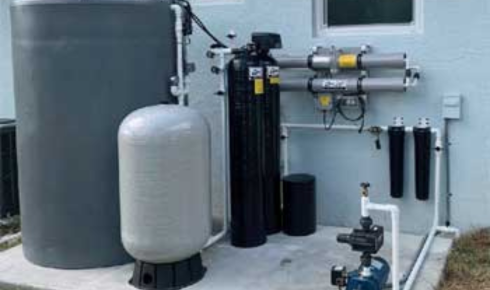
That’s where reverse osmosis systems often come into the conversation. These systems go deeper, filtering out a wide range of impurities—from dissolved solids to certain heavy metals—depending on the setup.
People who install them often say the same thing: the taste changes. Not in a flashy, noticeable way, but enough that you start preferring it over bottled water.
It’s a quiet upgrade, but one that sticks with you.
Looking at the Bigger Picture
Of course, some homeowners prefer to take a more comprehensive approach. Instead of addressing specific points, they want everything covered—from the kitchen sink to the showerhead.
That’s where whole home filtration systems come in. Installed at the main water line, they treat all the water entering your home. It’s a kind of all-in solution, one that ensures consistency across every tap.
This approach isn’t always necessary for everyone, but in areas with significant water quality concerns, it can make a noticeable difference. Less chlorine smell in showers, reduced sediment, and a more uniform experience throughout the house.
It’s less about targeting one problem and more about creating an overall sense of balance.
Choosing Without Overcomplicating It
Here’s where things can get a little tricky. Once you start exploring options, it’s easy to get pulled into comparisons, features, and technical details that may or may not matter for your situation.
But honestly, the decision doesn’t need to feel heavy.
Start with your priorities. Is your concern mostly about drinking water? Or are you noticing issues across your entire home? Are you dealing with visible buildup, or is it more about taste and smell?
These questions tend to guide you more effectively than any spec sheet.
The Subtle Benefits That Add Up
One of the interesting things about improving water quality is how quietly it affects your life. You don’t wake up one day thinking, “Everything is different now.”
Instead, you notice small shifts.
Your kettle stays cleaner longer. Your skin feels less irritated. You stop buying bottled water without even realizing it. Over time, these little changes stack up, creating a sense of ease you didn’t know you were missing.
And maybe that’s the real value—not a dramatic change, but a steady improvement in how things feel day to day.
Maintenance, Because Nothing Is Truly Set-and-Forget
It’s worth mentioning that no system is completely maintenance-free. Filters need replacing. Salt levels in softeners need checking. Occasionally, something might need a quick inspection.
But it’s rarely overwhelming. More like a routine you settle into, similar to changing air filters or servicing appliances.
The key is consistency, not perfection.
A Thought Before You Decide
If you’re still unsure which direction to take, that’s okay. Water systems aren’t something most people grow up understanding, and there’s no one-size-fits-all answer.
Sometimes, the best approach is to start small—address the most immediate concern and see how it feels. Other times, it makes sense to go all-in from the beginning.
What matters is that your choice reflects your home, your habits, and your comfort level.
Ending on a Simple Note
At the end of the day, clean water isn’t just about safety or function—it’s about how it fits into your life. How it feels, how it tastes, how little you have to think about it once everything’s in place.
And maybe that’s the goal. Not perfection, not over-engineering, but just… water that works the way you expect it to.
Quietly, reliably, without fuss.

