Most of us rarely think about plumbing until something suddenly refuses to cooperate. It’s usually a small moment at first — a sink draining slower than usual, a faint dripping sound late at night, or water pressure that feels slightly off. Easy to ignore, easy to postpone.
But plumbing systems have a way of turning small inconveniences into big disruptions if left alone too long. One minor leak can quietly damage walls, flooring, and even structural materials over time. What starts as an annoyance can quickly become an expensive repair.
And that’s when people realize something important: plumbing isn’t just about pipes. It’s about protecting the comfort, safety, and functionality of the spaces we live and work in every day.
The Invisible System That Keeps Everything Running
Think about how often you rely on water throughout a typical day. From morning showers to washing dishes, from doing laundry to staying hydrated — plumbing supports nearly every daily routine.
Yet because it works behind walls and under floors, it rarely gets attention. That invisibility is both its strength and its risk. Problems can develop quietly without obvious warning signs.
Leaks, corrosion, blockages, and pressure issues often begin subtly. By the time they become visible, they’ve already caused damage beneath the surface.
That’s why working with trusted plumbing professionals can make such a difference. Experienced technicians don’t just fix visible issues — they identify underlying causes and prevent future problems before they escalate.
Why Plumbing Issues Rarely Fix Themselves
It’s tempting to believe that minor plumbing issues might resolve on their own. A dripping faucet might seem harmless. A slow drain might feel manageable.
But plumbing systems are interconnected. A small blockage can increase pressure elsewhere in the system. A tiny leak can gradually weaken surrounding materials.
Water, after all, is persistent. It doesn’t need a large opening to cause damage — it only needs time.
Addressing issues early helps avoid costly repairs later. Preventive inspections can detect hidden leaks, worn pipes, and pressure imbalances before they become serious.
In many cases, proactive care costs far less than reactive repairs.
The Unique Needs of Home Plumbing
Plumbing in residential settings faces its own challenges. Daily use, aging infrastructure, and changing household demands all influence system performance.
Families rely on consistent water pressure, efficient drainage, and reliable hot water systems. Even small disruptions can affect comfort significantly.
Professional residential plumbing services focus on maintaining these essential systems. Technicians handle everything from leak detection and pipe replacement to water heater maintenance and fixture installation.
More importantly, they help homeowners understand how to protect their plumbing systems through simple preventive practices.
Education plays a big role in long-term reliability.
Plumbing Challenges in Business Environments
Commercial spaces face different plumbing demands compared to homes. Higher usage levels, larger infrastructure, and stricter safety requirements create more complex systems.
Restaurants, offices, hotels, and industrial facilities depend heavily on uninterrupted plumbing operations. Any failure can disrupt workflows, impact customers, and lead to financial losses.
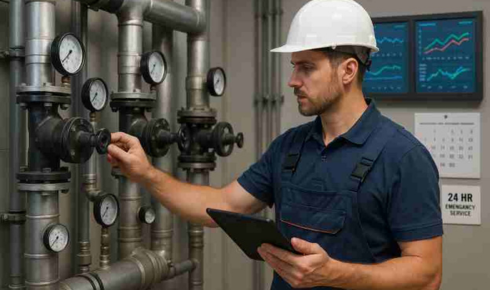
This is where specialized commercial plumbing expertise becomes essential. Technicians trained in commercial systems understand large-scale piping networks, high-capacity drainage systems, and regulatory compliance requirements.
They focus not only on repairs but also on ensuring systems can handle ongoing operational demands.
The Financial Impact of Ignoring Plumbing Problems
One of the biggest misconceptions about plumbing is underestimating the cost of small issues.
A minor leak may seem insignificant, but over time it can lead to:
- Structural damage to walls and floors
- Mold growth and health risks
- Increased water bills
- Equipment corrosion
These consequences often cost far more than addressing the initial problem early.
Preventive maintenance, regular inspections, and timely repairs help minimize these risks and protect long-term investments.
The Emotional Side of Reliable Plumbing
It might sound unusual, but plumbing reliability affects emotional well-being more than most people realize.
Imagine waking up to a flooded bathroom floor. Or dealing with a clogged kitchen sink during a busy evening. These situations create immediate stress and disrupt daily routines.
Reliable plumbing systems provide something deeper than functionality — they offer peace of mind.
Knowing that water systems will work as expected allows people to focus on their lives without worrying about unexpected disruptions.
The Importance of Professional Expertise
Modern plumbing systems combine traditional infrastructure with advanced technology. Smart water heaters, pressure regulators, and leak detection sensors require specialized knowledge to install and maintain properly.
Professional plumbers bring both technical expertise and practical experience. They understand how different components interact and how environmental factors influence system performance.
More importantly, they provide clear communication. Instead of confusion or guesswork, homeowners and business operators receive clear explanations and practical solutions.
This clarity helps build trust and confidence in long-term system reliability.
A Final Thought: Prevention Is Always Better Than Emergency
Plumbing emergencies rarely happen without warning. Most begin as small, manageable issues that gradually develop into larger problems.
Listening to early signs, scheduling regular inspections, and working with experienced professionals helps prevent stressful situations.