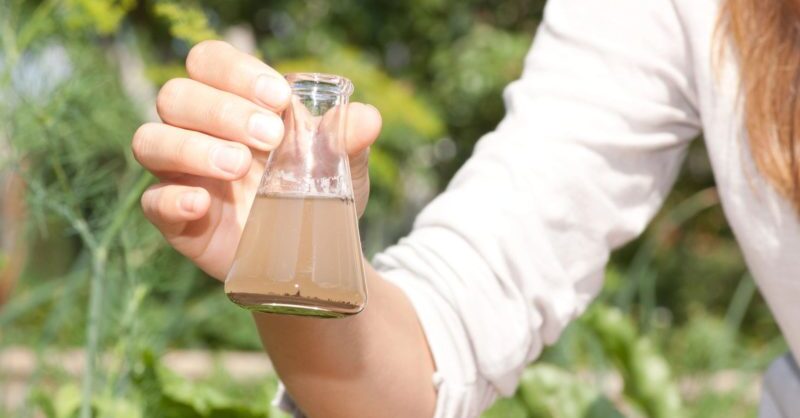
Let’s be honest: we rarely think twice about the water running from our taps. It’s there when we brush our teeth, fill the kettle, or step into a hot shower. But have you ever paused to wonder what’s actually in that water? Beyond the crystal clarity and refreshing taste, your H₂O could be hiding some not-so-welcome guests—like chlorine byproducts, lead, nitrates, or other invisible contaminants.
That’s where the real story begins. And it’s not about scaring you—it’s about empowering you. If you’ve ever second-guessed your water quality, you’re not alone. Thankfully, there’s a whole world of support out there, starting with real water treatment experts who can help decode what’s flowing into your home.
Why Water Testing Matters More Than You Think
Here’s the thing: your water might look, smell, and even taste fine—but appearances can be deceiving. The only way to really know what you’re drinking, cooking with, and bathing in is through proper testing. And no, we don’t mean sticking a test strip in your sink and hoping for the best.
Even municipal water systems, while generally safe, can still deliver water that picks up contaminants along the way—think aging pipes, industrial runoff, or regional water table issues. And if you’re on well water? All bets are off. You’re solely responsible for your water quality, and without testing, it’s like rolling the dice.
Getting Answers at Home, for Free
The good news? Many reputable companies offer free in-home water testing—and that’s a game changer. No lab visits, no head-scratching over results. Just someone knowledgeable showing up with the right tools and walking you through what’s in your water.
This isn’t a sales pitch disguised as a service. It’s an opportunity to get data that can change how you protect your home, your health, and your appliances. Often, these professionals will test for things like hardness (minerals), pH, chlorine levels, iron, and other common irritants or health risks.
And yes, it’s actually free. No strings, no pressure—just insight.
Why Third-Party Testing Builds Trust
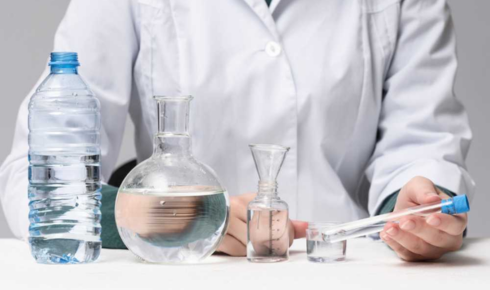
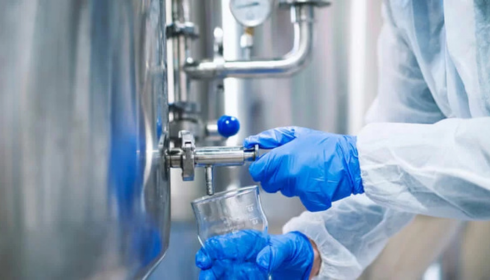
While in-home testing is convenient and informative, there are times when you want an extra layer of validation—especially if you’re considering a long-term solution or if you’re worried about specific health risks. That’s where third-party lab water testing shines.
These labs don’t sell filtration systems. They don’t have a product to push. They just analyze your water against stringent standards and deliver objective, science-backed results. This kind of data is gold when you’re trying to figure out exactly what you’re dealing with—whether it’s lead from old plumbing, arsenic from natural deposits, or high nitrate levels from nearby farms.
Think of it as a second opinion from a doctor—only for your water.
What You Might Discover (And What It Means)
Water issues can be minor annoyances or major concerns. Here’s what testing can reveal:
- Hard water: Causes scale buildup in pipes, wrecks your appliances, and leaves skin and hair feeling dry.
- Iron and manganese: May stain laundry and fixtures, and give water a metallic taste.
- Chlorine and chloramines: Added by municipalities for disinfection, but can dry out skin and may form byproducts.
- Lead or copper: Typically a result of corroded plumbing—both serious concerns.
- Nitrates or bacteria: Often found in well water, especially in rural areas with agricultural runoff.
Once you know what’s in your water, you’re in a position to fix it—and that’s powerful.
It’s Not Just About Health—It’s About Home
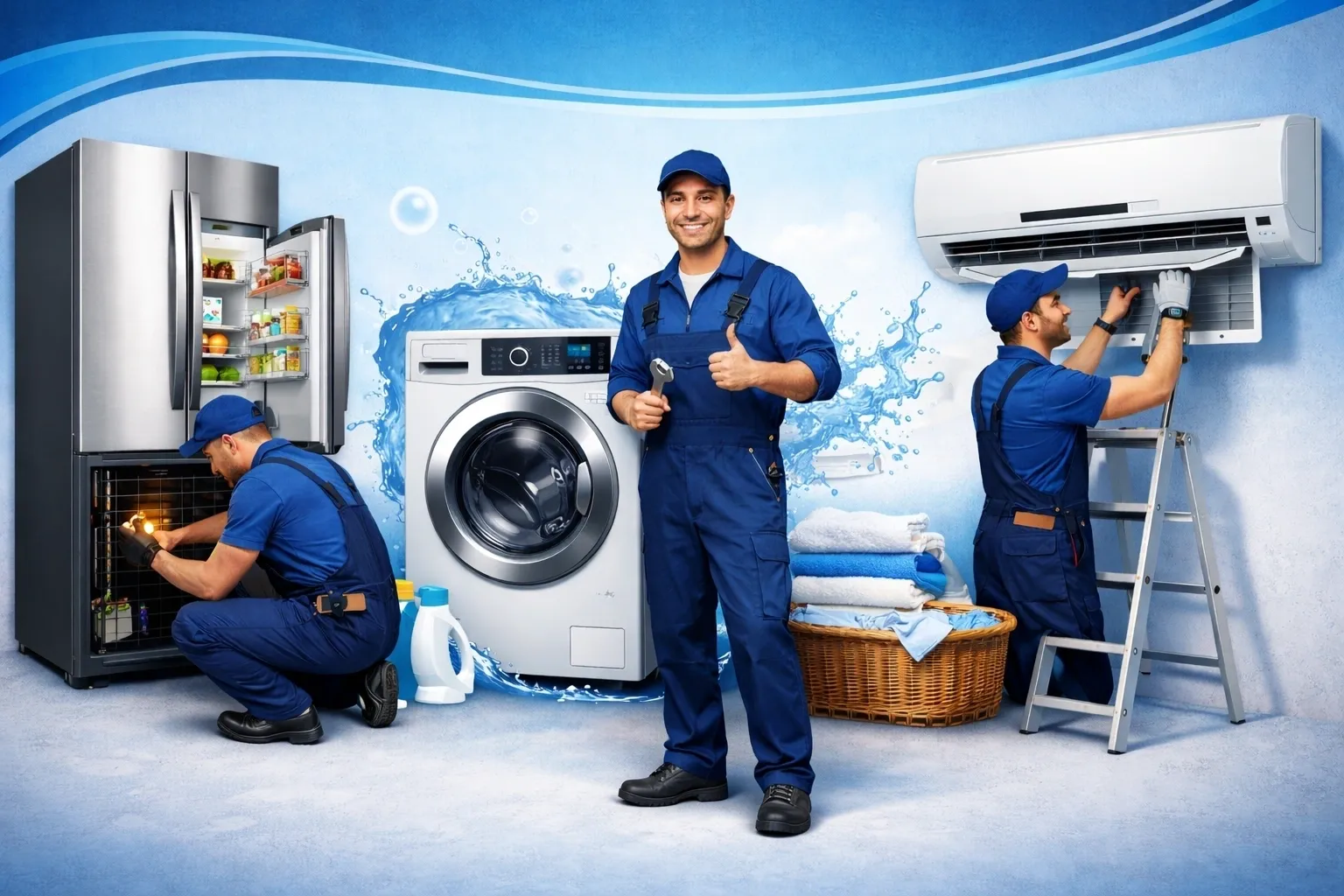
We tend to think about water quality in terms of health, which makes sense. But poor water can also be silently damaging your home. Hard water wrecks washing machines and dishwashers. Acidic water corrodes pipes. Chlorine eats away at rubber seals and shortens the life of your fixtures.
And while bottled water might seem like a quick fix, it doesn’t solve anything for your showers, your laundry, or your water heater. It’s a band-aid, not a solution.
What Happens After Testing?
Let’s say you’ve had your water tested. Now what?
This is where those water treatment experts come back into play. They’ll look at your test results and help you figure out what makes sense—whether it’s a water softener, reverse osmosis system, UV treatment, or something else entirely.
The best pros won’t push a one-size-fits-all answer. They’ll look at your specific needs, your lifestyle, and your budget—and they’ll explain things in plain English. No jargon, no nonsense. Just solid advice rooted in real data.
Prevention Is the New Peace of Mind
The biggest takeaway? Don’t wait until there’s a visible problem. Water quality issues can take months or even years to show up in obvious ways. But by then, you might be dealing with expensive appliance repairs, health symptoms, or plumbing nightmares.
Testing is the first step toward peace of mind. And peace of mind? That’s worth its weight in gold.
Final Thoughts
You don’t have to be a chemist or a DIY genius to take control of your water. Start simple. Book a free in-home water testing session. If anything feels uncertain or concerning, go the extra mile with third-party lab water testing. Then, when you’re ready, let seasoned water treatment experts help you make sense of the results.