
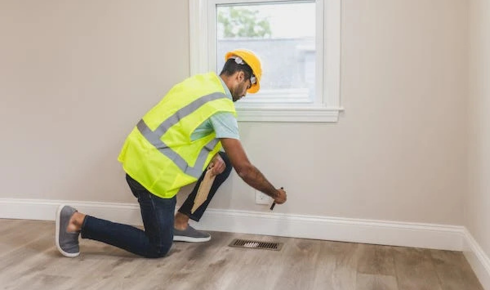
Hiring a house remodeler isn’t just about picking someone who can swing a hammer — it’s about finding a partner you can trust with your home, your money, and your peace of mind. In San Diego, where property values and renovation expectations run high, choosing the right full-service remodeler can make or break your project. That’s why this hire remodeler San Diego checklist was designed — to help homeowners like you navigate the process confidently and avoid the costly mistakes many make when rushing into a remodel.
Pre-Hire Checklist: Key Questions to Ask Remodeling Contractors in San Diego
Before you sign anything or even ask for a quote, your first step should be a smart, structured conversation with potential remodelers. Think of it as your filter — the questions you ask will quickly reveal whether a contractor is organized, trustworthy, and truly qualified to handle your San Diego home remodel. This hire remodeler San Diego checklist section is built to help you dig deeper than surface-level sales talk and uncover how each company really operates.
A full-service remodeler should be able to manage everything — design, permits, materials, and construction — under one roof. But not all “full-service” remodelers deliver on that promise. The right questions will help you spot the difference between a team that’s ready to manage your entire project smoothly and one that’s just coordinating subcontractors on the fly. Here’s what you need to ask before hiring.
Contractor Experience & Portfolio
Ask for proof of experience — not just years in business, but real project photos, client testimonials, and case studies. In San Diego, remodeling trends vary from coastal contemporary homes to Spanish-style renovations, so your remodeler should show versatility. Request before-and-after photos and ask if you can visit a recent site in progress. This transparency builds trust and helps you see their quality firsthand.
Remodeling Contractor Licensing, Insurance & Bonding in San Diego
Always verify credentials. A legitimate remodeler must hold an active California CSLB license, carry general liability insurance, and be bonded. Ask for copies and verify them directly through the CSLB website. This protects you from liability if an accident occurs and ensures the company is legally permitted to perform the work. Sheiner Construction, for instance, maintains full insurance coverage and a current license for all remodeling work in San Diego County.
Subcontractor Use & Oversight
Many remodelers rely on subcontractors for specialized tasks, but oversight is what matters. Ask: “Who supervises subcontractors on-site?” and “How do you ensure quality control?” A reliable full-service remodeler should handle daily project management and hold all subcontractors accountable for quality, timelines, and safety standards.
Timeline & Scheduling
Delays are a homeowner’s nightmare. Ask each remodeler for an estimated start date, completion date, and a breakdown of project milestones. The best contractors will use project management software or a shared calendar for progress tracking. Clarify how they handle unexpected delays due to permits or weather — professionalism shows in how they manage time, not just how they promise it.
Payment Structure & Change Remodel Orders
Payment terms reveal a lot about a company’s ethics. Never agree to large upfront payments — California law limits down payments to 10% or $1,000, whichever is less. Ask about milestone payments and how they handle change orders (price changes mid-project). A solid contractor will document every adjustment in writing before proceeding. Transparency is key to avoiding disputes.
Remodeling Warranties, Permits & Inspections in San Diego
A trustworthy remodeler takes full responsibility for obtaining permits and scheduling inspections. Ask if their work includes warranty coverage — typically one year for workmanship, but top remodelers often offer longer terms. Always ensure they pull permits under their name (not yours), as this ties accountability to the professional handling your remodel.
Remodeling Red Flags to Watch Out For in San Diego
Even the smoothest sales pitch can hide warning signs. In San Diego’s competitive remodeling market, there are plenty of contractors promising the world — and delivering a mess instead. Spotting red flags early can save you months of frustration, thousands of dollars, and endless headaches. This section of the hire remodeler San Diego checklist highlights the most common warning signs homeowners overlook until it’s too late. If a contractor shows even one of these red flags, it’s usually a sign to move on.
Too-Good-to-Be-True Low Bids Served by Contractors in San Diego
If a bid sounds unrealistically low, it probably is. Some remodeling contractors underbid just to land the job, then inflate costs later with “unexpected” add-ons or vague change orders. Compare quotes side by side and watch for line items that are suspiciously cheap or missing entirely. A fair remodeling estimate should detail labor, materials, permits, and contingency costs — transparency upfront means fewer surprises later.
No Physical Office or Local Presence in San Diego
A professional remodeler should have a verifiable San Diego business address, not just a P.O. box or a temporary office. Local presence means they understand regional building codes, maintain relationships with suppliers, and can respond quickly if issues arise.
Poor Communication or Missing Documentation with the Remodeling Contractor
If a contractor avoids direct questions, delays written estimates, or gives vague answers about contracts, that’s a major warning sign. Reliable remodelers communicate clearly, provide everything in writing, and respond promptly. Pay attention to how they handle your first few conversations — their attitude now reflects how they’ll treat you throughout the project.
Unwillingness to Provide References or Past Clients
Any reputable remodeler should have a list of past clients happy to share their experiences. If a contractor hesitates, makes excuses, or offers only one “friend” reference, that’s a red flag. Always request at least three recent references, ideally for projects similar to yours, and actually call them. Ask about punctuality, cleanliness, and communication — those small details reveal a lot.
⚠️ Red Flag Recap Infographic:
- 🚫 Unrealistically low bids → “Hidden costs” trap.
- 📍 No local address → hard to reach or hold accountable.
- 🗂️ Missing paperwork → likely unlicensed or uninsured.
- 📞 Poor communication → early sign of project delays.
- 🙅 No references → reputation issues or inexperience.
If you spot two or more of these red flags, it’s time to cross that contractor off your list. Remodeling is stressful enough — you deserve a partner who builds trust, not doubt.
What a Strong Remodeling Contract Should Include
Once you’ve chosen your house remodeler, it’s time to put everything in writing. A solid contract is more than just a formality — it’s your protection, your communication tool, and your peace of mind. Too many homeowners skip the fine print and pay for it later with delays, hidden fees, or unfinished work. This section of the hire remodeler San Diego checklist walks you through the must-have elements of a legally sound remodeling contract, using real examples and easy-to-understand explanations.
A clear, detailed contract benefits both you and the remodeler. It ensures expectations are aligned, minimizes miscommunication, and sets a professional tone from the start. If your contractor hesitates to sign a detailed agreement, that’s a red flag right there.
Scope of Work & Deliverables
Your contract should outline exactly what’s being done, who’s doing it, and what’s included in the price. This section should specify materials (brand, color, finish), labor tasks, cleanup responsibilities, and even dumpster removal. Never rely on verbal promises — every agreed detail should appear in writing. For example:
Sample Clause given by Sheiner Construction (one of the most reputable remodeling contractors in San Diego):
“Contractor will provide and install custom white shaker cabinets, quartz countertops, and ceramic backsplash as specified in Appendix A. All debris will be removed from the job site daily.”
Remodel Schedule & Milestones
Timeframes are critical. A professional remodeler should include an estimated start and completion date, as well as milestone deadlines. Make sure there’s language that protects you if the contractor causes unreasonable delays.
Sample Clause given by Sheiner Construction:
“Work shall commence on or before [Date] and be substantially completed within [x] days, barring uncontrollable delays due to weather, permitting, or unforeseen site conditions.”
Payment Terms & Holdbacks
This is where homeowners often get burned. California limits down payments to 10% or $1,000 — whichever is less. Subsequent payments should align with specific milestones (e.g., demo complete, framing done, final inspection passed). A “holdback” or final payment after completion ensures the remodeler finishes every detail before receiving full payment.
Sample Clause given by Sheiner Construction
“The final 10% of payment shall be retained by the homeowner until satisfactory completion and final inspection.”
Change Order & Dispute Resolution Clauses
Every remodel hits surprises — outdated wiring, hidden plumbing issues, or design tweaks. A strong contract explains how changes are approved, documented, and billed.
Sample Clause given by Sheiner Construction:
“All change orders must be approved in writing by the homeowner before additional work begins. Disputes will be resolved through mediation before legal action is taken.”
This simple clause can prevent thousands in unexpected costs and legal headaches.
Remodeling Insurance, Bond, Warranties & Liabilities
Ask your remodeler to attach proof of general liability and worker’s compensation insurance to your contract. The agreement should also state warranty terms — typically one year on labor, but some remodelers (like Sheiner Construction) offer extended warranties.
Sample Clause given by Sheiner Construction:
“Contractor warrants all workmanship for a period of 24 months following substantial completion, excluding manufacturer defects.”
Building Trust: Verification Checklist & Samples
When it comes to remodeling, trust is everything. You can have the best design and the biggest budget — but if you hire the wrong person, it can all go downhill fast. That’s why the final section of this hire remodeler San Diego checklist focuses on verification — checking credentials, references, and real-world reliability before you commit. Think of this as your final background check before handing over the keys (and your deposit).
License & Insurance Verification
Always start here. A professional remodeler in California must have an active CSLB license, liability insurance, and worker’s compensation coverage for employees. Here’s your mini checklist:
Contractor Verification Checklist:
- 🔹 Verify license on the California Contractors State License Board (CSLB) website.
- 🔹 Confirm business name matches the license holder.
- 🔹 Request certificate of General Liability Insurance (minimum $1M recommended).
- 🔹 Ask for Worker’s Compensation Insurance if they have employees.
- 🔹 Confirm bonding (protects against unfinished or faulty work).
Checking References & Past Projects of the Remodeling Contractor
Next, look for social proof. Ask for at least three recent clients from San Diego who had similar remodels done. Don’t just collect names — call them. Ask about punctuality, quality of communication, and how the remodeler handled any surprises. A reputable remodeling company in San Diego like, for example, Sheiner Construction, will have dozens of satisfied clients willing to share their experiences or even show you completed projects.
Bonus: search the remodeler’s Google Business Profile and Yelp listings. Consistent 5-star feedback across multiple platforms is a great trust indicator.
Sample Contract Clauses to Flag
Even strong contracts can hide weak spots. When reviewing, look for red flags like vague phrases (“to be determined”) or open-ended timelines. Instead, your agreement should use specific language, like:
Good Example: “Work will be completed within 90 days, weather permitting.”
Bad Example: “Work to be completed as soon as possible.”
Avoid contracts missing start and end dates, warranty terms, or dispute resolution clauses. If something feels unclear, ask for clarification before signing — not after issues arise.
Use it during your search, interviews, and final decision process — it’s the same checklist
CONCLUSION
Finding the right house remodeler in San Diego doesn’t have to feel overwhelming. With the right preparation — and this complete hire remodeler San Diego checklist — you’re already several steps ahead of most homeowners. A great remodeling partnership is built on transparency, communication, and trust, not just a low bid or fancy photos. When you take time to ask the right questions, spot early red flags, and review your contract carefully, you set your project up for success from the very beginning.
When you’re ready to remodel, don’t just hire anyone. Use this guide, follow your checklist, and choose a partner who treats your home like their own. Because with the right remodeler, your home isn’t just getting an upgrade — it’s getting the care, craftsmanship, and attention it truly deserves.
FAQ (Schema Section)
Q1: What’s the most important question to ask a remodeler before hiring?
Ask who will be managing your project daily and how they communicate updates. Clear project management ensures fewer delays and surprises.
Q2: How can I verify a remodeler’s license in California?
Visit the official CSLB License Lookup website. Enter the contractor’s license number to confirm it’s active and properly insured.
Q3: What should be included in a remodeling contract?
Every contract should define the scope of work, timeline, payment schedule, change order process, and warranty terms. Avoid vague language.
Q4: How many quotes should I get before hiring a remodeler?
Get at least three written estimates to compare scope, pricing, and professionalism. Be cautious of bids that are drastically lower than the others.
